US-Iran tensions: West Asia on the brink
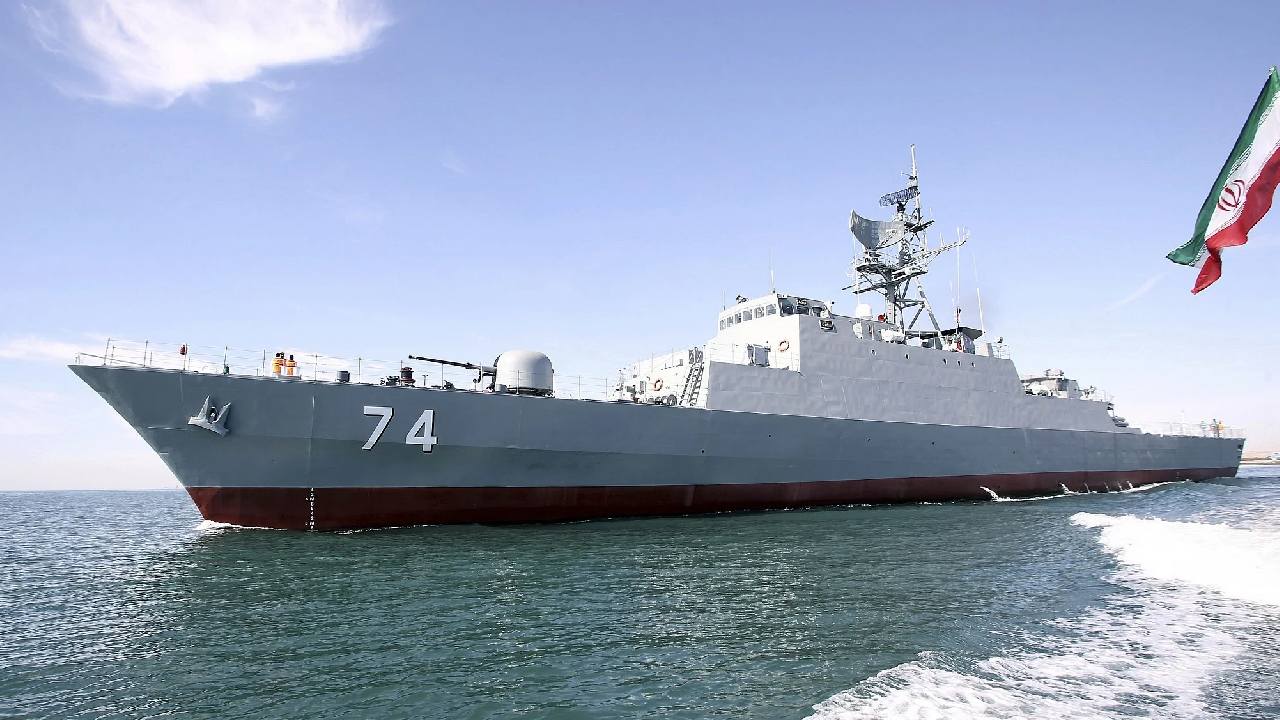
Peace cannot be kept by force; it can only be achieved by understanding, said Albert Einstein. That understanding, however, is sorely missing in the world today. The zeal to push one’s agenda through force is steadily replacing diplomacy and rapprochement — the very tools that have prevented wars and conflicts many times in the past. Indeed, if there is one region where peace stands most imperilled, it is West Asia, the world’s flashpoint, sitting — quite literally and figuratively — on inflammable oil beneath its feet. It is not an overstatement that if the Third World War were to take place, it would start somewhere in West Asia. Going by the present military build-up, war in the region can happen at any time. The latest warning by Iran’s Supreme Leader, Ayatollah Ali Khamenei, that any American attack would trigger a “regional war” is both timely and apt. Khamenei has accused Washington of trying to “devour” Iran’s oil and gas wealth. US President Donald Trump has responded by saying he still hopes for a deal — but warned that the alternative could be confrontation. At the moment, the atmosphere for talks and peace is not conducive, as troops, missiles, militias and mutual mistrust stand between regional peace. The United States has been steadily building up its military presence in the Persian Gulf, Iraq and Syria. Though this could pass as deterrence and an attempt to gain an edge in negotiations, given Iran’s defiance and the US stubbornness to teach Iran a lesson, war is not a distant possibility.
Despite earlier US attacks on Iran’s nuclear installations, Iran’s nuclear programme is still very much alive and it can still assemble nuclear bombs. Iran controls the northern coast and many strategic islands within the Strait of Hormuz, including Hormuz, Qeshm and Larak. Besides, it relies on regional proxies to retaliate, making any war a regional one, as Iran’s Supreme Leader has warned. Iran right now is reeling under crippling sanctions, economic collapse and massive domestic protests, and for it this is a do-or-die situation, which makes the situation so volatile, as a cornered Iran is far more dangerous. Khamenei is trying to rally nationalist and revolutionary sentiment around a besieged regime. Now the million-dollar question is whether the US would actually attack Iran. A full-scale invasion is unlikely. The costs — in lives, money and regional instability — would be enormous. But limited strikes are very much on the cards — against nuclear facilities, missile bases, or the Islamic Revolutionary Guard Corps (IRGC) and its networks.
Such action would weaken Iran without full-scale involvement of the US or Israel. Yet even limited strikes could spiral into a fullfledged war. While the US would like to keep the conflict local, Iran would like to make it regional by involving Israel to garner support from other Arab nations. Besides, Tehran has nurtured and prepared armed groups across Iraq, Syria, Lebanon, Yemen and Gaza that would be difficult to deal with. For now, West Asia stands at a crossroads — one path leading to another catastrophic conflict, the other to a fragile but necessary rapprochement. The world can only hope that reason prevails and both parties choose peace over confrontation.