US-India ties: The done deal
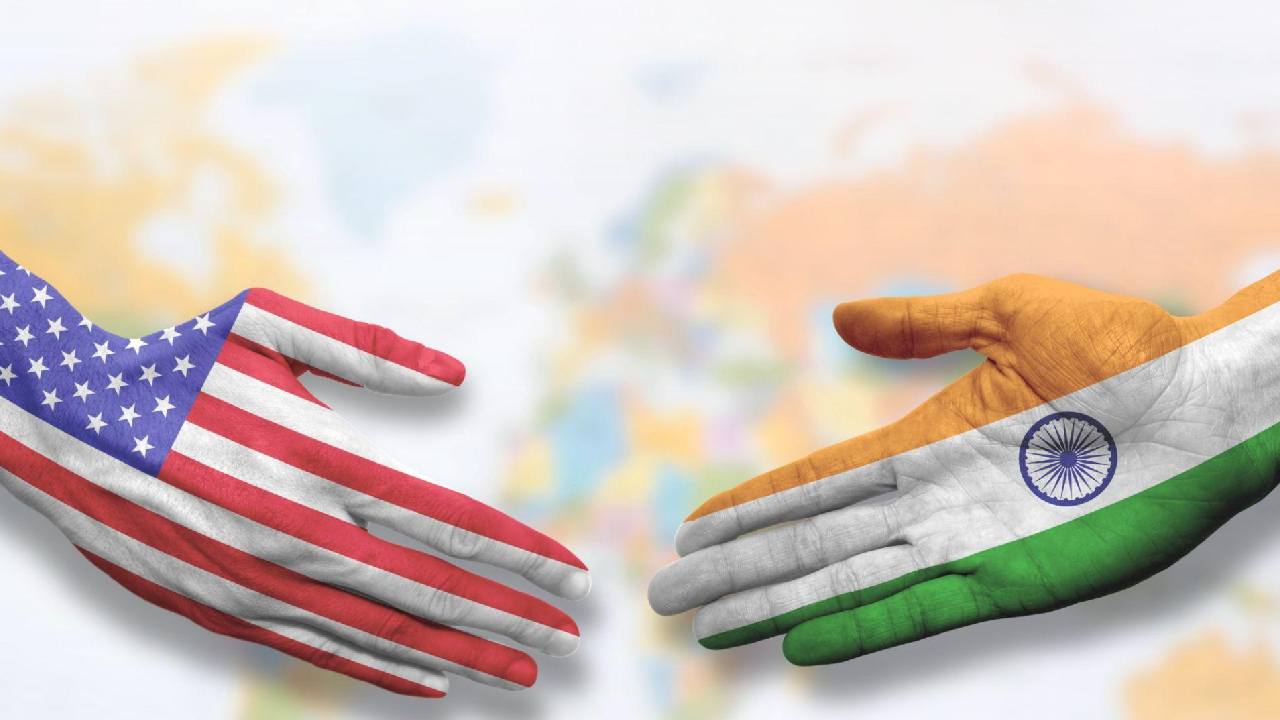
On the heels of the Indo-EU trade pact comes more good news — and a sigh of relief for the Indian economy — the Indo-US trade deal. Though the deal is yet to be formalised, the pathways are drawn, which are fairly balanced for both nations. Indeed, India needed it more than the US, but after a year of Trump’s tough talk, the US has yielded concessions which are well deserved. It is also important from a geopolitical standpoint, as had the deal not been concluded, it would have altered the politics of the region: the US would have lost an important ally against China, and India would have lost a lever it needs to deal with China. The timing of the deal is also interesting, as it comes days after a significant Indo-EU trade pact that almost offset US importance in Europe and India. Realising this, the US made a quick decision rather than dragging it any further.
The deal, as mentioned, is fairly balanced, though India has partially yielded on its stand on opening the agriculture sector to the US market and committed to purchasing around $100 billion worth of American goods every year for the next five years, covering aircraft, advanced technologies, precious gems and metals, nuclear-related products, and agricultural commodities. The United States would remove several punitive tariffs imposed on Indian exports, restoring stability and predictability to bilateral trade. While India has protected core interests by keeping genetically modified crops, maize and soya meal outside the deal, it has agreed to quota-based access for products such as cotton and pulses, ensuring limited opening to safeguard Indian farmers.
India had to seal the deal, as otherwise it would have suffered a severe blow to its economy and lost investor confidence, and that too at a time when it is striving to become a manufacturing and export hub. The second strong reason for the agreement was the balance of power in South Asia. India seeks a multipolar Asia not dominated by China, and the US is an effective counterbalance. The deal shows India’s diplomatic maturity. Despite President Donald Trump’s tough and transactional posture, India did not capitulate or retaliate. Instead, it chose quiet, persistent engagement. And finally, it happened, though not without considerable anxiety and disruption in otherwise smooth Indo-US ties.
The deal’s economic impact will span multiple sectors. Civil aviation and high-end manufacturing gain from US equipment, while deeper cooperation in semiconductors, artificial intelligence, defence electronics and nuclear-linked systems strengthens India’s push into advanced technologies. The gems and jewellery sector benefits from smoother trade flows. In agriculture, the approach is more balanced, protecting sensitive staples while allowing limited imports of cotton and pulses to support both farmers and related industries.
Strategically, the spillovers are significant. Rising energy purchases from the US diversify India’s dependence, while the agreement brings India closer to the West. Overall, the deal signals a convergence of interests across security, technology, energy and Asia’s balance of power.