Universities in Delhi key to India’s semiconductor talent push
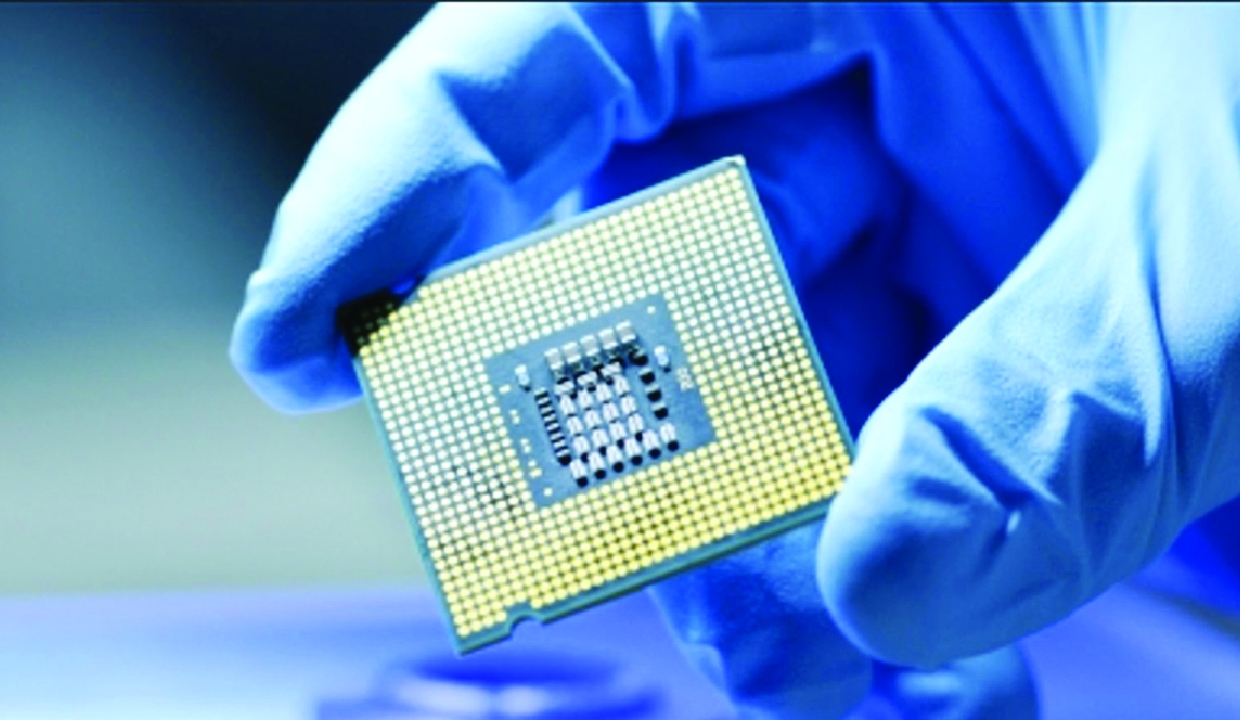
Several leading universities in Delhi are playing a key role in supporting India’s growing semiconductor ecosystem, the Government said on Saturday. Union Minister for Electronics and IT Ashwini Vaishnaw said India has made significant progress in its efforts to build semiconductor talent under the India Semiconductor Mission. The initiative includes training, upskilling, and workforce development through the Chips to Startups Programme, which aims to develop skilled engineers in semiconductor design.
Vaishnaw said that in the past four years, India has moved steadily toward its ten-year target of training 85,000 engineers in semiconductor design. The programme is also expected to generate major employment opportunities as the global semiconductor industry expands rapidly.
Several prominent institutions in the National Capital Region are contributing to this national effort. These institutions are training students in semiconductor chip design, testing and validation, helping build the country’s talent pipeline.
Key institutions involved in the programme include the Indian Institute of Technology Delhi, the National Institute of Technology Delhi, the Indraprastha Institute of Information Technology Delhi, the Delhi Technological University, the Netaji Subhas University of Technology, the Jawaharlal Nehru University, the Indira Gandhi Delhi Technical University for Women, and the Vivekananda Institute of Professional Studies.
Another organisation involved in supporting innovation under the programme is DV2JS Innovation LLP, which is also based in Delhi. Students at these institutions are already designing semiconductor chips using advanced EDA tools and training infrastructure. Officials say these efforts are helping India develop a strong base of semiconductor engineers and innovators.
According to the minister, India is preparing for a surge in jobs in the sector. As the global semiconductor market is projected to reach about 2 trillion dollars in value, nearly two million skilled professionals will be required worldwide. This demand is expected to create significant job opportunities for Indian engineers.
A major part of this effort involves giving students access to advanced design tools used in the semiconductor industry. World-class Electronic Design Automation tools have been made available to students in 315 academic institutions across the country. These tools are supported by major global technology companies, including Synopsys, Cadence Design Systems, Siemens, Renesas Electronics, Ansys, and AMD.
With the help of these tools, engineering students are able to gain hands-on experience in designing semiconductor chips. These student-designed chips are then fabricated and tested at the Semiconductor Laboratory, Mohali, allowing them to understand the entire process from chip design to fabrication, packaging, and testing.
Officials said the initiative has evolved into the world’s largest open-access Electronic Design Automation programme. So far, more than 1.85 crore hours of EDA tool usage have been recorded by students and researchers across the country for chip design training.
Vaishnaw also highlighted that students from universities across India are participating in semiconductor design work. Institutions from regions stretching from Assam to Gujarat and from Kashmir to Kanyakumari are part of the programme.
Under the next phase of the initiative, the programme will be expanded significantly. The Government plans to increase the number of participating universities from 315 to 500 under the Semicon 2.0 initiative, strengthening India’s base of skilled semiconductor engineers.
The Government said the broader goal of the Semicon 2.0 initiative is to promote semiconductor design, manufacturing, and innovation in India. By strengthening talent development and research infrastructure, the country aims to emerge as a global hub for semiconductor technology and manufacturing in the coming years.