Govt to introduce smart cards, cess portal to benefit construction workers
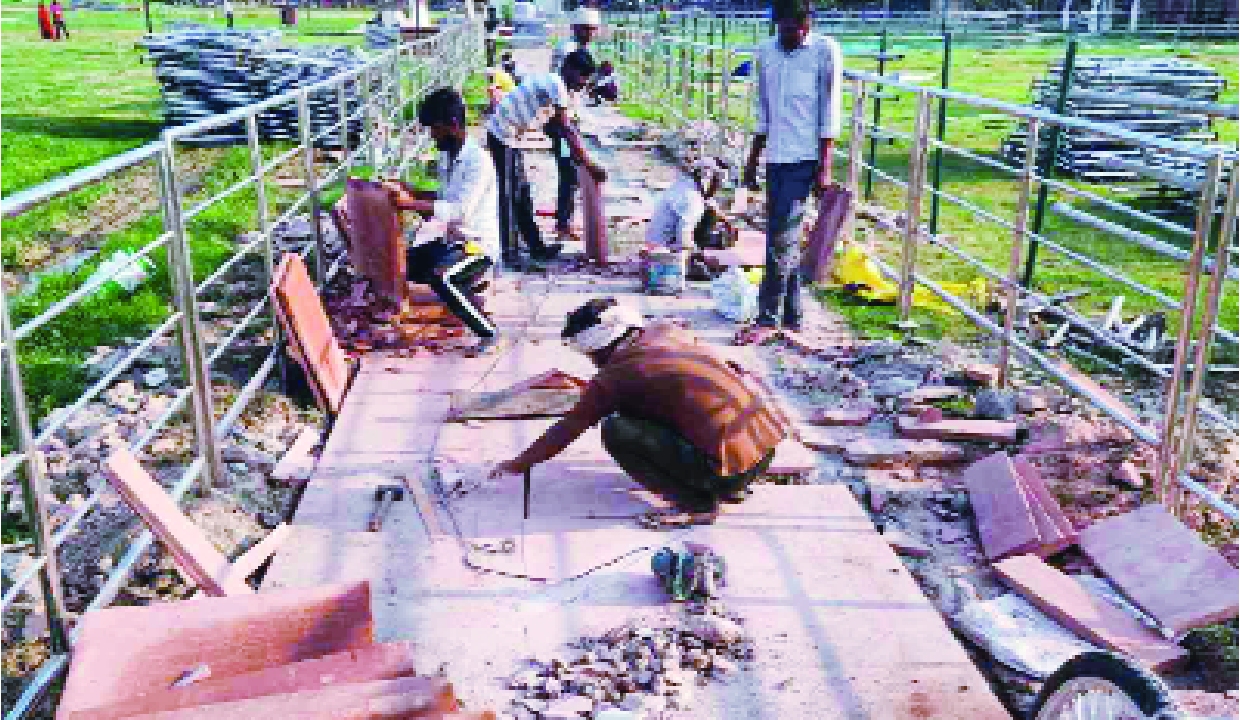
The Delhi Government will streamline registration of construction workers and delivery of welfare schemes for them by providing them with a chip-enabled smart card, officials said on Thursday.
They will also build a dedicated portal to enhance cess collection from builders and construction firms. This fund is used to run various welfare schemes for construction workers.
The Delhi Building and Other Construction Workers’ Welfare Board (DBOCWWB) has begun the process of engaging an agency to design, implement and operate the integrated digital platform, they said.
This digital platform will comprise the cess management portal and a network of Karmik Sewa Kendras and Labour Chowks, and also introduce chip-based smart cards to beneficiary workers, said a senior Delhi government officer. The smart cards, embedded with encrypted data, will be issued to all registered construction workers and will be renewed annually, he said.
The initiative will benefit migrant labourers, particularly those who often move across districts and states in search of work, by ensuring uninterrupted access to welfare schemes without repeated registration, he added.
Officials said the smart card will act as a single, secure identity for the registered workers. It will link their registration number and benefits received by them, thus removing duplication and preventing ineligible persons from receiving benefits of the DBOCWWB schemes.
The proposed cess management portal will digitise the collection of surcharge from builders and track its journey from assessment to payment, ensuring transparency and improved planning, they said.
Builders and construction firms pay 1 per cent of any construction work as cess to the Board, a fund it uses to run various welfare schemes for the registered workers.
According to the DBOCWWB dashboard, there are around 2.62 lakh active registered construction workers in Delhi, while the Board has received 19 lakh registration applications.
By preventing multiple registrations and filtering out ineligible applicants, the system aims to plug leakages and enhance accountability. It is designed to cover nearly 30 lakh people, with a focus on vulnerable groups such as unregistered and migrant workers, officials said.