Government to replace 96,000 street lights with smart LEDs
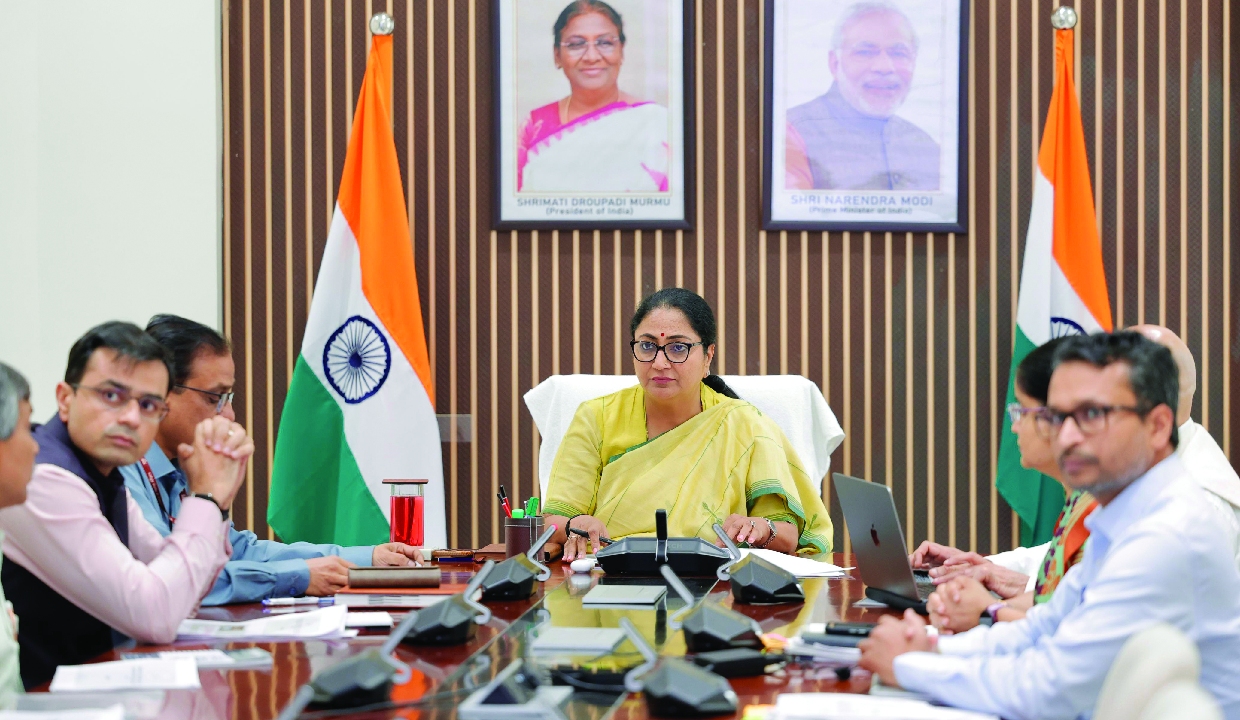
The Delhi Government has approved a major Rs 473 crore project to replace nearly 96,000 street lights across the capital with smart LED lighting systems, aiming to improve road safety, eliminate dark spots, and reduce electricity consumption. The decision was taken during a meeting of the Expenditure Finance Committee, chaired by Chief Minister Rekha Gupta, on May 20.
The project will cover roads maintained by the Public Works Department and is expected to be completed before Diwali. Officials said the plan includes replacing old High-Pressure Sodium Vapour lights and outdated LED fixtures with advanced smart LED systems equipped with real-time monitoring technology.
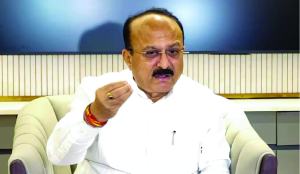
Chief Minister said the project would significantly improve lighting conditions on Delhi’s roads and strengthen public safety, especially for women. She said the current lighting system suffers from several shortcomings, including delayed repairs, uneven illumination, and high electricity usage.
“The goal is to remove dark spots from roads and provide Delhi with a modern, secure, and energy-efficient lighting network,” the Chief Minister said during the meeting.
PWD Minister Parvesh Sahib Singh and senior officials from multiple departments attended the meeting where the proposal was cleared. The initiative was first announced in the Delhi government’s 2026-27 Budget.
According to officials, Delhi currently has around 45,000 conventional HPSV street lights and nearly 51,000 older LED lights installed on PWD roads. The network also includes more than 51,000 poles. Under the new project, all existing fixtures will be replaced with smart LED lights.
The Government will also install 5,000 additional poles to improve lighting in uncovered and poorly lit stretches.
One of the key features of the project is the establishment of a centralised Command and Control Centre that will monitor every street light in real time. The system will immediately detect faults and allow remote operation of lights.
Officials said the smart system would also allow lighting intensity to be adjusted according to requirements. The brightness can reportedly be increased or reduced by up to 90 per cent, helping improve energy efficiency and operational control.
Government officials believe the project will help address complaints related to faulty street lights, which often remained unresolved for long periods under the existing system because authorities relied mainly on public complaints to identify breakdowns.
The Chief Minister said the modern lighting system would improve visibility on roads and contribute to reducing accidents. She added that better-lit roads would also improve women’s safety in several areas of the city where dark stretches remain a concern.
The government estimates that the project will lead to major savings in electricity costs. Once fully implemented, the smart LED network is expected to save nearly Rs 25 crore annually in power expenses. Officials said the savings over the next five years would be substantial compared to the current lighting arrangement, which consumes more electricity and requires higher maintenance. The project is also expected to reduce light pollution by introducing standardised fixtures and advanced lighting controls across the city.
During the meeting, PWD Minister Parvesh Sahib Singh suggested that the project should be given a special name due to its scale and importance. The proposal was accepted by the Chief Minister, though the name has not yet been announced.