UCIL chief denies link between Jharkhand uranium mining and reported health problems
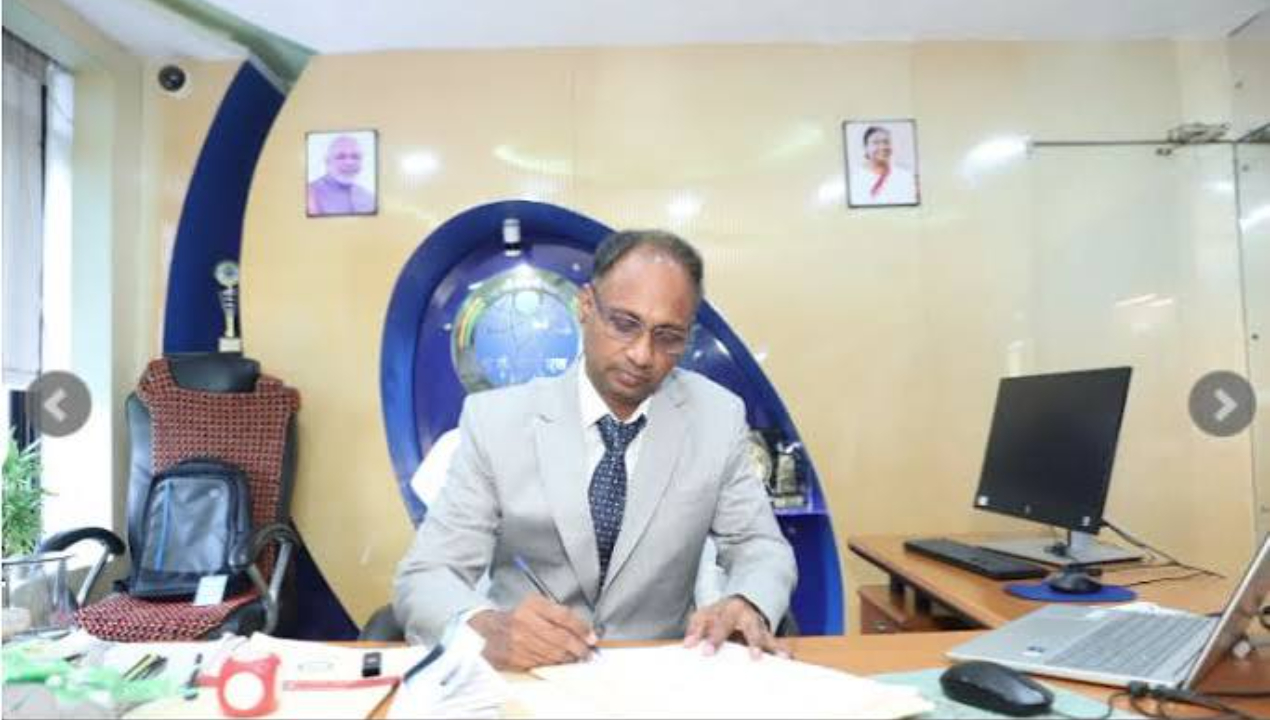
Uranium Corporation of India Limited (UCIL) CMD Kacham Anand Rao has rejected allegations that uranium mining and processing operations in Jharkhand’s Singhbhum region are responsible for illnesses including skin diseases, cancer and congenital deformities.
Speaking at Jadugora, Rao said the uranium ore mined in the region is of very low grade, with only about 200-300 grams of uranium extracted from a tonne of ore. He claimed that several scientific studies had found no link between UCIL operations and the diseases reported in surrounding areas, attributing such health problems instead to local conditions.
Rao said the radiation levels around the mining operations were lower than those found on some sea beaches and claimed that processed uranium tailings had radioactivity below prescribed limits. He also cited UCIL residential colonies located near mines and mills as examples of communities that, according to him, had not experienced significant health impacts over several decades.
However, local groups and social activists have for years alleged that radiation and waste from uranium mines and mills have contributed to health problems, including cancer, tuberculosis and congenital abnormalities in nearby communities.
Rao said UCIL plans to commission a fresh study into the health impact of its operations, noting that previous studies were conducted around seven to eight years ago. He acknowledged that finding an organisation with the necessary expertise to conduct such research remains a challenge.
UCIL currently operates seven uranium mines in Jharkhand — six underground mines at Bagjata, Jaduguda, Bhatin, Narwapahar, Turamdih and Mohuldih, along with the open-pit Banduhurang mine.
The Jadugora underground mine, India’s first uranium mine, began operations in 1964, while the ore processing plant started functioning in 1968.
Dr N K Setty, who heads the health physics unit of a BARC environmental survey laboratory, said studies had indicated that radiological conditions in the mines were safe and that occupational radiation exposure remained below the annual limit of 20 millisieverts. He also described the environmental impact of six decades of mining as insignificant.
UCIL employees interviewed by PTI, including workers with two decades or more of service, also said they had not experienced radiation-related or occupational illnesses. These accounts, however, represent individual experiences and do not by themselves establish the broader health impact of uranium mining.
with inputs from PTI