Trust, responsibility, and the spirit of the Republic
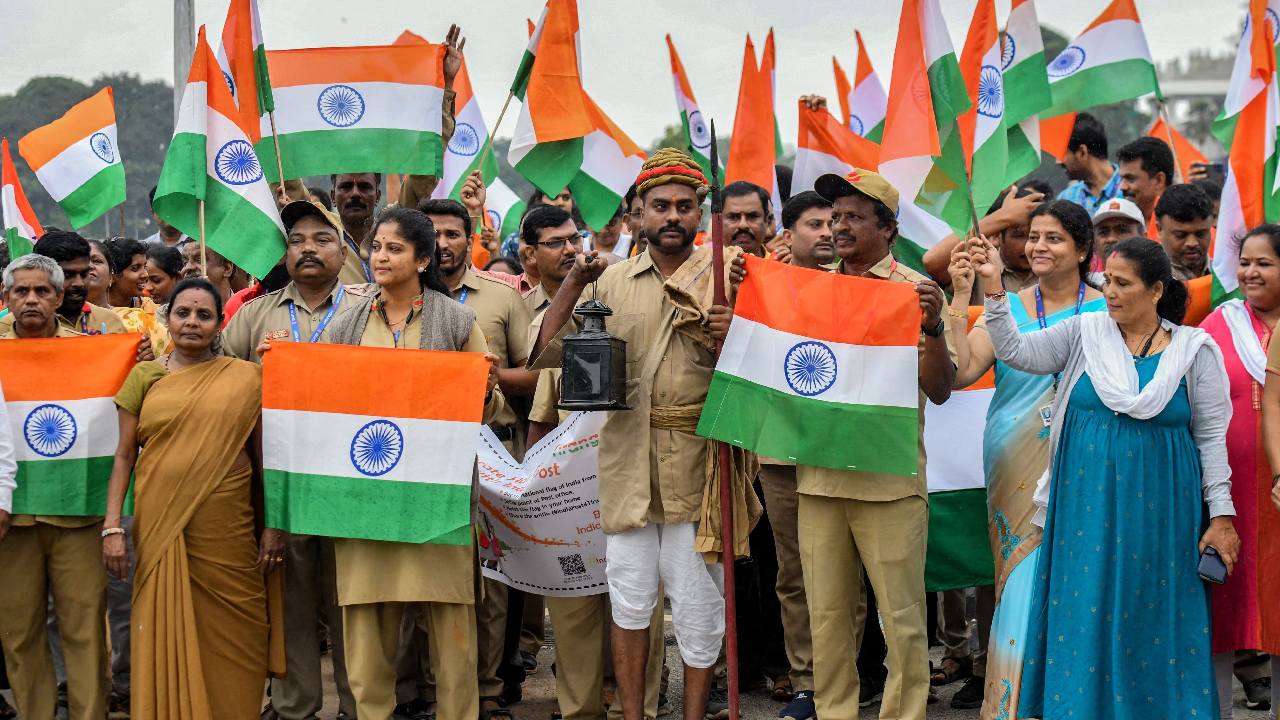
Republic Day is celebrated with a joy unparalleled by any other festival, except Independence Day. Both dates are landmarks for a relatively young independent country. Our condominium complex also celebrates the date. This year was no different, until one of the senior-most functionaries of the society chose to deliver an address that contained certain promises about the common area land use as if he owned the property, much like the pre-independence zamindars. What disturbed me was not the speech itself, but the ease with which authority was confused with ownership — an irony made sharper by the fact that this was being said on Republic Day.
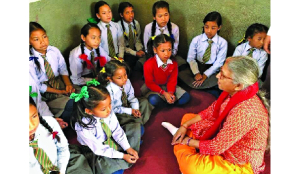
That episode compelled me to reflect on what I had always understood by the idea of ownership. I had been a working professional in the government for the better part of my life and then in the private sector. I was brought up to own whatever I was doing as a personal mission. I, like many others from my generation, often bemoaned that the younger generation did not seem to own their work. They simply took it as employment for salary, and nothing beyond that. As I grew older, I could understand that what I thought of as ownership was to own the abstract concepts of my responsibility, my actions, and my commitments. This was something beyond physical possession of property, yet much more important, at least to me. Attachment to the tangible need not be seen as a fault. There is a form of ownership that has nothing to do with authority or possession, but everything to do with belonging. I closely observed the little children who enrolled in the pre-school that my daughter operated for more than a decade. Children as young as a couple of years would enter the premises timidly. Within a few months, they would be running around with abandon. They would own the place, and in turn would feel a sense of belonging and love. I hope they understand the clear distinction between owning something within themselves and possession of assets that are not theirs to promise. That distinction is one we seem to forget too easily as adults.
As a society, we have gone through several injustices and inequalities across the centuries. We created laws that discriminated based on gender, caste, and religion. The upper classes always had an edge which was not easy to cross. Independence altered the holders of power, but not always the attitude with which power was exercised.
I remember a senior colleague who always insisted upon a retinue of staff being available at the railway station to receive him. One staff member was expected to carry his briefcase. I felt embarrassed if I was ever received with such pomp and show. He tried to mentor me that such a show was essential to maintain a semblance of respect for the position that one held. It struck me then that when respect for an office demands such performance, it is no longer respect for the institution but indulgence of the individual. Left unchecked, such habits turn positions of trust into private domains.
The silver lining is the Constitution and the promises enshrined in it — clear reminders that in a republic, no individual truly owns power, land, or authority. These are held in trust, bounded by law, and answerable to the people. Remembering this difference may be the quiet discipline that keeps us from becoming what we once struggled to overthrow.
The writer a founder of Kala - Krazy About Literature and Arts, is an author, speaker, coach, arbitrator, and strategy consultant; views are personal