The vanishing ‘We’ in today’s modern workplace
“Team spirit.” “Unity.” “Together we rise.” We grew up hearing these words in school assemblies and playgrounds. We were taught that victories are sweeter when shared and that strength multiplies when people stand together. Then we stepped into the workplace — and somewhere along the way, the meaning shifted.
Today, collaboration often feels like quiet competition. Every individual is guarding their visibility. Every success is framed as a personal achievement. The idea of “we” is slowly dissolving into “me.” And caught in the middle of this shift is the millennial generation.
We were raised in a world that valued hierarchy, loyalty, and patience. We were told to stay committed, earn credibility slowly, and grow within organisations. But we now work in an ecosystem that rewards speed, disruption, and rapid adaptability. On one side stand seasoned leaders who built their careers through endurance. On the other, Gen Z professionals — confident, digitally native, and unafraid to question structures. Neither side is wrong. Yet, the friction is undeniable.
Increasingly, professionals in their late 30s and early 40s find themselves quietly displaced. Younger hires are faster with new tools, more flexible with change, and often more cost-efficient. Experience is being measured against agility. Depth against digital fluency. The real question is not why companies hire younger talent. That is strategic. The question is why we are replacing instead of integrating.
When experience is dismissed as outdated and enthusiasm is seen as impulsive, team spirit erodes. Knowledge becomes guarded. Mentorship feels threatening. And collaboration weakens. The greatest casualty is institutional wisdom.
A strong workplace does not choose between generations — it blends them. The experienced professional brings perspective shaped by market cycles and crises survived. The younger employee brings innovation, energy, and technological ease. Stability and momentum are not opposites; they are complements.
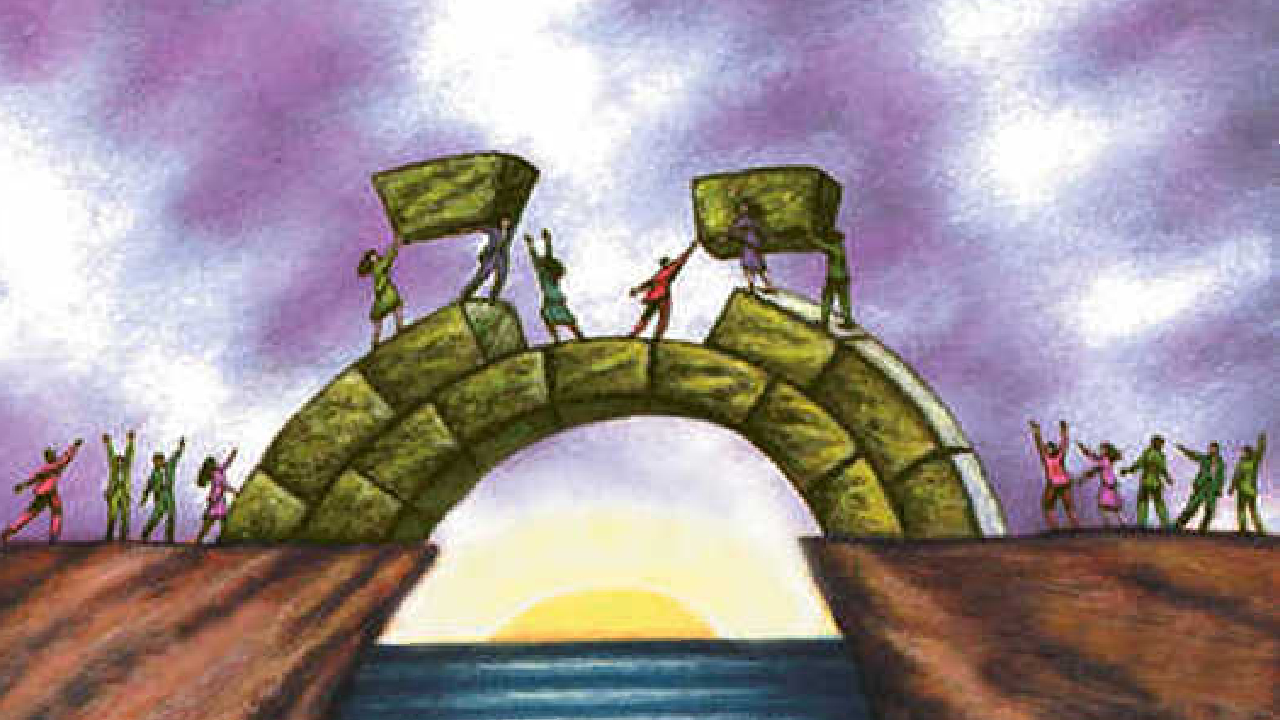
Yet many organisations unknowingly create silos. Millennials often carry the burden of accountability without authority — expected to mentor, execute, adapt, and prove their relevance simultaneously. They become the bridge that no one notices until it begins to crack.
So how do we rebuild team spirit? First, move from replacement thinking to integration thinking. Structured mentorship — including reverse mentoring — allows wisdom and innovation to coexist. Second, redefine recognition. Reward collaborative milestones, not just individual heroics. Culture follows what leadership celebrates. Third, build psychological safety. True unity cannot grow in environments driven by silent competition or fear. It grows where dialogue is open and credit is shared.
Team spirit is not a slogan printed on office walls. It is visible in everyday behaviour - in shared victories, in constructive disagreements, and in leaders who value contribution over age. The millennial generation does not seek sympathy. It seeks inclusion.Because if the bridge collapses, the two shores may stand strong — but they will never truly connect.
The writer is a freelance journalist who writes on development and socio-economic issues; views are personal