The Humble Daal, the Mighty Impact: World Pulses Day
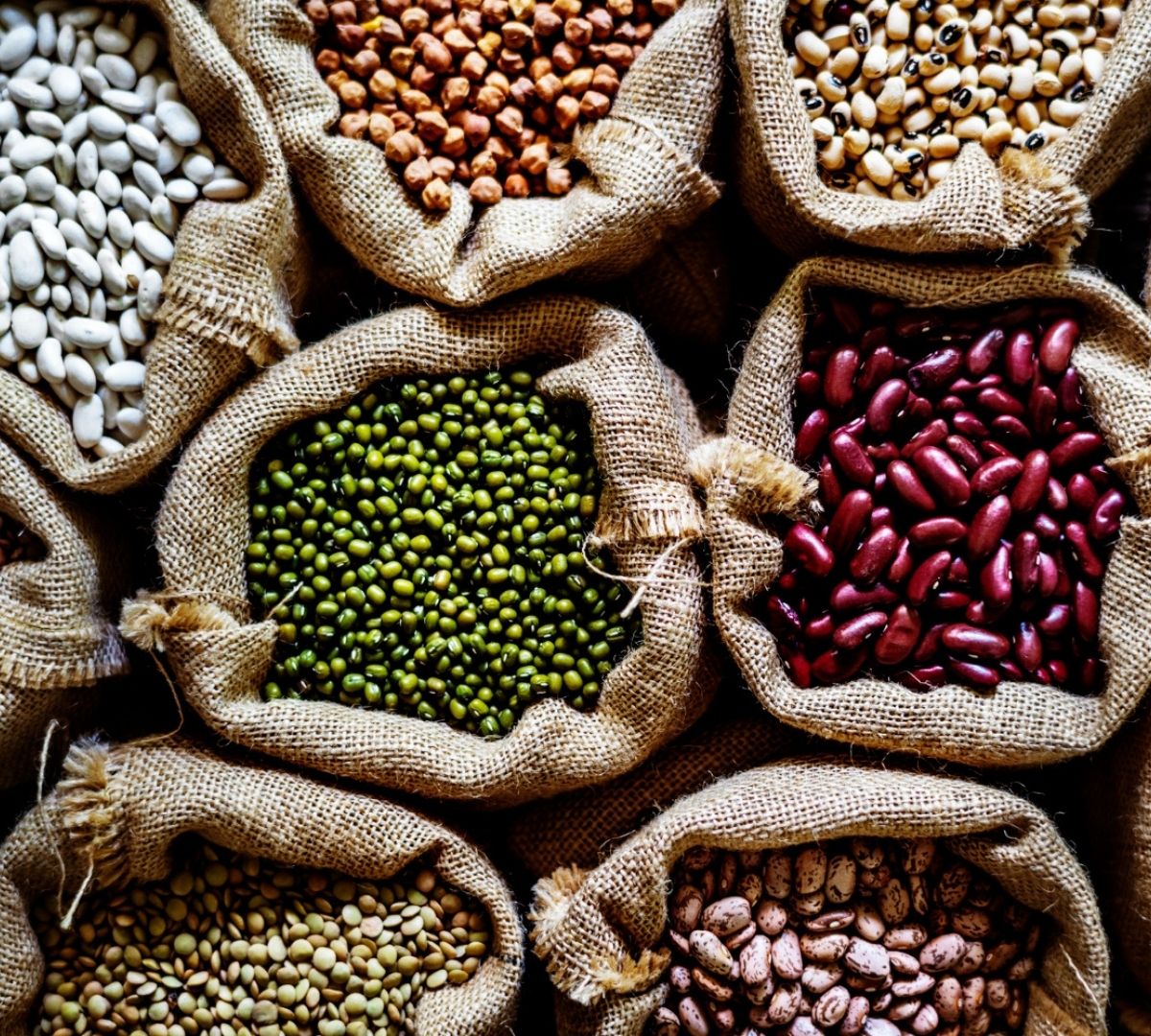
PULSES! Nature’s little soldiers, they are BFFs of the planet and the tiny bacteria in our gut, and no one recognizes the importance of pulses more than India, which is the world's largest producer (25-26% of global production), consumer, and importer of pulses. Between 2014 and 2023, the Indian Council of Agricultural Research (ICAR) recognized 343 high-yielding varieties and hybrids of pulses for commercial cultivation. An impressive feat that echoes — nobody does plant-based diets better than India!
World Pulses Day, celebrated on 10th February, serves as a gentle reminder of the indispensable impact of Pulses on our bodies and planet.
Pillars of Indian cuisine & the body
Green Moong, Chole, Chana, Moth, Rajma, Masoor, Lobiya, Urad, Toor etc are the backbone of Indian cooking and are also an excellent source of protein. They have the highest amount of soluble dietary fiber that binds with excess cholesterol, triglycerides and bile acids in the gut and eliminates them from the body, lowering bad cholesterol, improving lipid profile and reducing the risk of heart disease. It also binds with excess estrogen in the body, stress hormones, and hormonal waste in the intestines and prevents reabsorption into the bloodstream, helping to improve symptoms of PCOS, irregular periods, and estrogen dominance.
The gut bacteria love beans, legumes and pulses as the fiber present in them is rich in resistant starches and fermentable fiber, serving as fodder for the bacteria, promoting regular bowel movements, lowering the risk of digestive disorders like constipation, diverticulosis, irritable bowel syndrome (IBS) and supporting a healthy digestive system overall. Simply put, if these tiny little microbes in your stomach are happy, your digestion, immunity, hormones, skin, hair, mood — everything is happy!
Pulses are also a good source of antioxidants, reducing inflammation and the risk of cancer, while being rich in fiber it helps keeping blood sugar levels stable, making them an excellent choice for diabetics. Packed with minerals, such as Magnesium, Iron, Potassium, Zinc, Phosphorus, and Calcium, when paired with cereal or grain, pulses offer a complete amino acid profile, making them a great source of protein and a great addition to our daily diet.
Climate & farmer’s hero
Apart from their health benefits, Pulses are incredible for the soil. Being environmentally friendly and ‘climate smart’ helps in reducing the emission of greenhouse gases and leaving behind a smaller carbon footprint.
Through a symbiotic relationship with bacteria in the soil, pulses convert up to 300kg of atmospheric nitrogen per hectare into a form usable by plants, acting as a natural fertilizer for themselves and future crops. This reduces the usage of chemical fertilizers, also strengthens the surrounding crops and makes them more resilient to pest attacks. They add significant organic matter through fallen leaves and root biomass, which improves soil quality, soil structure and boosts water retention. Pulses increase the amount and diversity of soil microbes, including beneficial fungi and bacteria that protect against pathogens and reduce diseases in plants. Including pulses in crop rotations increases the soil's capacity to sequester carbon, transforming agricultural land into carbon sinks rather than sources.
Additionally, pulses are water-efficient, requiring less irrigation and providing high yields even in drought-prone, dry conditions. Data suggests that producing 1 kg of lentils requires ~1,250 liters of water, compared to ~13,000 liters for beef, a significant contrast. Producing 1 kg of protein from pulses requires far less energy and water than producing 1 kg of protein from meat. When used as animal feed, pulses can improve the protein content, which can enhance the feed conversion ratio and reduce methane emissions, making them champions of sustainable agriculture.
World embraces
The world is catching up on Pulses, with countries actively advocating for a plant-based diet. In 2019, the Canadian Food Guide removed the meat and dairy category, replacing it with a "protein foods" category that encourages consuming plant-based sources (pulses, legumes, tofu) more often. Nordic countries like Finland & Norway updated their guidelines and recommended a shift from meat to plant-based sources like pulses, lentils, and legumes, with Norway endorsing a 30% reduction in red meat consumption and Austria introducing a "plate model" that favors plant-based protein, and providing a dedicated category for pulses in 2024 for health and environmental reasons.
Reclaiming the Pulse Heritage
Ironically, with the world finally catching up to the age-old wisdom of the humble daal. Sustainable and climate-smart has been an integral part of the Indian civilization for thousands of years but unfortunately, we are forgetting our beloved pulses, and their consumption is declining. This impacts wide local varieties that risk becoming extinct unless we bring our attention back to them. Pulses are the primary pillar of nutrition, and given their versatility, they can be easily incorporated in the form of paratha, subzi, daal, idli, dosa, salads, cheela, halwa, pakoda, sweets, namkeen and many other delicious delicacies. The future of food is rooted in our rich past. Pulses are not just an option — they are the way forward for our health, our farmers, and our planet.
by: Himali Sharmila
Clinical Dietitian & Garbh Sanskar Trainer
Instagram :@pathyaahar
Website :www.pathyaahar.com