The heart is priceless yet increasingly unaffordable
The heart is an amazing organ in the human body. It would probably not be an exaggeration to say that the heart has no match — both physically and metaphorically. It has always been considered precious, to be treated with the utmost care and reverence. It is not something to be casually given away.
Yet, in the flush of youth, and for a few even later in life, hearts are exchanged at the fluttering of eyelids - often with unforeseen and disastrous consequences. Lovers pine for their beloved because they chose to give it on a whim. Poets grow lyrical and reflective when they talk about the heart. The heart is at the centre of everything that may go right in someone’s life, and go wrong without warning. It breaks at the hint of a disagreement. It heals itself as the two reconcile their differences. The heart is fragile, yet resilient; it bears the weight of joy and sorrow alike, often silently enduring trials that the mind cannot comprehend.
The life of a heart is not always easy. Wars have been fought, princesses kidnapped, emperors and queens have pronounced death sentences to gain the heart of someone who had already lost theirs to another. Wordsmiths have made a fortune writing dramas around the heart across cultures and centuries. Romeo and Juliet, Laila Majnu, Shirin Farhad, Sohni Mahiwal are only a few unfortunates who had the good fortune of being immortalised by playwrights or storytellers. There are many stories around us where the hand did not tremble or the heart did not quail at the thought of striking down a sister, a daughter, or another’s son only because they dared to lose their hearts against rigid social norms and unforgiving traditions. The heart continues to inspire passion, rebellion, and courage, silently witnessing human triumphs and tragedies that may never be recorded in books.
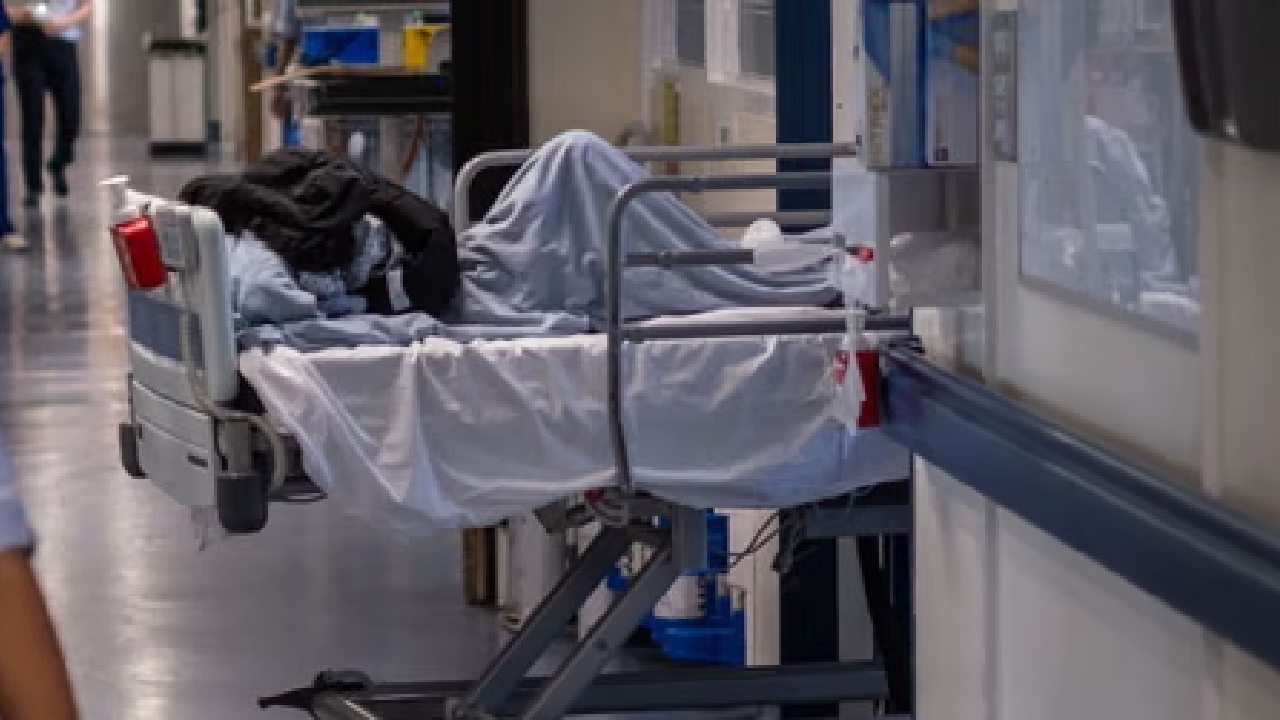
As society evolves and civilisation advances through technology, the human heart has been reduced to an expensive accessory in modern healthcare systems. I discovered this recently as my nonagenarian father suffered a sudden cardiac event at the hospital. The doctors advised him to have an upgraded device connected to his heart to regulate the pumping of blood. Even the government-approved amount - half the actual cost - would remain beyond the reach of probably 95% of our population. It struck me then that despite technical advances in medical sciences and the improved longevity they bring, the majority of us remain unable to access even basic interventions for our own hearts. According to national health estimates, nearly 60% of healthcare expenditure in India is still borne out-of-pocket by individuals, pushing millions into financial distress each year. For many families, a medical emergency is not merely a health crisis but an economic catastrophe. The heart may be priceless in poetry, but in reality it comes with a price few can sustain.
Watching my father’s heart steady on the monitor, I realised how miraculous yet vulnerable it remains - both as an organ and as a symbol of life, love, and resilience in fragile human existence. Perhaps the greatest lesson is that the heart, in every sense, deserves our care, respect, and attention — not only when it can be repaired, but always. It is our responsibility to keep our bodies fit, live with discipline and awareness, and not take health for granted. Yet, individual effort alone is not enough.A heart may be priceless in metaphor, but it must never become unaffordable in reality.
The writer is a founder of Kala - Krazy About Literature And Arts, is an author, speaker, coach, arbitrator, and strategy consultant; views are personal
Leave a Comment
Comments (1)
Thought provoking! This highlights not only the importance of physical heart health, but also the urgent need to preserve compassion and empathy in an increasingly ruthless world.