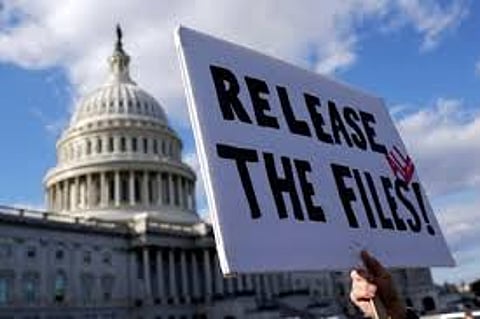

As the Pandora’s box called the Epstein files tumbles out of the closet, many high and mighty in the US and, for that matter, across the world are getting goosebumps. The serial offender Jeffrey Epstein may have long gone, but he still haunts the people he courted and the ones who used him for their shameless acts. The partial release of the Jeffrey Epstein files has triggered a political and moral storm in the United States, and beyond. Long after Epstein’s death in a New York jail cell in 2019, the disgraced financier and serial abuser remains at the centre of a massive cover-up underway in the US to protect the rich and famous who courted him, used him and eventually dumped him — a stark reminder of how wealth, influence and institutions can combine to bury uncomfortable truths. Jeffrey Epstein was friends with presidents, prime ministers, royalty, billionaires, academics and celebrities. His Manhattan mansion and private island were hubs of elite socialising, even as young girls — many of them minors — were being trafficked, exploited and eventually silenced. When he was first prosecuted in 2008, Epstein served a brief sentence that allowed him daily freedom. That deal alone raised eyebrows about who intervened, who looked away, and why.
The newly released documents, mandated by Congress under the Epstein Files Transparency Act, were expected to shed light on those questions. Instead, what emerged was a heavily redacted, partial disclosure — photographs, call logs and court records — but conspicuously missing some of the most consequential material, including FBI interviews with survivors and internal Justice Department memos explaining charging decisions. The result has been widespread outrage.
The Trump administration has defended the limited release on the flimsy grounds of protecting victims. Protecting survivors is indeed a moral and legal imperative. But that argument begins to ring hollow when entire categories of documents are withheld, and files are briefly posted and then removed from the public domain. Democrats have accused the administration of orchestrating a cover-up — not necessarily to protect Epstein’s victims, but to protect the people who wield power and money.
Whether or not those accusations are fully borne out, the optics are deeply damaging. When transparency laws are met with selective disclosure, excessive redaction and shifting explanations, public trust erodes. The controversy over photographs involving Donald Trump — removed and then promised to be reposted after redactions — has only reinforced suspicions that political considerations are paramount.
And this is happening in a country which claims to be the custodian of freedom and liberty — a democracy that thrives on transparency and public trust. Besides, this is not merely an American issue. Epstein’s web was global, and the principle at stake transcends national boundaries, and a few Indian names are also floating. In democracies, citizens have a right to know how justice operates, even more so when the accused are rich and powerful.