Technology as the new battlefield
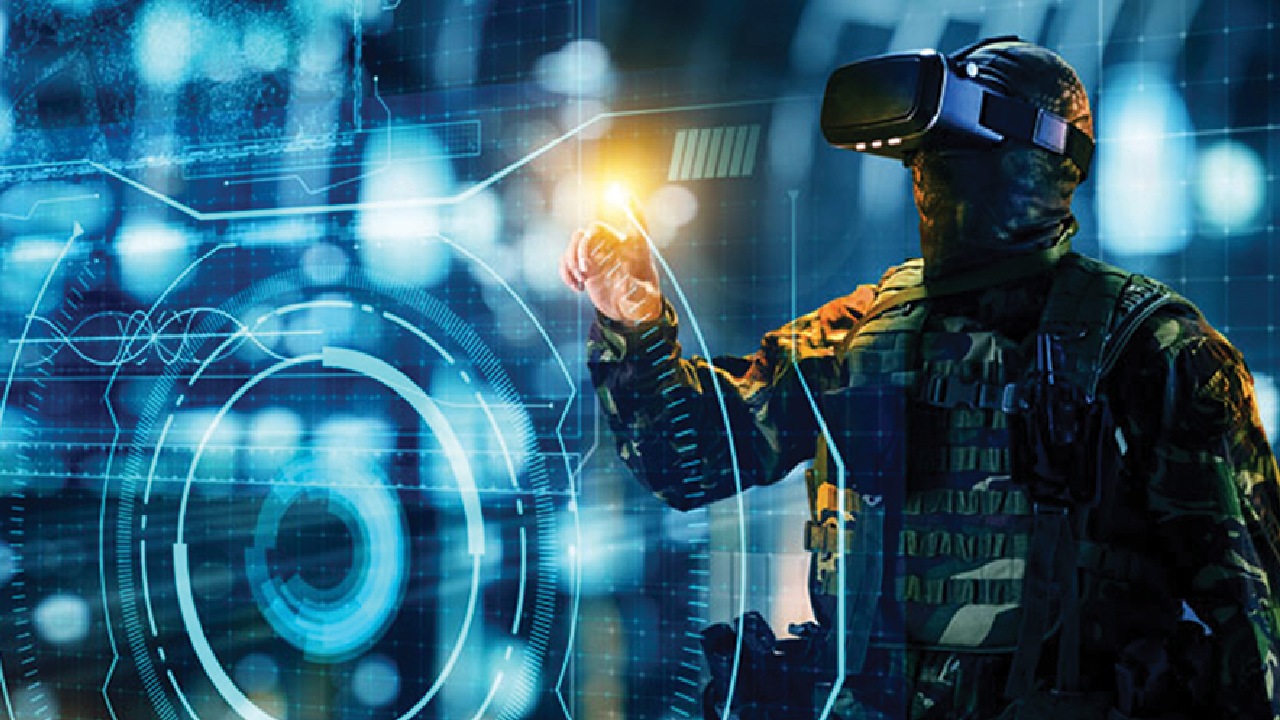
There was a time when the number of soldiers and their prowess mattered more than anything else. Times have changed since then. Technology can equip a single soldier to be an army. The technological advancement in recent years has made a paradigm shift in modern warfare. Those nations who miss the bus are risking their security in a big way. Though India has made big strides in defence technology, it has a long way to go. When Defence Minister Rajnath Singh remarked on Army Day that “modern warfare has become multifaceted,” he was referring to this transformation.
With AI and drones becoming ubiquitous, modern warfare has changed drastically in the 21st century. The enemy is not attacked on the battlefield alone. The attack unfolds across cyberspace, outer space, the electromagnetic spectrum, supply chains and even social media well before the war has actually begun. The US recently used a cyberattack on Venezuela to cripple its defence systems and paralyse its response.
Space surveillance and precision-guided munitions are now vital technologies for the speed, scale and outcome of wars. For India, with its security challenges, technological upgradation and preparedness are not an option but a necessity. Rajnath Singh’s emphasis on a ‘technologically updated soldier’ underlines this point. The Indian Army has shown great valour in the past and continues to do so, but it has to match in technology with the best available equipment and systems. The numbers cited by the Defence Minister offer cautious optimism. Domestic defence production rising from `46,000 crore in 2014 to `1.51 lakh crore today, and defence exports touching nearly `24,000 crore, indicate that India has made big strides in technology. Indigenous platforms, missiles, artillery systems and electronic warfare capabilities are gradually reducing critical vulnerabilities. One very important aspect is that war technology must be homegrown, as it cannot be left to the whims and fancies of the supplier nation which may use it as leverage.
Yet, India remains dependent on imports for key technologies such as aero-engines, advanced sensors, semiconductors and certain precision components. In a crisis, this dependence can translate into strategic pressure. History offers a stark warning. In today’s world, this leverage can be subtle — supply-chain disruptions, denial of spare parts, software restrictions and technology sanctions — these can seriously jeopardise defence preparedness. This is why self-reliance in defence — Make in India — is a strategic freedom. Reducing import dependence requires sustained investment in research and development, deeper collaboration between the armed forces, DRDO and private players. Complex procurement procedures, frequent changes in qualitative requirements, risk-averse decision-making and overlapping layers of approval have historically delayed programmes from conception to induction. Prototypes take years to mature, while testing and trial cycles become prolonged and repetitive. Dependence on foreign technologies compounds delays. India’s mastery of technology will define its military power and sovereignty.