Teachers: The unsung sculptors shaping our society
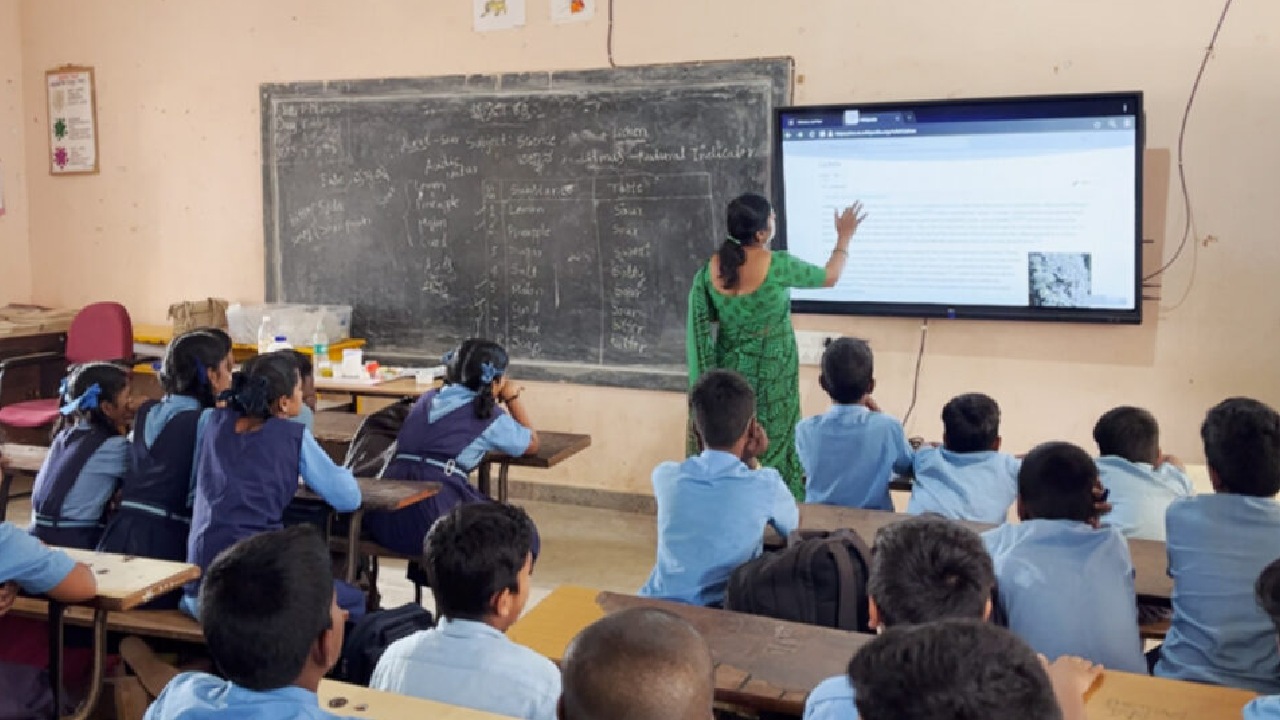
As the New Year tiptoes in with its ritualistic optimism, glittering resolutions and recycled affirmations about growth and transformation, it is an opportune moment to acknowledge a profession that has been transforming society long before hashtags made it fashionable. Teachers are, after all, the sculptors of society — though not the romanticised kind chiselling masterpieces in sunlit studios. Their workshop is a crowded classroom, their tools are patience and persistence, and their raw material is a volatile mix of curiosity, confusion, defiance, brilliance and inherited prejudice. They are expected to mould the future while standing knee-deep in systemic contradictions, armed with idealism but short on institutional backing.
It is universally agreed, at least in theory, that teachers shape the destiny of nations. This belief is proclaimed in speeches, policy documents and ceremonial celebrations. Yet, once the applause fades, the same society turns conveniently forgetful. Teachers are instructed to inspire innovation but discouraged from questioning outdated curricula. They are urged to cultivate critical thinking but warned against unsettling established narratives. They are told to personalise learning while being handed overcrowded classrooms and rigid timelines. Apparently, sculpting excellence is easy - as long as it fits neatly into predefined moulds.
Modern teachers are also expected to be marvels of multitasking efficiency. They must alternate between educator, counsellor, administrator, technologist, motivator, evaluator and, occasionally, crisis manager. They are expected to nurture emotional intelligence while navigating their own burnout in silence. When a child falters, teaching methods are interrogated. When a child excels, credit is distributed among parenting styles, private tutoring and inspirational influencers. Teachers, it seems, are valued as background characters in success stories and foreground suspects in narratives of failure.
Accountability flows generously in one direction. Teachers are observed, assessed, retrained and audited with admirable regularity. Meanwhile, systemic inefficiencies enjoy immunity from scrutiny. Policies are drafted far from classrooms; reforms are announced without groundwork, and implementation gaps are treated as minor inconveniences. Teachers are expected to adapt overnight, smiling through workshops steeped in jargon and detached optimism. If the sculpture cracks, the sculptor is blamed - never the flawed marble or unstable pedestal.
Yet teachers persist with a stubborn commitment. They arrive each day carrying not just lesson plans, but hope. They notice the silent child shrinking into invisibility, the restless mind seeking purpose, the confident voice masking insecurity. They teach beyond academic content; they model resilience and quietly challenge inherited biases. In an age obsessed with instant gratification, teachers practise the radical act of patience.
As society enters another year of promises, it is time to reassess how we treat those entrusted with our collective future. Respect cannot remain performative and expectations cannot remain unrealistic. Teachers do not seek sainthood or sympathy; they seek trust, autonomy and systems that enable meaningful education. Ultimately, the quality of a society can often be traced back to its classrooms. When classrooms thrive, communities flourish, and nations inherit a deeper, lasting resilience for generations ahead.
The writer is an educator and a counsellor; views are personal