Sever AQI becomes the new normal
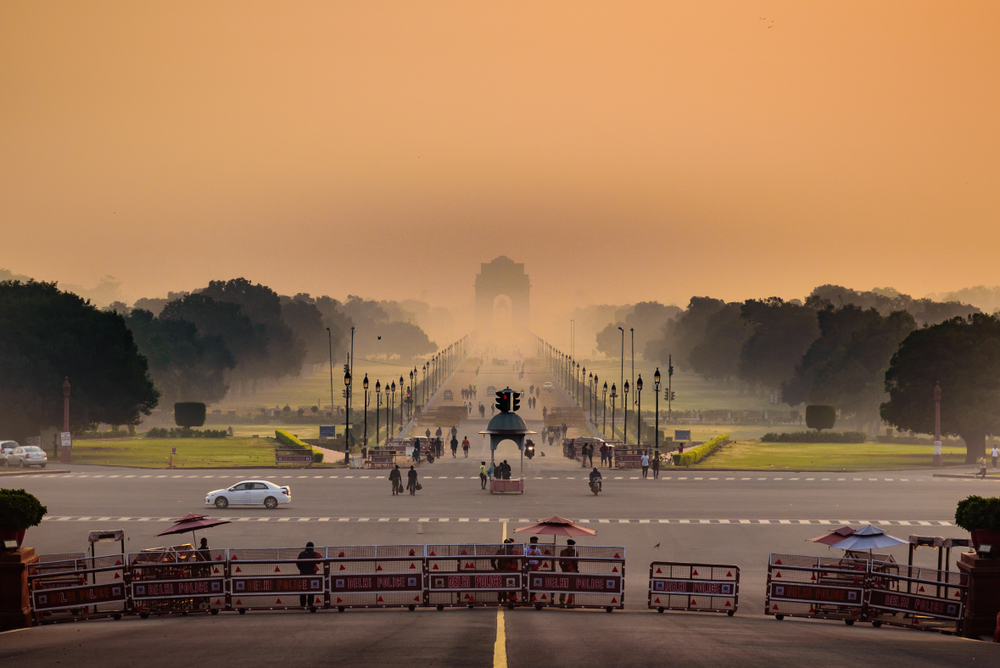
The description may be clichéd, but it remains apt — Delhi in winter turns into a gas chamber, leaving the elderly, children, and the ill with nowhere to turn. When doctors recommend leaving the city as treatment, it is a damning indictment of governance. As Delhi’s Air Quality Index (AQI) hovers around the 400 mark, the national capital once again finds itself in the grip of a public health emergency, though a routine one. Year after year, Delhiites have become so used to it that hardly any marches or placards are seen protesting on the streets. On Monday, the city recorded an average AQI of 427 — its third consecutive day in the ‘severe’ category — before marginally improving to 381 on Tuesday morning but still categorised as “very poor”. Many areas in Delhi crossed the 430 mark, while large parts of west and north Delhi reported high pollution. The impact has not been confined to health, but its effects could also be seen in disrupted flights, closed schools, and thin attendance in offices. Every winter, it is the same old story: Delhi experiences toxic air, and every year authorities respond with short-term firefighting rather than lasting solutions.
The reasons are not new and solutions are available. Toxic fumes of vehicles, industrial pollution, construction dust, and biomass burning combines with heavy air, leaving Delhi gasping for breath. As temperatures drop, wind slows down and pollutants remain close to the ground, turning the city into a gas chamber. Crop residue burning further aggravates the situation. However, it would be misleading to place the blame entirely outside Delhi’s borders.
The uncomfortable truth is that Delhi produces enough pollution of its own to make winters unbreathable even without stubble burning. Explosive growth in private vehicles, weak enforcement of emission norms, rampant construction activity, and polluting industries operating on the city’s fringes ensure that pollution levels remain dangerously high. The repercussions are severe and far-reaching. Prolonged exposure to ‘severe’ AQI levels increases the risk of respiratory illnesses, heart disease, stroke, and reduced lung development in children. Hospitals report spikes in asthma and chronic obstructive pulmonary disease cases, while outdoor workers bear the brunt with little protection.
However, solution is not impossible to find. By taking a few steps, the authorities could fight this menace effectively. First, emergency responses such as construction bans, vehicle restrictions, and industrial shutdowns must be timely, and strictly enforced.
Second, structural reforms are essential: rapid expansion of clean and reliable public transport, disincentivising private vehicle use, transitioning industries to cleaner fuels, and enforcing dust-control norms year-round. Biomass burning must be checked, if not banned completely. Above all, Delhi must stop treating ‘severe’ AQI as a seasonal inevitability. It is the net result of natural phenomena and human negligence. We cannot fight nature, but we can definitely bring about a change in our behaviour and actions to keep our air clean.