SC sets limits on curricular autonomy
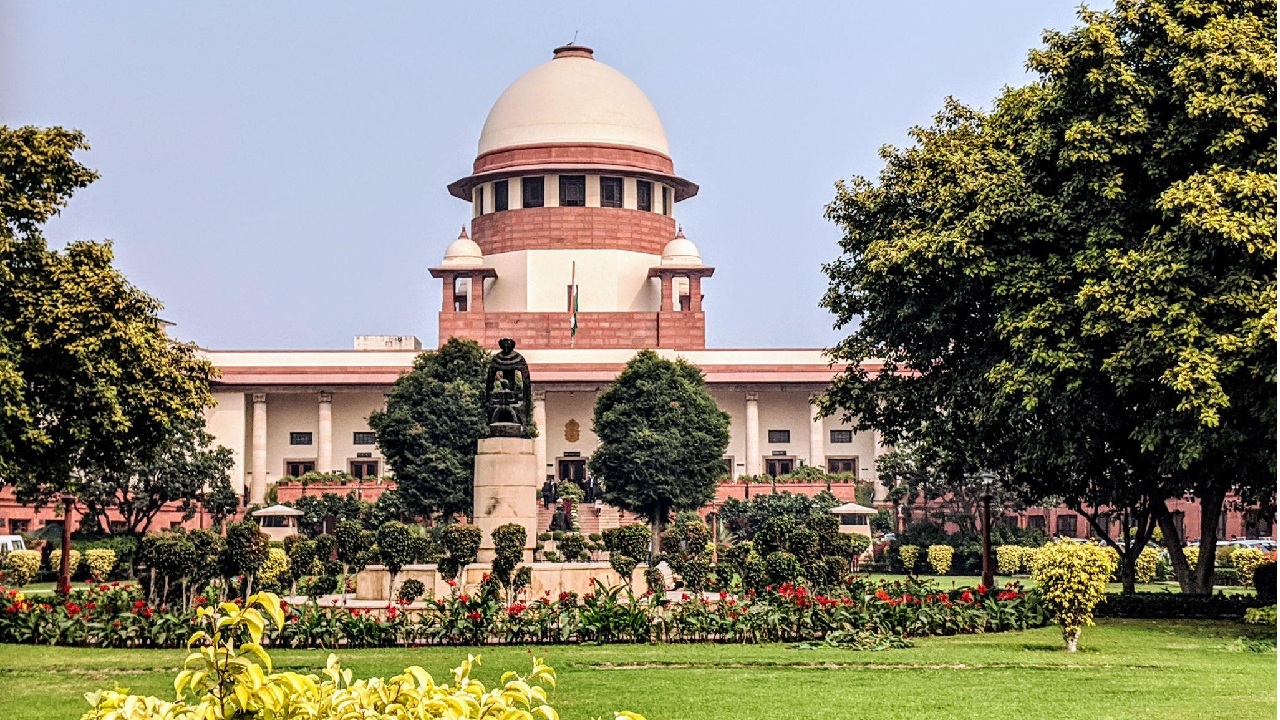
It is not for the first time that the NCERT books have come under fire for their subject content and treatment. Many times, NCERT has been criticised for publishing course books with a political slant or for presenting facts in a skewed manner rather than as they are. However, it has never been criticised for misportraying the country's judiciary. It is for the first time we are seeing an enraged Supreme Court shielding its turf and admonishing the NCERT board for tarnishing the image of the country's judiciary. The row over the Class 8 NCERT social science textbook has opened up a larger and more delicate debate about the boundaries between academic freedom, institutional respect, and the responsibilities of the state. When the NCERT included references to corruption, case backlog, and shortage of judges as challenges before the judiciary, it may have intended to present students with a realistic understanding of the judiciary, but the Supreme Court took it otherwise, describing it as a "well-orchestrated conspiracy" and ordered a blanket ban on the book. With the direction to seize all physical and digital copies of the textbook, along with show cause notices to senior officials, the Supreme Court sent an unequivocal message regarding NCERT's chapter on the judiciary. The response
from Union Education Minister Dharmendra Pradhan reflected the government's effort to contain the fallout. Expressing anguish and promising accountability, he emphasised that there was no intention to insult the judiciary. The NCERT also, on its part, apologised for "inappropriate content" and pledged to rewrite the chapter.
The episode may be over but it has generated a heated debate on the limits of textbook content and what young minds must be taught when they are yet to experience it in real life. Should students be shielded from discussions about systemic challenges within institutions, or should they be encouraged to understand them critically and constructively? This is the vital question being asked. Though no denying the fact that the truth must be told, there are truths that are inconvenient and would confuse the young minds. For instance, corruption in high places, the uglier truths of democracy, or, for that matter, bureaucratic red tape cannot always be presented bluntly, as doing so may lower the stature of these institutions in the eyes of the young, who may then grow up without respect for them. Having said that, a rosy picture would also not be in the best interests of the students. A balanced and nuanced reference to these topics could be the way forward, where students can also know the pressures our institutions face and the challenges the large democracy has to face in order to survive. Openness and transparency should not in any way undermine the institutions that have evolved painstakingly over the years. The episode also exposes a deeper tension between autonomy and oversight in curriculum design. NCERT, as the apex body for school curriculum, must maintain rigorous editorial standards and anticipate sensitivities. At the same time, institutions must not function under the shadow of fear. In a mature democracy, they must go hand in hand.