Samta Sakhis are transforming lives of rural women’s
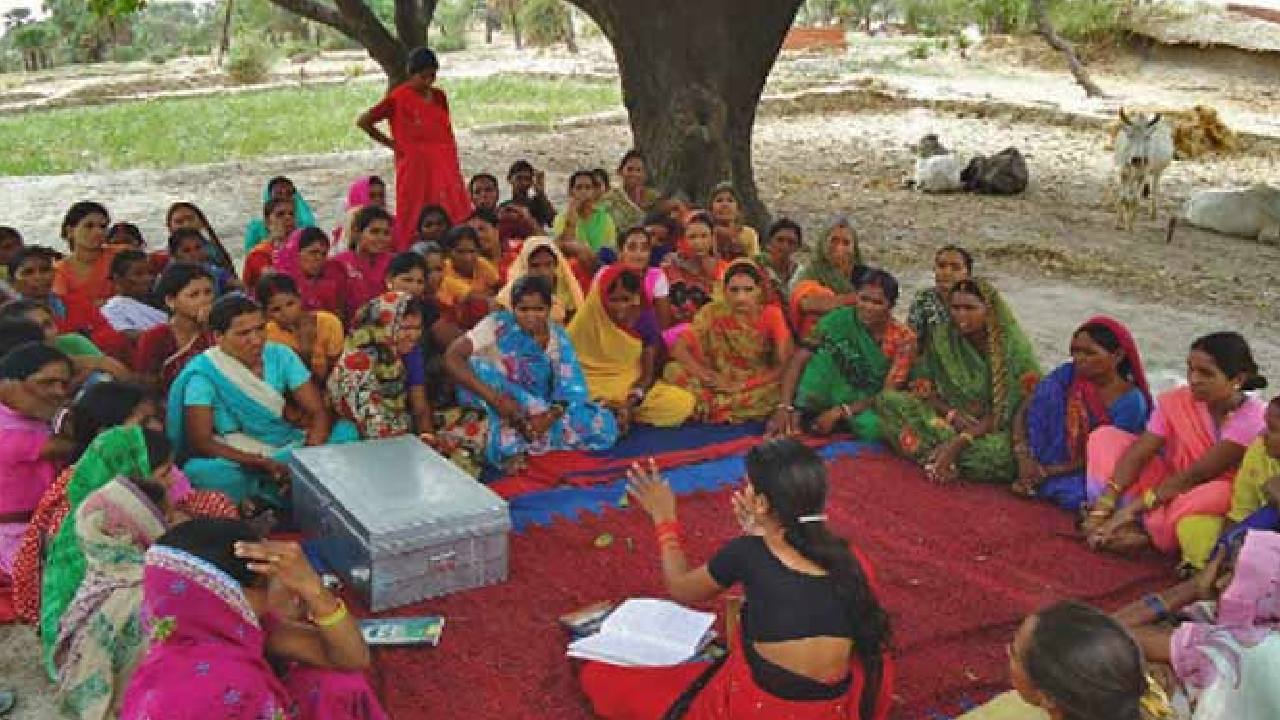
Members of women’s collectives (self-help groups) in Madhya Pradesh, known as Samta Sakhis, have been playing a crucial role in addressing gender-based violence, ensuring women’s rights and entitlements, and empowering communities to take action. Part of an initiative promoting transformative change through women’s leadership, they spread awareness about gender equality and mobilised women to hold local authorities accountable.
Coming from marginalised economic and social backgrounds, the Samta Sakhis have faced many challenges in their own lives. This enables them to relate closely to the struggles of other women and fuels their desire for change. Their lived experiences of hardship have strengthened their empathy and helped them fight for women’s rights with resilience and determination.
A clear sign of change in Sheopur district, where the initiative began in 2019, emerged when women decided they would no longer spend hours collecting water due to the absence of nearby drinking water. Samta Sakhis mobilised 40 women to present their grievances to the sarpanch. Initially reluctant, he eventually gave in to the collective pressure and ordered the construction of a borewell. They conducted training sessions on women’s rights, laws related to violence against women, and entitlements to land, housing, and pensions for widows, the elderly, and persons with disabilities. They supported widowed women facing violence from marital families to secure their share of land and rightful pensions. They also pursued complaints regarding roads, streetlights, and primary health centres. Samta Sakhis guided women in obtaining identity and job cards for government schemes, as well as caste certificates required for ration cards. They established Lok Adhikari Kendras and block gender forums to facilitate access to entitlements.
Their success lies in working beyond their own groups and villages. When they learned that a Panchayat Secretary in a nearby village was taking bribes to issue caste certificates, they intervened. After he refused to listen, they waited for the Janpad CEO’s visit. Upon hearing their complaint, the CEO reprimanded the Secretary and ordered immediate action. Certificates were issued within minutes — a resolution unlikely without their persistence. The Samta Sakhi initiative began in 2019 as a pilot by the International Center for Research on Women (ICRW) under the gender justice programme of the National Rural Livelihood Mission (NRLM). It was implemented by ANANDI, a not-for-profit organisation, in partnership with ICRW and IWWAGE, in collaboration with the Madhya Pradesh State Rural Livelihoods Mission (MPSRLM). Its success led to expansion into 18 districts in 2023. Despite its impact, the programme has since been absorbed into another scheme due to resource constraints, weakening its focused approach. Strengthening women’s collectives is vital for implementing the RESPECT Women framework by UN Women and WHO to end violence against women. As a signatory to the UN Sustainable Development Goals, India has committed to achieving gender equality (SDG 5) by 2030. Expanding the proven Samta Sakhi model with adequate funding would advance this commitment.
The writer is journalist writing on development and gender; views are personal