Reforming education without reforming teachers
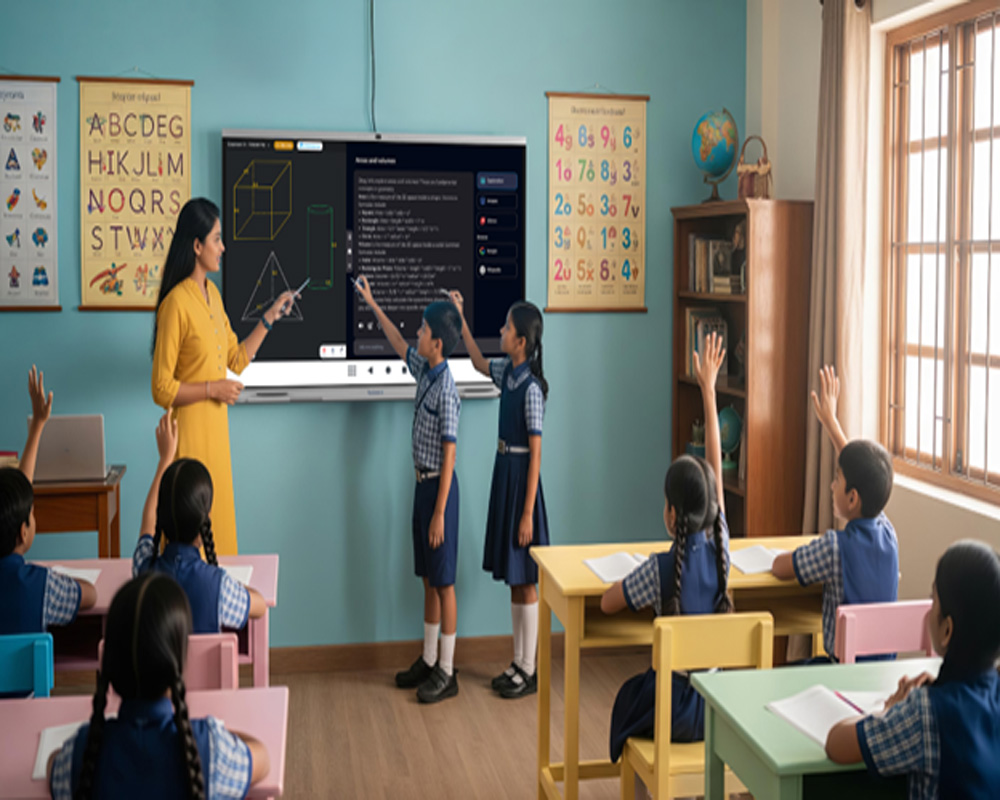
When Finland revises its curriculum, it begins by retraining teachers. When Singapore introduces new competencies, educators are upskilled well before students encounter the change. Across high-performing OECD nations, education reform starts with strengthening teaching capacity, not demanding student adjustment. India, however, follows a different sequence. Reforms are announced with fanfare, policy documents multiply, acronyms proliferate, and students are expected to adapt immediately. Teachers, meanwhile, are left to translate ambitious vision into classroom reality-often with little preparation, minimal consultation and growing administrative pressure.
If education reform is genuinely the objective, one uncomfortable truth must be acknowledged: real change lies not in constantly fixing students, but in re-teaching teachers.
When learning outcomes disappoint, the diagnosis is predictable. Students are distracted. They do not read. Smartphones have ruined attention spans. Every explanation is accepted except the possibility that pedagogy itself has failed to evolve. This narrative is administratively convenient. It shifts accountability away from institutions, boards and training bodies and places it squarely on children. Questioning students is easy; questioning systems is not.
Teacher professional development has increasingly become an exercise in compliance rather than competence. Orientation programmes, NCERT-led sessions and mandatory Continuous Professional Development hours look impressive on paper. In practice, they are often overcrowded, rushed and overwhelmingly PowerPoint-driven. Teachers log in, listen passively, mark attendance and log out-officially “trained”, yet pedagogically unchanged.
The irony is stark. Teachers are urged to foster experiential learning through training that offers no experience. They are told to encourage inquiry while being placed in environments that discourage questioning. Reflection is sacrificed to coverage, dialogue to deadlines. Completing hours matters more than deepening understanding. Concepts such as classroom psychology, differentiated instruction, assessment literacy and socio-emotional learning are frequently invoked but rarely internalised. Creativity is praised in policy language but quietly discouraged in practice, especially when it challenges hierarchy or routine.
A teacher unfamiliar with inquiry-based learning may view questions as disruption and disagreement as disrespect. This is not individual failure; it is systemic contradiction. Re-teaching teachers is not an indictment of the profession. It is recognition of its growing complexity. Teaching today is not mere content delivery; it is cognitive mentoring, emotional scaffolding and ethical guidance.
India’s education policies are often visionary, yet classroom experiences remain average. The gap between intent and implementation is bridged not by students, but by teachers — who are rarely treated as intellectual partners in reform. Until teachers are prepared for the classrooms we imagine, reform will remain cosmetic. Real change does not begin in the child’s notebook. It begins in the teacher’s mind.
The writer is an educator and counsellor; views are personal
Leave a Comment
Comments (1)
Well composed