Recalibrating Indian agriculture
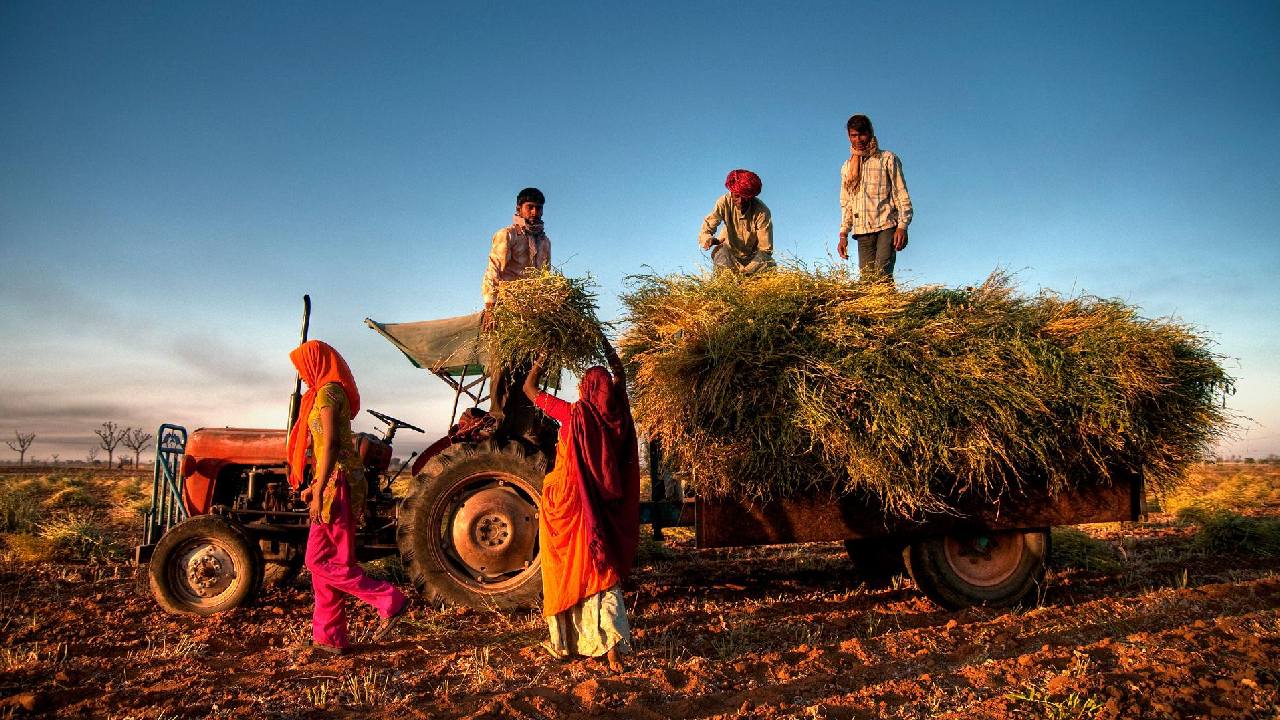
Indian agriculture, a sector that supports half the workforce of the country, contributes barely one fifth of its GDP, yet it remains one of the most neglected and low on fiscal priority. The reasons are not difficult to find. The yield per hectare remains low, the input costs have only increased, while the prices of the produce remain abysmally low, sometimes not even enough to cover the input costs and the labour costs.
Though farm output growth has recovered modestly in recent years, with production growing over 4 per cent and food inflation remaining relatively low, farm distress has only grown. Barring a few states like Punjab and Haryana, agriculture in the country remains at a subsistence level.
At its core, Indian agriculture has been caught in low productivity, fragmented landholdings, and rising input costs. Most farmers operate on small plots, unable to exploit economies of scale or access modern technologies. Besides, most of the farmland is rainfed, and a bad monsoon is a cause of year-round misery. Price volatility further complicates livelihoods, as farmers face uncertainty in both input costs - from fertilisers to diesel — and output prices, often exacerbated by inadequate storage and market access.
Institutional support systems like the Minimum Support Price (MSP) cushion some producers, but only for a handful of crops. To add to farmers’ woes, climate-change-induced pressures — erratic rainfall, heat stress, and pest outbreaks - eat into the livelihoods of farmers.
Given this rather precarious condition, the US-India trade deal adds another layer of complexity. The India-United States trade agreement announced recently will mean zero or no tariff on certain farm products. Though tariff relief can boost bilateral agricultural trade, it exposes the Indian market to US farm products that will directly compete with Indian produce. Indian exports to the US, particularly marine products, spices, rice, and processed foods, would surge.
However, the deal would also put Indian farmers on the receiving end, as several farmers’ groups have said. Their concerns are not baseless, as when crops such as soybean, cotton, maize, and wheat enter the Indian market with zero tariffs, they would have a cost advantage, as several input costs in India, especially diesel, are far more expensive than in the US, which also enjoys economies of scale given its large farm sizes and mechanised operations. Thus, Indian agriculture needs an urgent recalibration to compete against imported farm produce.
Indian farmers must get some incentive to remain invested in agricultural activity. This would not only protect farmers but also enhance food security, support diversification, and increase rural incomes. The future of India is tied to the wellbeing of 65 per cent of the population that directly or indirectly depends on agriculture. Farm reforms that strengthen productivity, resilience, and value-chain integration are imperative. Trade deals should complement, not compromise, the livelihoods of millions who feed the nation.