Myanmar casts a sham ballot amid repression
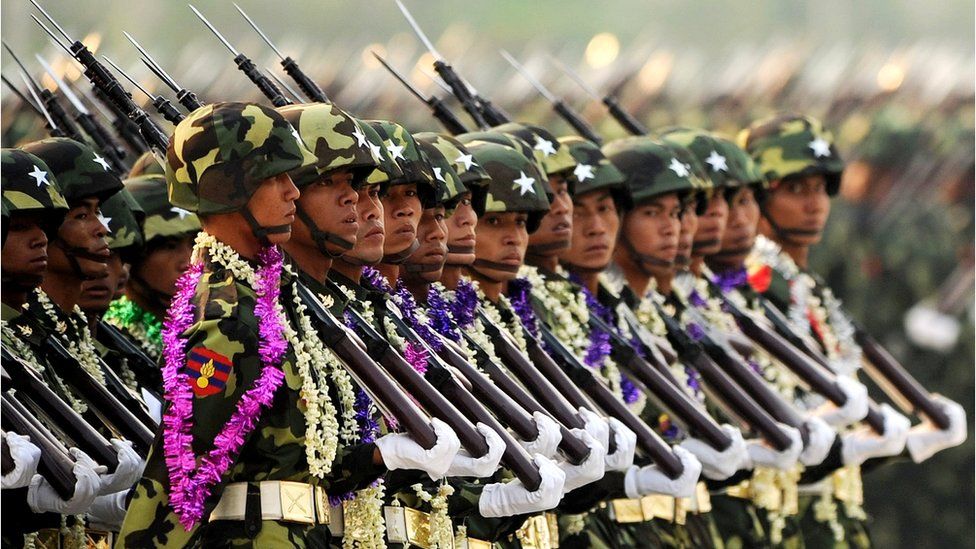
Myanmar, a country at war with itself, is going through hustings, but there are no cheers there. The whole exercise is designed by generals to give them a semblance of legitimacy, however flimsy. Myanmar is a broken country today, governed by a military junta with brute force that has alienated vast sections of its citizens and rules with an iron fist, though it is facing a tough time as rebels have grown stronger and its authority has been seriously undermined.
Myanmar’s generals are staging an election under the shadow of guns. It is less a democratic exercise than political theatre — an attempt to cloak continued military rule with a veneer of legitimacy nearly five years after the 2021 coup that toppled Aung San Suu Kyi’s elected government.
With voting cancelled in large areas of the country, opposition parties barred, and the National League for Democracy dissolved, the outcome is predictable.
The election is taking place against the backdrop of a brutal civil war that has killed an estimated 90,000 people and displaced over 3.5 million. In many regions, there is no campaigning, no public engagement, and little interest among citizens who see the ballot as irrelevant to their daily struggle for survival. Myanmar’s military is indulging in air strikes on its own people, burning villages and attacking with drones to stay in power. An election held amid such violence cannot unify the country; it risks hardening divisions and prolonging conflict.
True, Beijing’s brokering of ceasefires and pressure on ethnic armed groups has slowed rebel momentum. Yet these gains are limited and fragile. Large parts of Myanmar — particularly Rakhine, Kachin, and border areas — remain beyond effective state control. China’s role reflects its overriding concern: stability along its border and protection of strategic economic corridors to the Indian Ocean. For Beijing, the election offers predictability, not democracy. Russia and India, too, have offered explicit support to the process, while Western nations dismiss it as a sham but have largely failed to engage meaningfully with Myanmar’s opposition forces or address the humanitarian catastrophe unfolding daily. The result is a dangerous vacuum — one where the junta claims legitimacy, rebels remain fragmented, and civilians pay the price.
For India, the stakes are high. Myanmar is a critical neighbour, sharing a long and sensitive border with India’s Northeast. Instability leads to refugee flows, arms trafficking, and insurgent linkages across borders. While New Delhi’s pragmatic engagement with the junta is driven by security concerns and competition with China, India’s own democratic credentials give it leverage — and responsibility — to push for a more inclusive political dialogue, expanded humanitarian access, and protection of civilians, particularly in border regions.
The wider international community must move beyond rhetorical condemnation. Sanctions alone will not end the war, but neither will quiet acquiescence. Myanmar’s future can be secured only through inclusion, not through stealing a mandate in the most brazen way.