Must India ban social media for children?
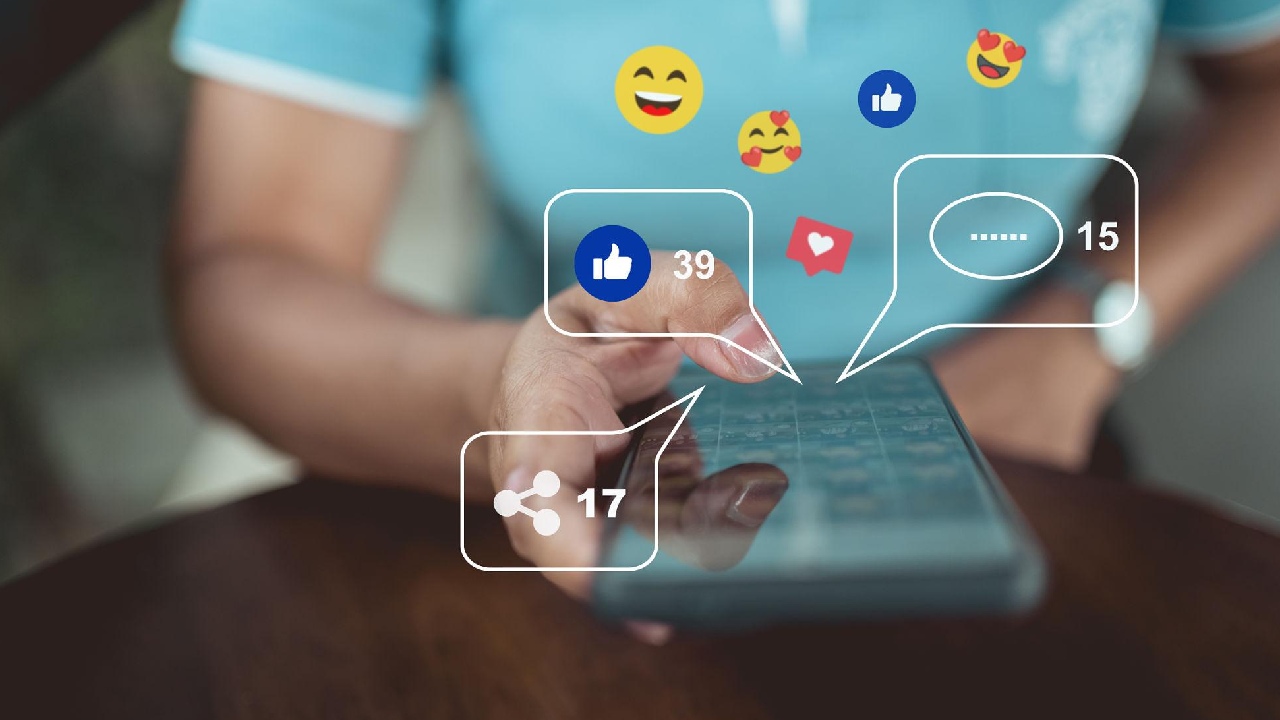
Over sixty per cent of children in India spend over three hours on their mobile phones every single day, and an equal percentage show increased impatience, aggression, and hyperactivity, with almost half showing signs of depression and lethargy at a very early age. However, there are still no safeguards to limit, let alone debar, children from using online content which is often detrimental to young minds.
Germany has taken a lead in this regard. Germany’s new Chancellor, Friedrich Merz, is considering legally barring children from accessing social media. Merz argues that one should not underestimate the power of algorithms, artificial intelligence, and targeted manipulation that accompany social media and harm young minds. With both his conservative bloc and coalition partners signalling support for tighter controls, Germany may soon join a growing list of nations that are banning social media for young people.
Germany would not be acting alone. Australia became the first country to require platforms to cut off access for children, and governments in France, Spain, Greece, and the United Kingdom are weighing similar measures. Indeed, the risk is too grave to ignore. Algorithms amplify outrage, disinformation spreads with viral efficiency, and artificially generated images and videos blur the line between fact and fiction. The big question is whether we should allow digitally engineered manipulation to shape young minds and, by extension, democratic culture. This is true for Germany, and it is true for India. Advocates of restrictions point to mounting evidence linking excessive social media use to anxiety, depression, body-image issues, and declining attention spans. They warn of grooming, cyberbullying, and radicalisation. Social media raises profound questions about mental health, civic trust, and childhood itself. Back home in India, the case for banning social media for children is equally strong, but it may not be that easy to achieve, and there are larger questions about stifling the creativity, learning, and positive support that one can gain from social media. Besides, prohibition may drive usage underground, making platforms harder to monitor and children less likely to seek help when needed. Age verification systems raise privacy concerns and can be circumvented. For many young people, especially those marginalised offline, digital communities offer vital support networks. Many underprivileged children also use it to learn skills and crafts that they cannot otherwise afford.
The way out, therefore, lies in layered reform. Age-appropriate design codes, stricter data-collection limits, algorithmic transparency, and heavy penalties for platforms that fail to remove harmful content could shield children from online harm. Besides, raising awareness and equipping young people to recognise manipulation and misinformation can go a long way in promoting the responsible use of social media. The best approach, therefore, could be to regulate rather than ban it — but this must be done sooner rather than later.