Modern medicine and the forgotten power of mind
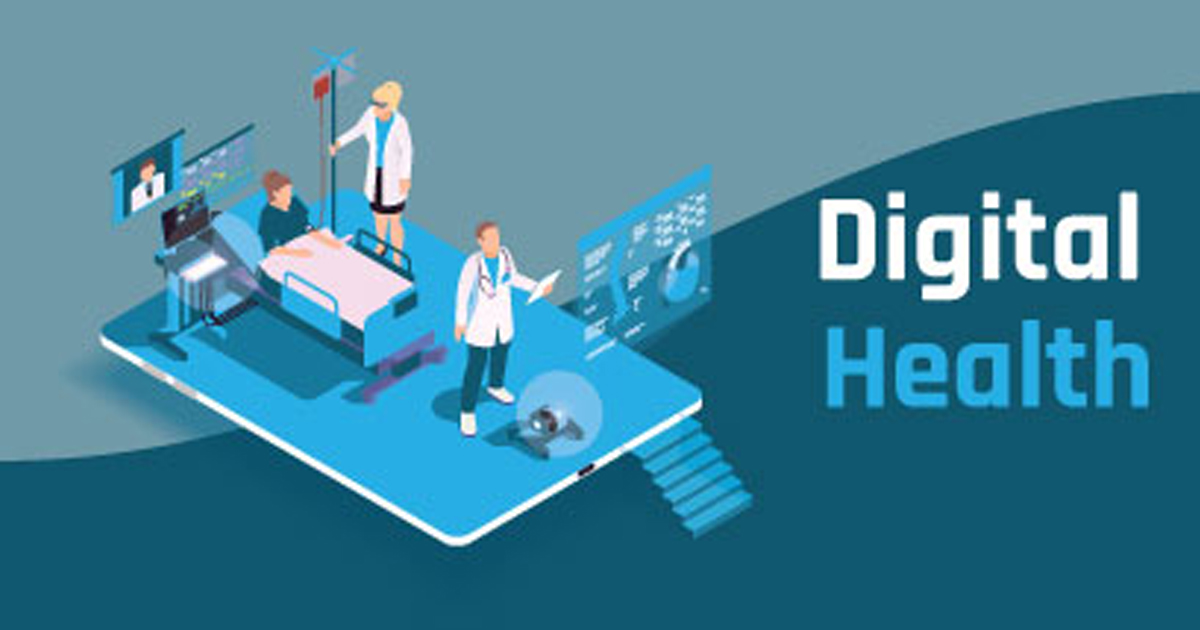
Over the last two decades, particularly with the rapid rise of high-tech and modern technologies, India has witnessed transformative changes in the field of health sciences. Concepts, approaches, and methodologies related to diagnosis and treatment have evolved dramatically. As a result, humanity’s understanding of illness, disease, health, and overall well-being has expanded enormously. Advanced diagnostic tools have rendered many traditional assumptions obsolete, while cutting-edge research-especially in genetic engineering, shifted attention towards identifying disease-causing genes and exploring ways to prevent or correct them.
Yet, despite these remarkable scientific breakthroughs, a paradox remains: hundreds of millions of people across the world continue to suffer from life-threatening diseases for which no definitive cure exists.
With decades of clinical experience and extensive research, medical professionals globally are increasingly recognising stress and chronic mental tension as major contributors to disease. Even as medical science advances at an unprecedented pace, the number of patients continues to rise, and not a single disease has been completely eradicated. One key reason lies in the limited attention given to the inner dimensions of a patient-their thought patterns, emotional habits, attitudes, unresolved trauma, and past experiences. This reflects broader societal priorities. Human emotions are rarely nurtured or consciously managed, even though emotional disturbances often manifest as physical illness. Repeatedly reliving painful memories or remaining trapped in past trauma weakens both mental resilience and physical health.
In today’s fast-paced, digitally driven world, overstimulation is no longer confined to the body; the mind is under constant strain. Continuous exposure to news, social media, and information overload has significantly affected mental health. The COVID-19 pandemic further highlighted how closely emotional and psychological well-being are linked to physical health. Anxiety, depression, and burnout are now discussed more openly than ever before. Ironically, while technology accelerates, our ability to regulate thoughts, emotions, and stress appears to be steadily declining. Scientific studies on meditation provide insights into its impact on human health. Researchers have observed that the relaxation response generated through meditation influences the subconscious mind and every cell of the body. This response enhances immunity, self-control, tolerance, and willpower-qualities essential to healing. Neurological research links this response to the pituitary-hypothalamus complex, where alpha and delta brain waves are activated during meditative and positive mental states.
In recent years, wellness movements centred on mindfulness, meditation, and holistic health have gained widespread acceptance. Even corporate sectors now promote mental well-being through wellness programmes and stress-management initiatives. A sound understanding of the sympathetic and parasympathetic nervous systems, along with the hypothalamus, thalamus, and hypophysis, makes one truth clear: without healing the mind and strengthening the will to recover, lasting results from medicine or surgery cannot be assured. True wellness emerges when technological advancement is complemented by inner strength, emotional awareness, and positive thinking. This integrated approach offers hope for healthier societies and generations.
The writer is a spiritual teacher and popular columnist; views are personal