Japan steps out of the shadows
Japan, one of the Axis powers in the Second World War, has maintained a low profile in geopolitics, focusing mainly on economic growth while quietly avoiding the political headwinds in its region. However, that may be about to change, as Japan’s general election has delivered a decisive mandate to Prime Minister Sanae Takaichi and her conservative coalition. Takaichi is known for her assertive posture and makes no secret of her criticism of China, which she considers an aggressor in the region that must be contained. She has been vocal about strengthening Japan’s defence capabilities to address emerging threats, particularly from China. Her entire election campaign centred on this issue, and the strong mandate suggests her message resonated with voters.
Takaichi is expected to fast-track plans to increase defence spending, modernise military capabilities and give Japan a more active role in regional security. After the Second World War, Japan remained under the security umbrella of the United States, but regional politics have evolved, with China emerging as a dominant power seeking greater influence over Taiwan, Hong Kong and the wider region. China’s military build-up, pressure on Taiwan, and increasingly assertive behaviour in the East and South China Seas have convinced many Japanese voters that deterrence, rather than restraint, is the safer course.
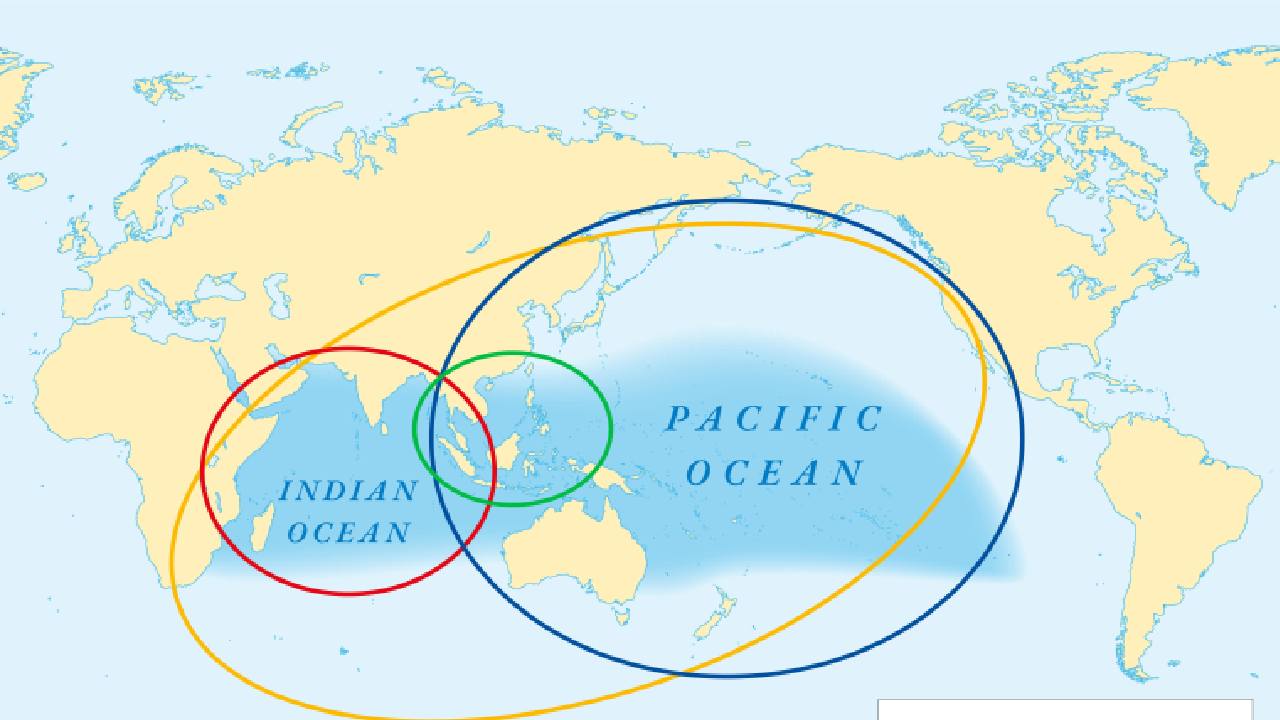
For India and the Indo-Pacific, the implications are significant. A more militarily proactive Japan, forging alliances, could alter the region’s strategic balance. It strengthens deterrence frameworks that include the United States and Australia, and reinforces the idea of a “free and open Indo-Pacific”. This is unlikely to be welcomed by Beijing, which has criticised Takaichi’s rhetoric as exceeding diplomatic norms. For India, Takaichi’s victory brings both opportunities and responsibilities. New Delhi, like Tokyo, faces a more assertive China along its borders and in surrounding waters. Over the past decade, India and Japan have developed a deep strategic partnership, from joint
naval exercises to cooperation in infrastructure, technology and supply chains.
A more confident Japan could elevate this partnership further. Defence co-development, intelligence sharing and coordinated maritime patrols become more feasible when Tokyo is willing to bear greater risks and costs.
However, Japan’s new posture may shift the regional balance and contribute to greater militarisation. India, which values strategic autonomy while working with partners, must ensure that deeper cooperation with Japan strengthens stability rather than creating rigid blocs.
Ultimately, Japan’s election signals that Asia is entering a phase where power and preparedness matter as much as economics. By choosing Takaichi and her coalition, Japanese voters appear to support a future in which their country is not just an economic giant, but an active strategic player.