Iran’s unrest: Economic anger, generational dissent
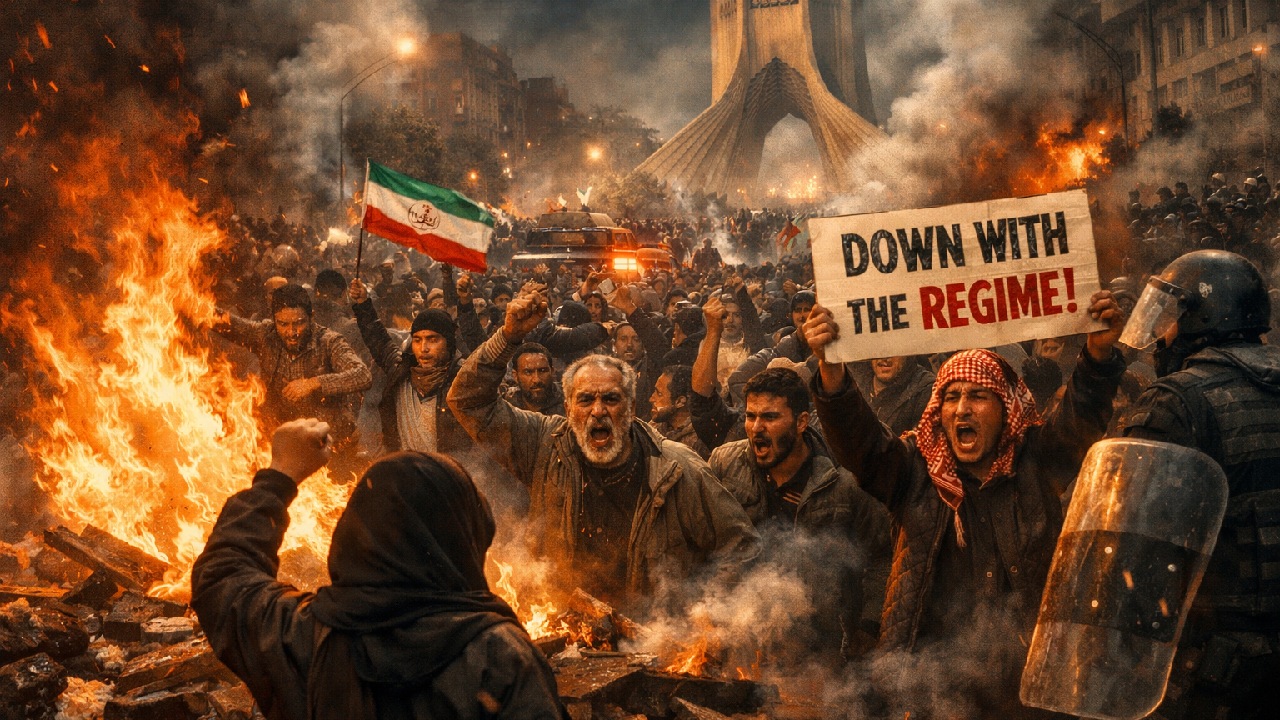
Iran’s streets are on fire, and this is not the first time. In fact, it is a repeat of 2022, when the country erupted in widespread protests. However, this time the unrest is more violent and far more directly aimed at the government. Unlike elsewhere, these protests must not be confused with the Gen Z movements that have become common in many parts of the world. People from all age groups can be seen on the streets, protesting against the daily hardships they face and the shrinking options for their livelihoods and their children’s future.
It would be wrong to blame foreign powers, particularly the United States, for these protests, which have seriously jeopardised the legitimacy of the present Iranian regime, even though Washington will be watching developments keenly as Iran implodes.The protests reveal a simmering economic crisis that has now come to the fore. Spiralling inflation and a collapsing currency in December have put immense pressure on average households. That said, while the unrest may have been triggered by economic factors, it is certainly not confined to them. The protests have turned into a political outrage and an indictment of the government’s policies, especially its foreign policy.These protests are also different from those seen during the “Woman, Life, Freedom” (Zan, Zendegi, Azadi) movement of 2022. This time, people and groups that were once considered relatively supportive of the system are also protesting in large numbers.Although the US may not be actively fomenting trouble, its sanctions have created a situation in which Iran cannot function at full economic capacity.
Add to this economic mismanagement, corruption and international isolation, and the result is a recipe for widespread discontent.Rising inflation has devoured savings and pushed basic necessities beyond the reach of the average person. Youth unemployment is soaring as many businesses are operating at a loss. Moreover, there is no effective mechanism for airing grievances, and the government shows little inclination towards reform or proactive engagement with the crisis.For a young, urban and digitally active population, these material hardships are suffocating, both socially and politically.The situation now resembles a generational revolt. Iran’s Gen Z has little memory of revolutionary legitimacy or post-war idealism.
Their anger is less ideological than existential. Yet framing the unrest as a “Gen Z uprising” would be misleading, as people across all age groups and economic backgrounds are bearing the brunt of the economic crisis. Even older citizens, who once tolerated the system in the name of stability, are now present on the streets. This is not a rebellion but an expression of deep discontent with a state that has failed to deliver, both economically and in terms of security.Meanwhile, US President Donald Trump’s rhetoric on intervention has inadvertently reinforced this perception. Iran’s rulers must confront the real roots of popular anger through economic and social reforms and by providing better avenues for political participation. Shifting the blame to the US or others, or turning against the nation’s own people, will not resolve the crisis.