India unveils its first anti-terror doctrine
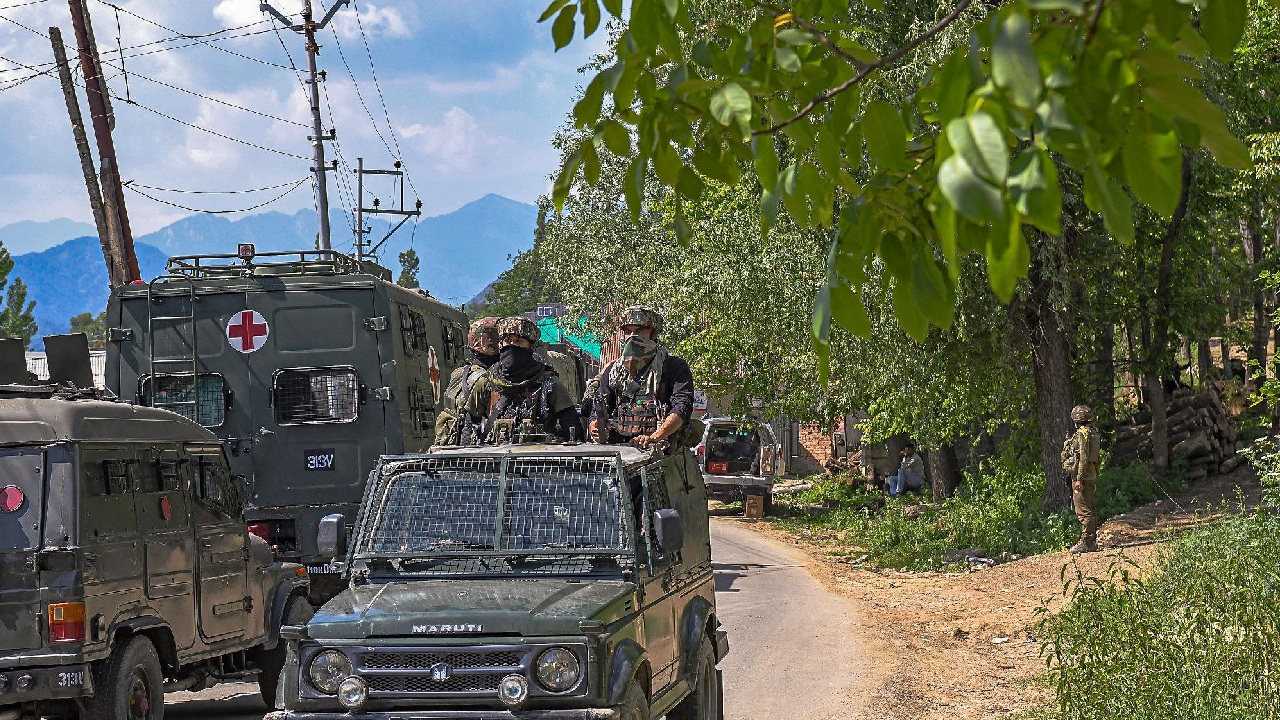
India has been at the receiving end when it comes to terrorism and armed challenges from within and without. From cross-border terrorism in Jammu and Kashmir to bomb blasts in metros to the Mumbai terror attacks, India has endured enough. It has led to severe loss of property and lives, not to mention the trauma and fear experienced by common citizens.
Now, with the unveiling of its first comprehensive anti-terror doctrine, PRAHAAR, India is resetting its strategy to deal with terrorism. The policy seeks to bring coherence and strategic direction to India’s counter-terror efforts.
PRAHAAR maps the full spectrum of risks confronting India: cross-border terrorism, cyber-attacks, drone intrusions, radicalisation, terror financing through crypto channels, and potential attacks using CBRNED (Chemical, Biological, Radiological, Nuclear, Explosive and Digital) materials.
The doctrine is a clear break from the past, as it does not rely only on operational aspects but also focuses on nipping threats in the bud by addressing the issues that lead to terrorism and help terror networks find new recruits. It also mentions that terrorism has no religion or ethnic identity. It thereby emphasises community engagement and strategies to de-radicalise, which may go a long way in containing the menace of terrorism. It rightly acknowledges that the country has long faced “sponsored terrorism” from across the border, including threats from global outfits such as Al-Qaeda. The PRAHAAR doctrine perhaps should have come earlier.
For decades, India’s counter-terror approach has been reactive and based on particular incidents rather than viewing the threat in totality. Besides, terrorism, like other challenges, has grown in sophistication and is now technology-driven rather than confined to bullets and bombs.
Terrorists now use sophisticated technologies such as encrypted messaging apps, the dark web and cryptocurrency wallets to obliterate their footprints, making them difficult to identify, let alone apprehend. Of late, drones are being used to drop arms and narcotics across borders, particularly in sensitive regions such as Punjab and Jammu and Kashmir. Terror networks are now collaborating with other outfits, smugglers and criminals to execute their operations.
In such a scenario, the country needed a doctrine that integrates land, sea, air and digital domains to deal effectively with terrorism. PRAHAAR also recognises that legal robustness is as crucial as operational capability. By recommending the involvement of legal experts from the stage of FIR registration to prosecution, it attempts to plug the chronic gap between arrests and convictions. Equally notable is the policy’s emphasis on prevention. Radicalisation is addressed through graded police responses, de-radicalisation programmes, prison reforms, and engagement with community leaders, moderate preachers and NGOs. This shift is commendable; however, the effectiveness of this approach will depend on the manner in which it is implemented. Moreover, dedicated teams and adequate funding will be needed to make it an effective shield in practice, not just on paper.