India’s moment to lead the AI century
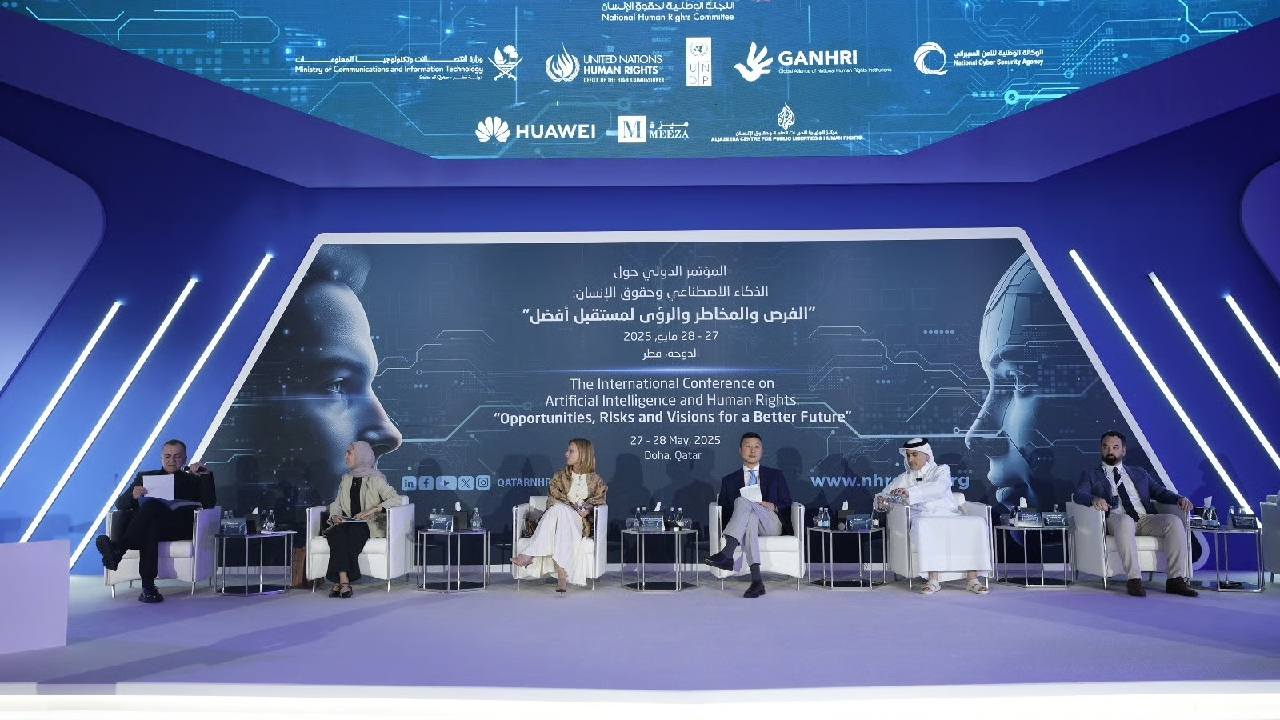
The New Delhi AI Impact Summit 2026, underway in New Delhi, is no ordinary summit. It may well define the course of emerging nations through the 21st century — an era where digital supremacy will be paramount and artificial intelligence will write the rules of geopolitics. It was indeed a great step forward for India to host such an important summit, which has been held for the first time away from the US and Europe in an emerging Asian nation — India.
Prime Minister Narendra Modi’s welcome address at the India AI Impact Summit was more than a ceremonial opening— it was a declaration that India intends to shape, not merely consume, the technologies that will define the 21st century. By framing artificial intelligence within the civilisational ideal of “Sarvajana Hitaya, Sarvajana Sukhaya” — welfare and happiness for all — India placed human dignity, inclusion, and shared prosperity at the heart of a fast-moving digital revolution.
With figures such as Emmanuel Macron, Luiz Inácio Lula da Silva, Sundar Pichai, and Sam Altman in attendance, the summit became a rare platform where geopolitics, innovation, and ethics converged around a single transformative force — AI. Artificial intelligence is already reshaping healthcare, education, agriculture, governance, and enterprise. For India, as for the rest of the Global South, AI holds immense opportunity. Its transformative effect can make a sea of difference in several fields which are critical for the developing world. But this can only happen when AI is channelled in this direction; otherwise, it can also have a dampening effect on global growth, where emerging nations are left out and the West dominates the narrative. With this summit, and given its reach and attendance, the Global South has unequivocally stated that it no longer wishes to remain a consumer of AI technologies but an equal partner in AI journey. It not only uses AI but also contributes to its growth and development. India, in particular, with a huge digital professional base, can be a game changer. Ironically, even the West has realised that it will not be able to pull this off without the help and support of countries like India. The interesting fact remains that, although AI has found a user in almost every realm, given its immense use cases, it is yet to become a commercially viable model. Most AI companies, barring a few like Nvidia that develop the chips which run AI programmes, are operating at heavy losses. For now, they are surviving due to the substantial funding they receive from investors, but this may not last indefinitely, and the AI bubble could burst as the dot-com bubble did in the early part of this century.
In this scenario, the Prime Minister struck a deeper chord by insisting that innovation must be “progressive, innovative and opportunity-driven” — not extractive or exclusionary. By opening its doors to start-ups, researchers, and policymakers from across the world, India has demonstrated that innovation does not have to be monopolised. The promise of technology lies in uplifting all of humanity, ensuring that innovation benefits societies as a whole, not just a few rich nations.