India’s coming of age in space
If there is one Indian institution that has consistently delivered excellence and steadily raised benchmarks, it is ISRO. What began as a modest space agency has today evolved into one of the world’s most respected space organisations, bringing pride to the nation and tangible benefits to every Indian. From accurate weather forecasting and disaster management to communication and surveillance, ISRO’s contributions quietly underpin daily life. Its journey has been all the more remarkable because space research and development is an unforgiving arena, fraught with technological risks and setbacks at every stage-challenges that ISRO has repeatedly met with resilience, innovation, and resolve.
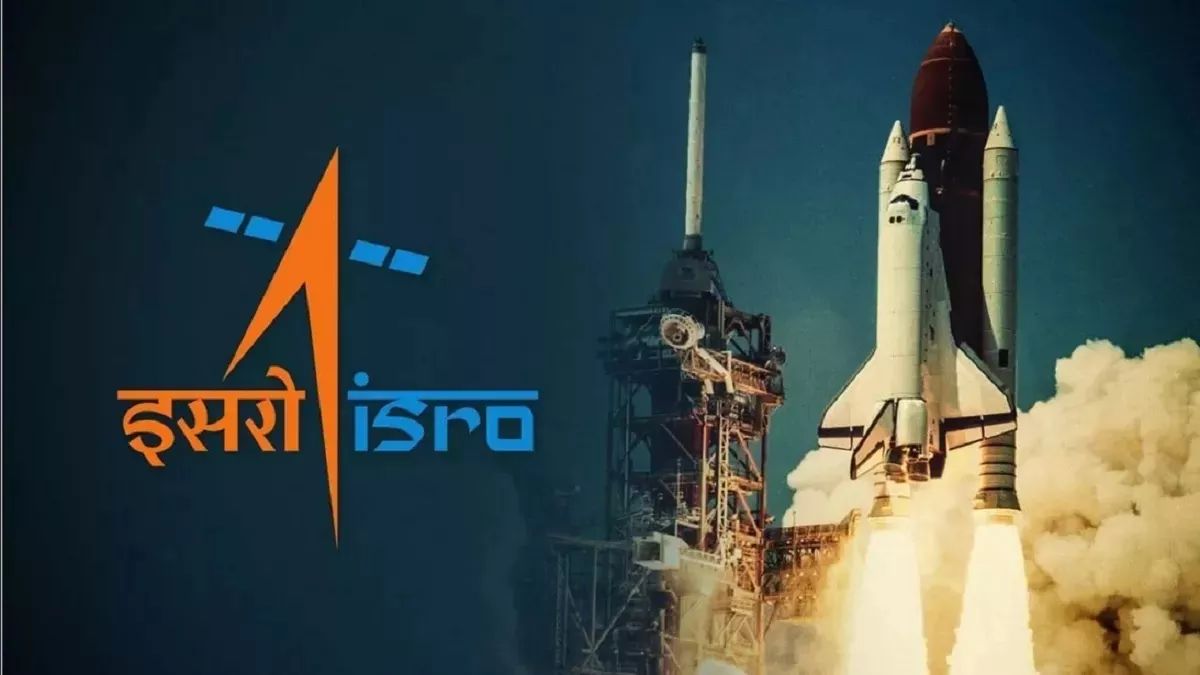
With the successful launch of BlueBird Block-2 aboard the LVM3-M6-aptly nicknamed Baahubali-the Indian Space Research Organisation has once again reaffirmed its place among the world’s serious space powers. Lifting off from Sriharikota with a 6,100-kg payload, the heaviest ever placed into Low Earth Orbit by an Indian rocket, the mission marks not merely a technical triumph but a decisive moment in India’s evolving space journey-from capability to credibility.
The significance of the launch lies as much in what was carried as in who carried it. BlueBird Block-2, developed by US-based AST SpaceMobile, was launched under a commercial agreement facilitated by ISRO’s commercial arm, NewSpace India Ltd. What is important here is not only the feat but also the trust and respect the Indian space agency commands across the world. That a foreign private entity entrusted its most ambitious next-generation communication satellite to an Indian launcher speaks volumes about the capabilities of ISRO. Indeed, ISRO has matured into a reliable service provider and a money-spinner. The LVM3 rocket itself stands as a symbol of ISRO’s quiet maturation. Standing 43.5 metres tall and powered by indigenous cryogenic technology, it is a dependable heavy-lift vehicle capable of complex commercial and strategic missions. From Chandrayaan-2 and Chandrayaan-3 to LVM3, it has demonstrated consistent attributes that matter as much as innovation in the unforgiving realm of space.
Commercial launches translate into revenue and strengthen India’s strategic autonomy by ensuring that critical launch capabilities remain sovereign. As Prime Minister Narendra Modi noted, the mission reflects the spirit of Aatmanirbhar Bharat, self-reliance anchored not in isolation, but in global competitiveness.
ISRO’s growing technological depth also finds resonance beyond civilian space. The recent successful test launch of an indigenous missile system-enabled by advances in guidance, propulsion, and tracking technologies developed with ISRO’s support-highlights the agency’s broader contribution to national security. While ISRO has been pivotal in strengthening India’s growth and strategic capabilities, satellites launched by ISRO power weather forecasting, disaster management, navigation, agriculture, telecommunications, and education across India, quietly improving the lives of every Indian citizen.