India, as the rice bowl of the world
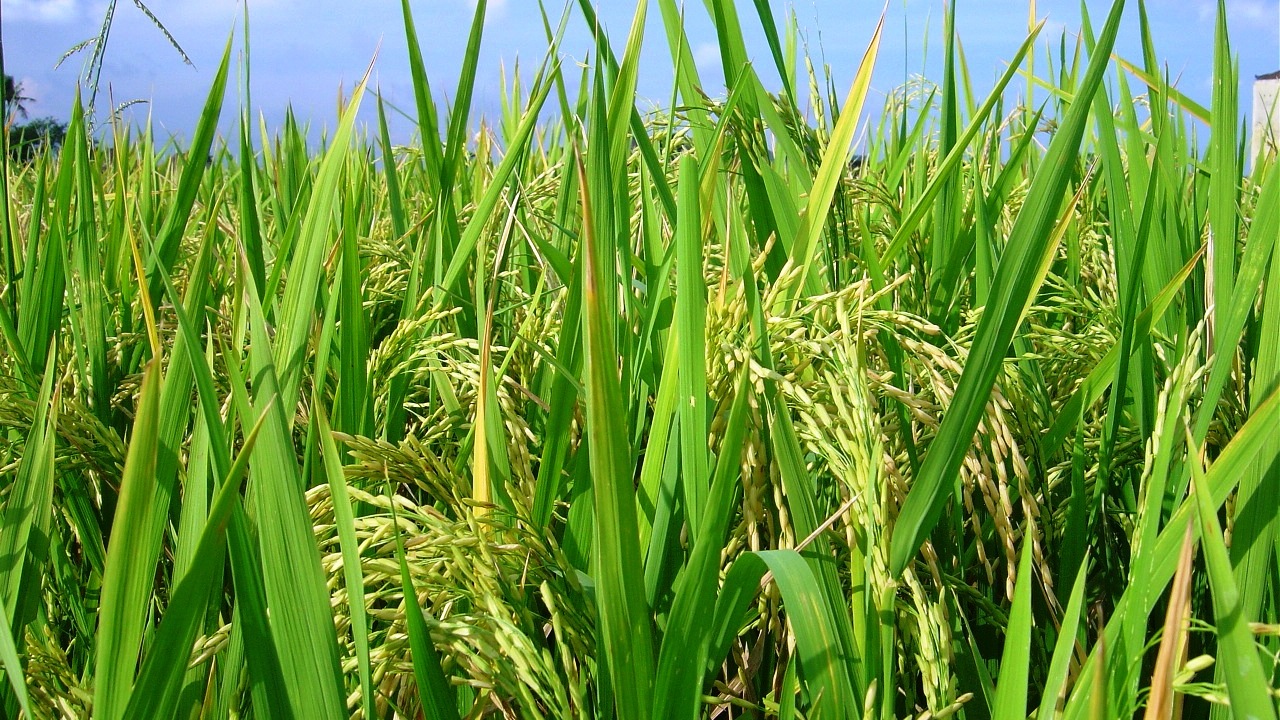
There is a silent revolution taking place in India — not in the realm of space technology or IT, which are now ubiquitous, but in the fields of rural India. Yes, we are now the world’s largest producer of rice, and Basmati has become a brand that represents India in 172 countries where our world-famous Basmati rice is imported.
As of 2026, India’s rice reaches more than 172 countries. India remains the world’s largest rice exporter, accounting for approximately 40 per cent of the global rice trade.
This is no mean achievement. There was a time when India was dependent on food imports and food sovereignty seemed a distant dream. As the most populous country in the world, food security is our primary concern. With the Green Revolution, things changed forever: India became self-reliant in foodgrain production — mainly wheat and rice - and, over time, thanks to research and development in agriculture, we have reached a stage where we can not only feed our own people but are also net exporters, earning precious foreign exchange. For decades, China held the top position, backed by scale, technology, and state-led planning. That India has now surpassed it is a testament to sustained policy focus, farmer resilience, and the quiet but transformative role of agricultural science. Rice is the staple food for a majority of India’s population and the backbone of rural livelihoods across vast regions. To lead the world in its production is, therefore, both symbolically and materially significant.
This feat reflects the cumulative impact of investments made since the Green Revolution — and their constant upgrading. It has not happened overnight. Persistent efforts - high-yielding seed varieties, improved irrigation coverage, mechanisation, and assured procurement through the Minimum Support Price system — have created a stable production ecosystem. The recent release of 184 new crop varieties by the Indian Council of Agricultural Research - many of them climate-resilient and pest-resistant - is proof that India is adapting to contemporary challenges rather than resting on past successes. The fact that over 3,200 high-yielding varieties have been notified in the last decade alone highlights the momentum behind this transformation.
From a food security perspective, the implications are profound. Adequate foodgrain stocks provide a buffer against global supply shocks, climate-induced crop failures, and geopolitical disruptions. Domestic food self-sufficiency is a strategic asset, not merely a welfare concern. However, there is still a long road ahead to true food sovereignty.
India’s food basket remains skewed. Pulses and oilseeds — critical for nutritional security and import reduction — continue to lag behind.
Self-reliance in food production cannot be measured by volume alone; it must encompass diversity, nutrition, sustainability, and farmer incomes. We now need a second-generation Green Revolution — one that is more environmentally friendly and sustainable.