India and the EU: Charting new pathways
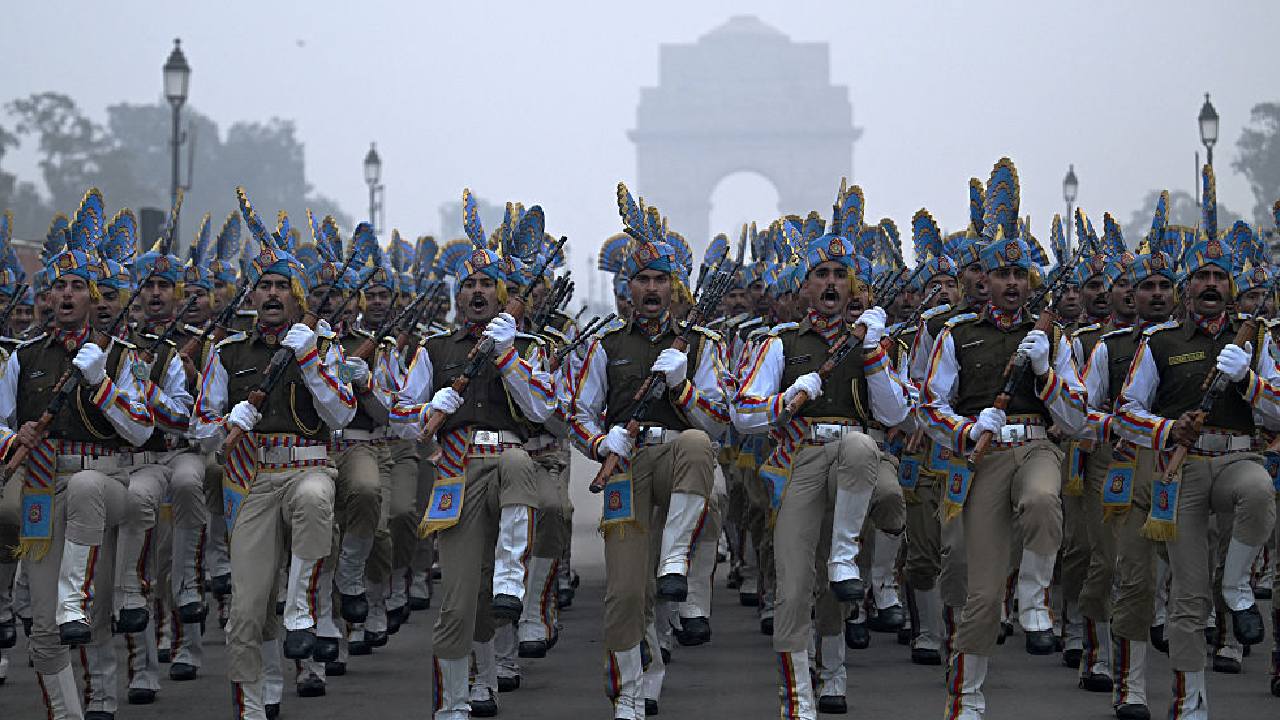
When António Costa, President of the European Council, and Ursula von der Leyen, President of the European Commission, landed in New Delhi as the chief guests at the Republic Day parade, it signalled a breakthrough in the EU-India trade pact, a pact that has been in the making for over two decades.
The trade pact is a strong statement that a new world is slowly yet surely emerging, and Asia is a major player in this world order. When India and the European Union announced the long-awaited Free Trade Agreement (FTA) as a done deal, it signalled a major shift in the stance of the European Union (EU), as this deal is not new thinking but the shaping of a long-drawn conclusion that the two economies must sync for the betterment of both. The win-win for both cannot be overstated. India gets access to huge European markets, and Europe gets economical goods and services. In today’s world, the rules of trade and engagement are being rewritten by US President Donald Trump. In a bid to consolidate the US position, he has rattled many, including his close allies. European countries, which have hitherto relied heavily on trade, are now finding it tough going, as new trade tariffs are hurting.
Under the weight of protectionism, geopolitical rivalries and supply-chain disruption, the India-EU pact gives a fresh lease of life to businesses on both sides while simultaneously reshaping the emerging world order. For India, the agreement is a respite, as it provides an alternative to US markets, which are practically out of bounds due to high reciprocal tariffs, as it opens the doors to the world’s largest single market. Moreover, it can move up the value chain and attract high-quality investment from Europe, which it needs to take its economy to the next level.The benefits to the EU are also no less. The EU has relied heavily on the US and China to provide for its demands for goods and services. The US is now using this to leverage its geopolitical ambitions, while the Chinese onslaught is equally disturbing. Here, India comes as a respite, as it represents scale, growth and strategic autonomy rolled into one.
Though, as in any other negotiated pact, there is a price to be paid and concessions to be made. India will have to substantially lower tariffs on automobiles, machinery and select agricultural products such as wine and spirits, long shielded by high duties. But that loss would quickly be offset by other advantages coming with the agreement, like increased exports to the EU and the flow of investments. Indian pharmaceuticals, textiles, engineering goods and agricultural produce, along with expanded opportunities in services such as telecoms, maritime transport and financial services, would find it easier to reach the European market. Though the deal will take at least a year to become operational, as it must be ratified by the European Parliament, it is all about hope and uplifting morale in difficult times. While the EU hedges against an unpredictable US trade policy and the flood of low-cost Chinese goods that has unsettled European industry, Indian manufacturers and service providers get a vast playing field. If executed with care and confidence, the FTA could anchor a new axis of trade.