Has social media changed us or only revealed us?
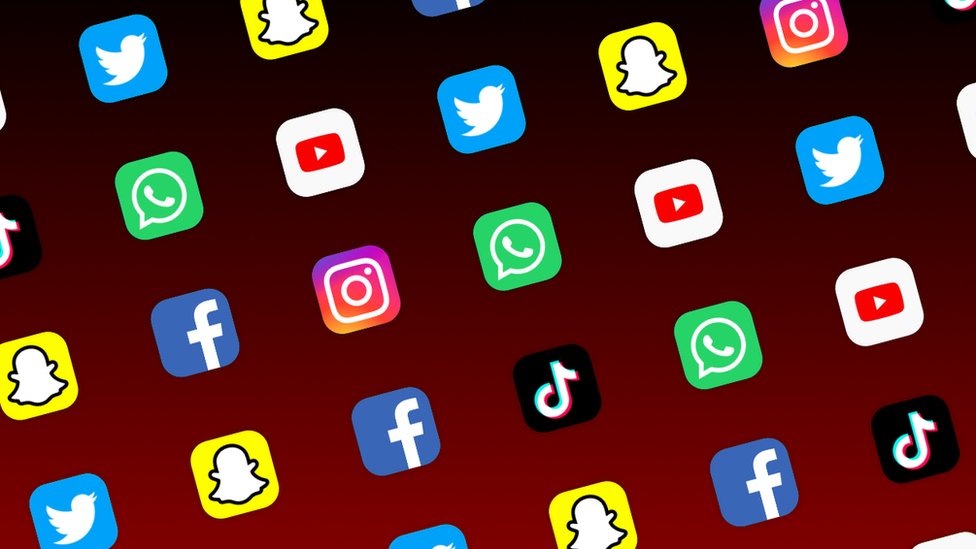
Ever since social media slipped quietly into our lives, the world seems to have lost some of its calm. My own relationship with it has long been uneasy. Over the years, I have called it many things despot, a double-edged sword, a deceiver, even a destroyer. I blamed it for much of what feels unsettling about modern life: our impatience, our restlessness, our hunger for validation, our carefully curated selves. I came to see digital platforms as villains that reshaped human behaviour, diluted authenticity, and turned us into performers rather than participants in our own lives.
Then a recent conversation unsettled this certainty. Social media, someone remarked, has not changed us; it has exposed us. The fakery was always present. What is new is that it is now visible, archived, and endlessly replayed. That thought lingered and opened the door to a more uncomfortable insight. Long before social media existed, we already knew how to perform. We altered our tone depending on the room, softened opinions, exaggerated achievements, hid envy, and polished our reputations. Drawing rooms, offices, family gatherings, and social circles all came with unwritten scripts. What we shared, what we concealed, and what we revealed selectively were negotiated face-to-face. What has changed is not the instinct itself, but the medium and the scale at which it now operates. Social media did not invent the desire to be admired; it amplified it. It did not create comparison; it made comparison constant and, at times, cruel. It did not teach us to sculpt ourselves; it simply made the chiselling relentless and public.
The audience is always present, and the performance no longer pauses when the day ends. We dance continuously, often to tunes set by strangers. In earlier times, one could step away from scrutiny. Today, absence itself is noticed. Silence invites suspicion. Inactivity demands explanation. We are not merely seen; we are expected to remain visible. As a result, the boundary between the inner self and the projected self grows increasingly fragile. It is tempting to dismiss this as hypocrisy, but that would be both harsh and incomplete. Much of what is labelled “fake” is, in reality, fear-fear of being irrelevant, forgotten, or left behind in a world that equates visibility with worth. The curated happiness, the exaggerated confidence, and the relentless optimism are often less about deceiving others and more about persuading oneself. Social media has not fundamentally altered our behaviour; it has complicated it by amplifying our anxieties.
The human self has always been layered, capable of generosity and malice, honesty and evasion. What the digital age has done is collapse these layers into a single, continuous space of posturing. The private and the public now coexist uneasily. A thought meant for reflection is posted for affirmation; a moment meant to be lived is repurposed for display. In this compression, something subtle is lost—the freedom to be imperfect and unseen.If social media has changed us at all, it is in how readily we accept scrutiny. We anticipate reactions, frame ourselves in advance, and begin to live from the outside in. The real question is not whether social media has made us more fake, but whether it has reduced our tolerance for ambiguity and unvalidated lives. Perhaps the task now is not to dismantle the platforms, but to reclaim moments where we are unmeasured, unperformed, and quietly ourselves.
The writer is a Dubai-based author, columnist, independent journalist and children's writing coach; views are personal