Greenland and the return of imperial temptation
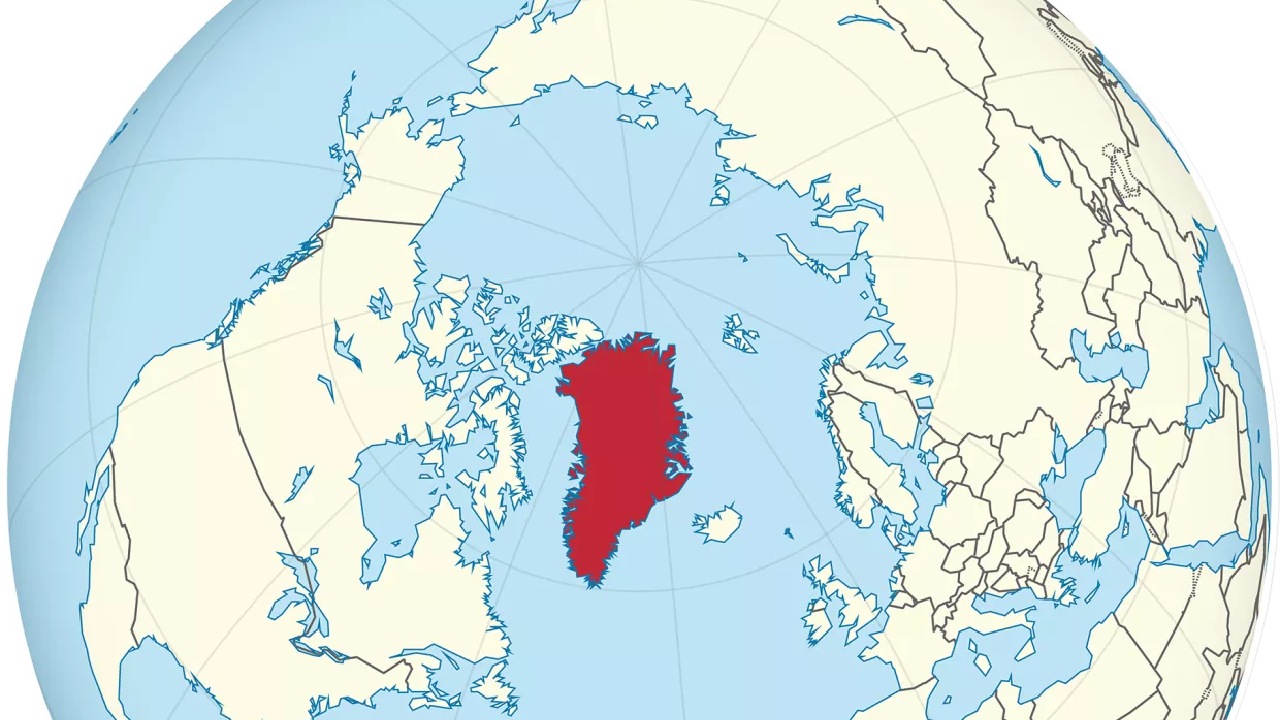
Emboldened by his Venezuela misadventure, which despite adverse world opinion has left the US unscathed, Donald Trump is now seriously contemplating the takeover of Greenland from Denmark. Though he had earlier also made such statements, nobody took him seriously, as why would a country do such a thing in its right mind?
But now that assumption has fallen flat after the Venezuela attack and the capture of its President in the most brazen way. This has left Europe wary of Donald Trump, as he often cannot make a distinction between friends and foes and does not take even his closest allies into confidence when he feels that they would not be supportive. Trump’s bid for Greenland reveals not only his hawkish mindset but also poses grave questions for international law, NATO, and the Western alliance itself. It is true that Greenland, an autonomous territory under Denmark, has long held strategic value.
During the Second World War, it was a critical Atlantic outpost, and today it hosts a US military base for missile early-warning systems. With climate change melting the Arctic ice, Greenland assumes even more importance as new sea routes are opening. Besides, the island has vast reserves of rare earth minerals, oil and gas-resources crucial for advanced technologies and defence industries. It is what every world power wants-China and Russia are keenly aware of this, and so is Trump. Trump’s justification for taking Greenland is US national security. He argues that the United States must control Greenland to secure the Arctic and Atlantic sea lanes. However, on close scrutiny, that is not a valid argument. The US already enjoys extensive military access under long-standing agreements with Denmark, a NATO ally. If Washington believes the strategic importance of Greenland is increasing, it can reinforce its presence without any hassle through NATO mechanisms.
The reasons appear more personal. Trump wants to step into the shoes of 19th-century American presidents who expanded territory through purchase or force and equated national greatness with physical expansion. His obsession with legacy-his desire to stand alongside Jefferson or McKinley-seems to be feeding an imperial imagination. But little does he realise that things have changed drastically in the 21st century. He is not the only big player on the block; Russia and China are formidable powers. The repercussions of any serious attempt to acquire Greenland would be profound. A forced takeover would shatter NATO.
Even coercive economic or political pressure would poison US-European relations. Allies who once followed Washington would begin to see it as a threat rather than a protector. There are also legal and moral implications. International law rests on the principle of sovereignty and consent. Treating territory as a commodity to be bought-or worse, seized-undermines the very ‘rules-based order’ the United States claims to defend. It would usher in a new era in geopolitics where power, not law, determines the contours of the world map.