Germany bets big on India
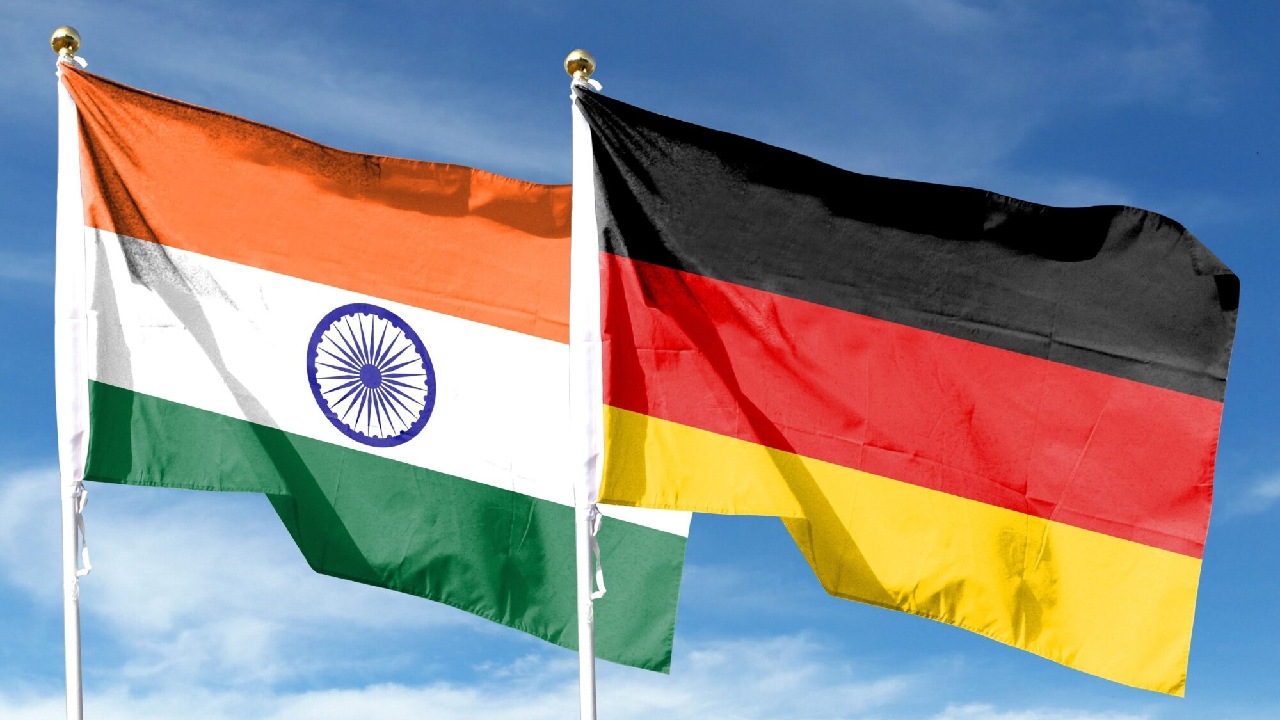
The world has changed beyond recognition when it comes to geopolitics. The last ten years have been dramatic. The rise of China as a formidable superpower, the cracks in NATO, the decline and desperation of the US, and the emergence of the Global South are too visible to ignore. New alliances are thus coming up as the older ones become weak and irrelevant.
This is indeed visible in Germany's shift towards India, pronounced by the German Chancellor's presence in India on the occasion of the Vibrant Gujarat Summit. The choice of India for German Chancellor Friedrich Merz's first visit to Asia was not a matter of protocol; it was a statement of intent. Undoubtedly, Berlin is looking east, and New Delhi is emerging as a partner it can place long-term bets on. Prime Minister Narendra Modi's description of the India-Germany economic relationship as “limitless” summarises the emerging bond between Germany, the manufacturing giant of Europe, and India, an IT powerhouse of Asia. What began decades ago as a largely transactional partnership-machines, automobiles and chemicals-has matured into a relationship based on mutual respect and expediency. Defence cooperation, joint work on critical minerals, healthcare, artificial intelligence and clean energy are widening the scope of cooperation. The Joint Declaration of Intent on defence, signed during this visit, marks a quiet but important step in that direction. For Germany, an export-driven economy is under strain, as it can no longer depend on the US and Europe alone to sell its goods. The big question is why Germany is choosing India over China. The answer lies in the fact that China is currently struggling with its supply lines, whereas India offers scale, growth and political stability without the strategic unease that comes with ties with China. With India growing at over 8 per cent and steadily improving its regulatory environment, German industry sees not just a market, but a base for manufacturing, innovation and talent.
For India, the need for German technology, its forays into green initiatives and its expertise in manufacturing large machines cannot be overstated. Besides, this partnership diversifies India's trade and lessens its dependence on the US, which is currently highly unpredictable. The possibility of an EU-India free trade agreement, floated during the visit, adds urgency to this moment. If concluded, it would reshape trade flows on both sides. However, challenges remain, and India will have to weigh what it can compromise. Europe wants lower tariffs on cars, medical devices and high-value consumer goods. If India allows that, then it must push for better access for labour-intensive exports. The negotiations will be tough, but a window of opportunity has definitely opened. India will have to tread with caution, as differences over carbon levies, steel imports and intellectual property will test negotiators' patience. Germany's gentle but persistent urging for India to reduce its reliance on Russian energy and arms touches a sensitive nerve in New Delhi. For India and Germany, closer ties are not just about growth figures or trade balances; they are about preserving room for cooperation in a world that is becoming more inward-looking.