From right to work to right to rest: Rethinking digital-age labour norms
In an age where work travels home in our pockets, the boundary between professional obligation and personal life has become increasingly fragile. Smartphones, instant messaging platforms, and remote-working technologies have not only transformed how we work, but they have also transformed when we work. The result is a culture of permanent availability, where logging off is often perceived not as rest, but as neglect. Against this backdrop, the idea of a “Right to Disconnect” has emerged as a critical intervention in contemporary labour discourse.
During the last Winter Session of Parliament, a Private Member’s Bill, introduced by Smt Supriya Sule in the Lok Sabha, drew attention for addressing this lived reality. The Bill, titled “The Right to Disconnect Bill, 2025”, seeks to grant employees a legal right to disengage from work-related digital communications beyond designated working hours. At its core, it aims to restore a healthier work-life balance in a hyper-connected world, where flexibility has quietly transformed into round-the-clock work expectations.
Health toll of being ‘Always Online’
Several studies show that excessive digital connectivity has serious physical and mental health consequences. Prolonged screen exposure leads to eye strain, musculoskeletal pain, and disrupted sleep. Constant online engagement is also linked to anxiety, depression, cardiovascular disease, obesity, and burnout. Reduced attention spans, social withdrawal, and emotional fatigue are now widely recognised outcomes of perpetual notifications and digital overload.
These findings often lead to a familiar prescription: reduce social media usage. While this advice is sound, it is also incomplete. Digital connectivity today is not limited to voluntary leisure activity. A significant portion of screen time is driven by professional requirements-late-night emails, assignments, and messages on weekends, calls, and the expectation of an instant response.
Rising burnout and disturbing trends in India
The pressures of a 24×7 work culture are no longer limited to stress or burnout-they now carry serious human costs. In recent years, India has witnessed cases of employees, particularly in high-pressure sectors like IT, dying by suicide after prolonged overwork, unrealistic targets, and constant digital surveillance. These incidents are a stark reminder of how constant connectivity can push individuals beyond their emotional and physical limits.
Pandemic-era lessons and the erosion of boundaries
The COVID-19 pandemic, which accelerated the shift to hybrid and remote work models, blurred boundaries between work and personal life. Employees routinely responded to emails, calls, and messages late into the night. What began as an exceptional response to an unprecedented crisis, however, gradually became a norm. This Bill seeks to reverse that erosion by clearly defining when a worker is not obligated to engage in work-related communication.
From the right to work to the right to unwork
This is where the Right to Disconnect intersects with the broader Right to Health. Health is not merely the absence of illness; it includes mental well-being, adequate rest, family life, and the ability to recover from work. If employees remain digitally tethered to their workplace beyond official hours, the right to health becomes hollow. The right to disconnect, therefore, is not a competing claim, but an extension of health protection in the digital age.
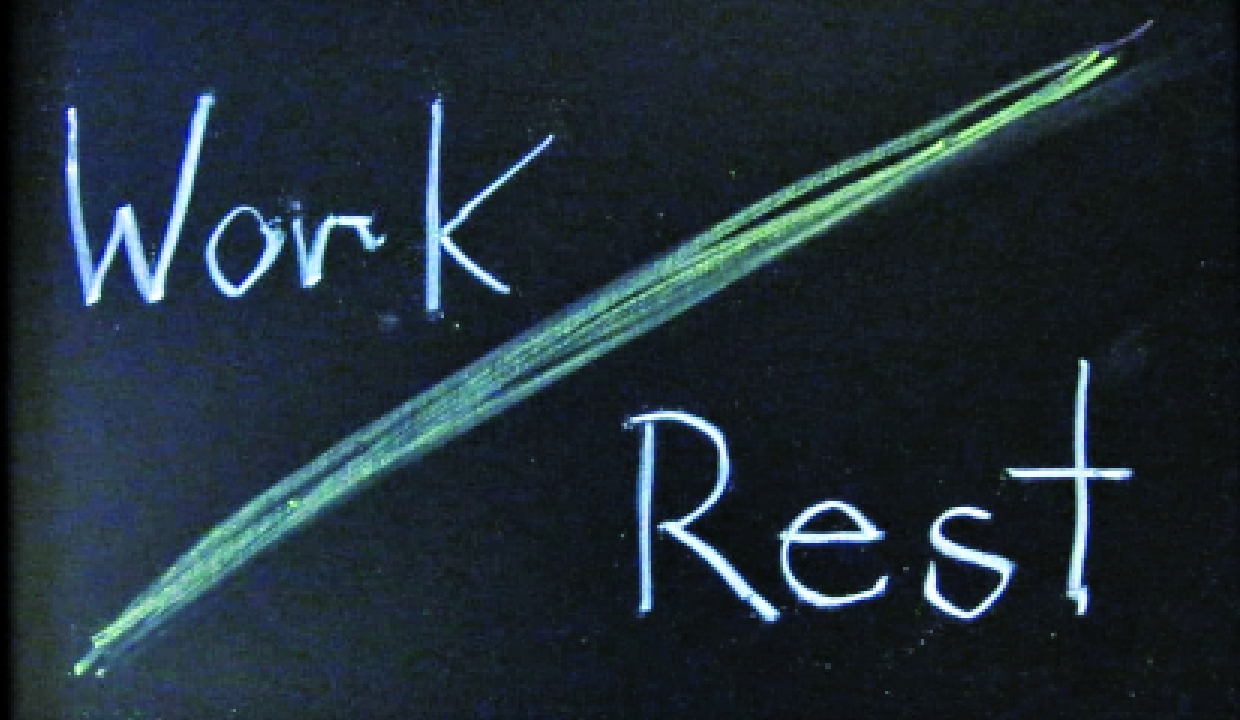
At a deeper level, the debate reflects a shift from the “right to work” to the emerging idea of a “right to unwork.” While the right to work ensures livelihood and dignity, the right to unwork recognises that rest and disengagement are not indulgences but essential conditions for sustainable productivity. In a digital economy, unwork is not idleness; it is recovery.
Global practices and the challenges ahead
Globally, variations of the right to disconnect already exist in France, Belgium, Italy, Spain, Ireland, Australia, and parts of Canada. Evidence from some of these countries shows that, while such measures do not entirely eliminate after-hours work-related communication, they have a meaningful positive impact on work-life balance, health, and job satisfaction.
Despite the positive impact, the right to disconnect is still not widely adopted because constant availability has become normalised in modern work culture, where quick responses are often seen as a sign of commitment. For many employees, particularly in white-collar, IT, consulting, media, and gig-economy sectors, disconnecting from work is not a matter of choice but of risk. The practical application of this right also becomes complicated in a globalised economy, where companies operate across time zones and rely on round-the-clock responsiveness, making strict restrictions on after-hours communication hard to sustain. Further, labour laws remain out of sync with the changing rhythms and expectations of online work. The right to disconnect cannot completely stop after-office work, but with such legislation in place, it can at least give employees the legal right to switch off. Without this protection, many workers feel afraid to log off because they worry they will be seen as less dedicated.
India discussing this issue marks an important moment in acknowledging the pressures of modern work culture. For a nation with a rapidly expanding digital workforce, this proposal reflects a forward-looking approach to labour welfare.
The writer is the Additional Director, Research Division, Rajya Sabha Secretariat, Parliament of India; Views presented are personal.