Economic survey and a smart budget
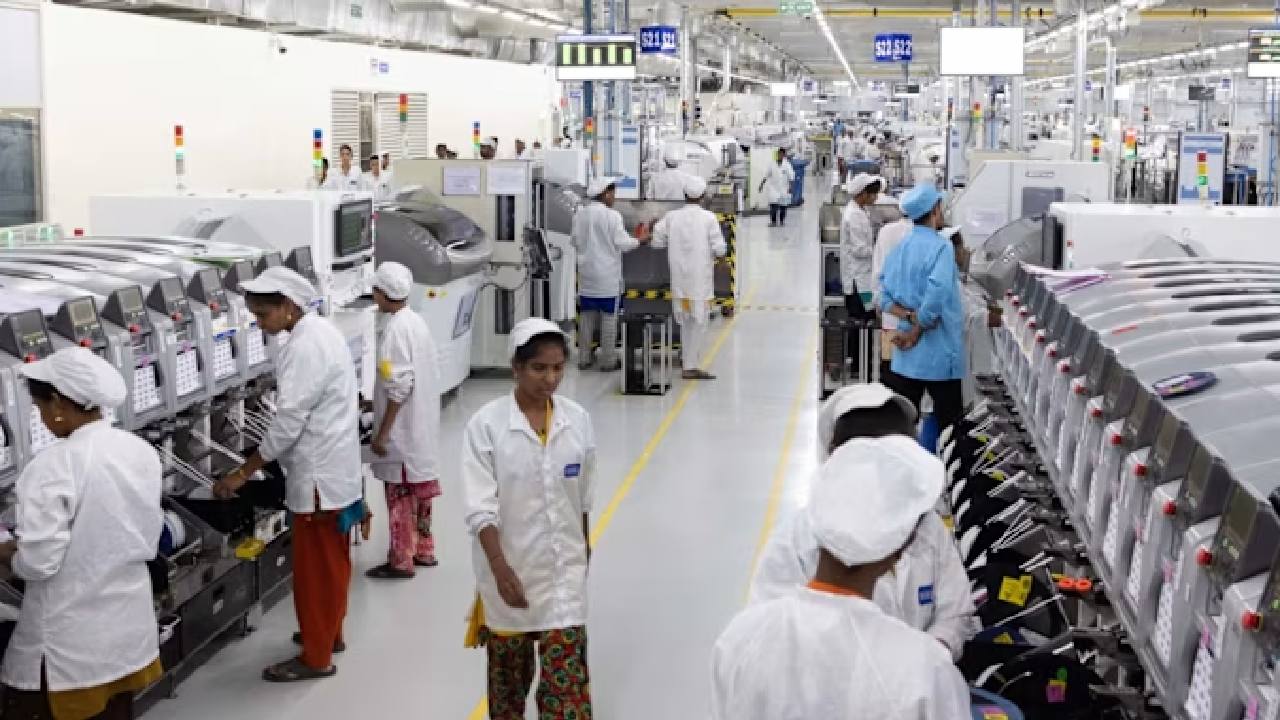
The Budget session of Parliament is already on. In a couple of days we shall have a Budget that would give direction to India’s economy for the coming financial year. As is customary before the Budget, the Economic Survey 2025-26 was tabled ahead of the Union Budget. This survey is a kind of report card and also a guiding manual for Budget-making. This year’s Economic Survey is reassuring and firmly establishes that India’s economic growth is on the right track, though with caveats. The Survey calls for ‘strategic sobriety’ as global signals are not very encouraging and high volatility is predicted in the year to come. The macro numbers are congratulatory. Growth in FY26 has been a steady 7.4 per cent, inflation has eased, and public finances are on a firmer footing, with the fiscal deficit gliding down to 4.4 per cent of GDP. Female labour force participation has risen dramatically, and tax collections have improved. The Government’s focus on capital expenditure, infrastructure, and digital public goods has indeed resulted in strong macroeconomic indicators. However, there are signals that this could be derailed if steps are not taken to address the issues which are withholding its real potential. Yet the Survey is clear that the biggest risks do not lie at home; it is uncertainty in the global markets which can throw a spanner in the works. Global finance may not be a reliable source of “easy money”. This is also related to geopolitics and the US approach to weaponise finance as a tool of its diplomacy. Besides, the Survey report gives a clear perspective of the shape of things to come. The falling rupee is a symptom of external turbulence. Therefore, the Survey suggests that India must build buffers — in foreign exchange, in supply chains, and in strategic manufacturing capacity. If the country is to sustain momentum, it must invest in manufacturing, which can ease pressure on the rupee and tilt the balance of payments in its favour. Services alone cannot substitute for factories when it comes to trade balances or substantial employment generation. The direction for the Budget is clear: give incentives for manufacturing, rationalise customs duties for MSMEs, and align industrial policy with global value chains. The Survey also widens the lens beyond GDP. It warns against the mismatch in the skills of Indian workers and those required in the age of AI. This could not only lead to an unemployable workforce but also create large-scale unemployment among white-collar professionals. The Survey also flags agriculture’s structural distortions.
The times are changing fast, and new technologies demand a new set of workforce skills and resources. Without minerals, logistics, and storage solutions, India will not only slide down on growth but will lag behind others who reap the benefits of aligning with the latest trends. AI without skilling, data, and domestic computing capacity will deepen inequality. Agriculture without market reform will keep farm productivity low. The way forward is clear: We need a Budget that protects macro stability, doubles down on manufacturing, builds strategic buffers, and prepares India’s workforce for a changing world; otherwise, India’s growth may slowdown substantially.