Cross-border strikes and a fragile region
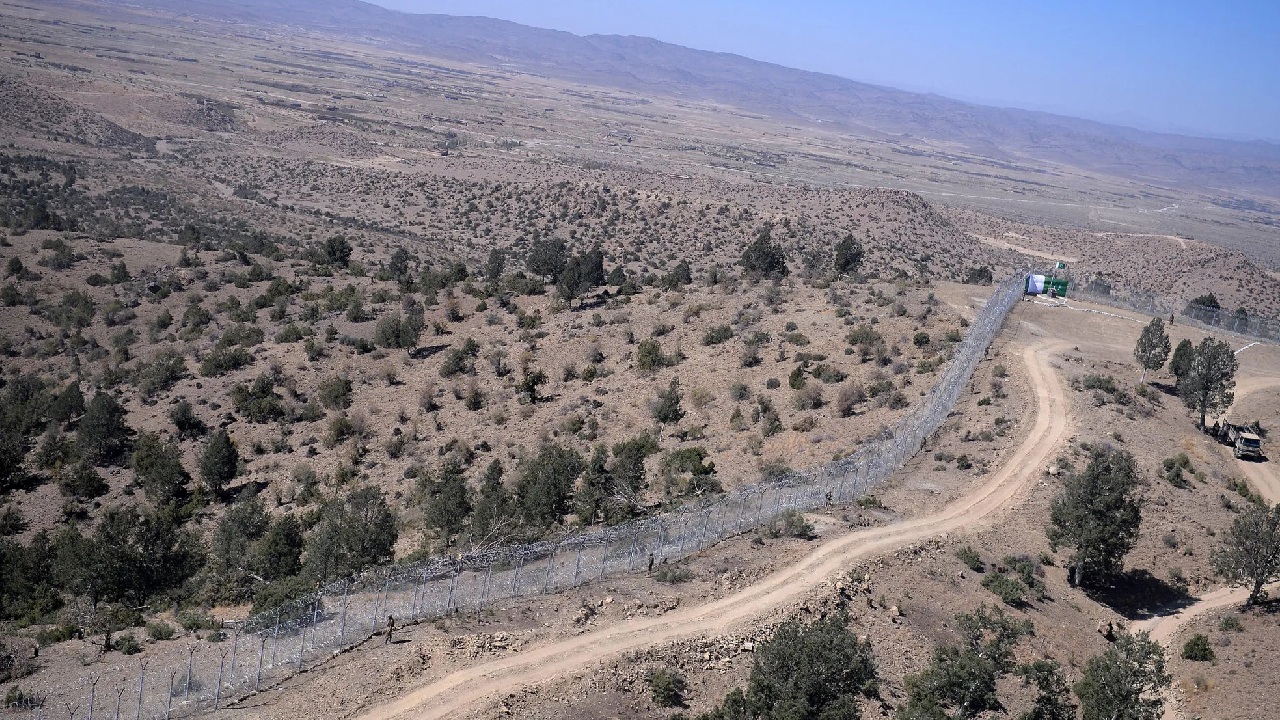
Pakistan is once again messing up its relations with its western neighbour, Afghanistan. Though the relations between the two countries have never been cordial and border skirmishes are common, the recent airstrikes violating Afghanistan’s sovereignty take the conflict to the next level.
The seeds of conflict go back to the time when the Durand Line was drawn way back in 1893 by the British, which Afghanistan refused to recognise. After 9/11, Pakistan sided with the US in its operations against Afghanistan; the later Taliban phase also led to much consternation.
In recent times, following the Taliban’s return to power in 2021, militant attacks inside Pakistan increased. Islamabad has since carried out cross-border strikes, claiming self-defence.
At the heart of the dispute lies the unresolved question of the Durand Line. This territorial disagreement is compounded by accusations of militant safe havens and cross-border insurgency, with each side blaming the other for harbouring armed groups that carry out attacks across the frontier. Decades of conflict have also generated massive refugee flows, placing social and economic pressure on Pakistan.
The bigger issue, however, is that escalation in the region is a threat to its peace and stability. The region remains volatile, and any escalation could invite the involvement of bigger powers to exploit the situation. In this context, India’s sharp condemnation of Pakistan’s recent airstrikes on Afghan territory is rightly placed as it underscores the gravity of a situation that threatens to destabilise an already volatile region.
The strikes, which reportedly targeted militant hideouts but resulted in civilian casualties, including women and children during the holy month of Ramadan, have drawn criticism. India has described the action as yet another attempt by Pakistan to “externalise its internal failures” and has reiterated its support for the sovereignty, territorial integrity and independence of Afghanistan. Islamabad claims that the strikes were conducted in retaliation for recent militant attacks within its territory and that dozens of terrorists were eliminated, but this tells only a partial truth. However, the deeper context suggests a more complex motive. Pakistan has been grappling with rising internal insecurity, particularly in its border regions, where militant groups have intensified attacks against security forces. By striking across the border, Islamabad appears intent on sending a message of resolve to domestic audiences. The airstrikes thus shift the focus from internal governance and intelligence lapses to an external adversary. Second, they pressure the Afghan authorities to take stronger action against groups allegedly operating from their soil.
Yet, such unilateral military actions risk violating Afghan sovereignty and undermining fragile diplomatic channels. The airstrikes are an outright act of violation of the sovereignty of a nation, with a broader humanitarian dimension as they take place in the holy month of Ramadan. Interestingly, Pakistan’s denunciation of cross-border terrorism underscores a striking irony: the very strategy it once employed now appears to be rebounding upon it. Karma!