City power demand hits 5,596 MW
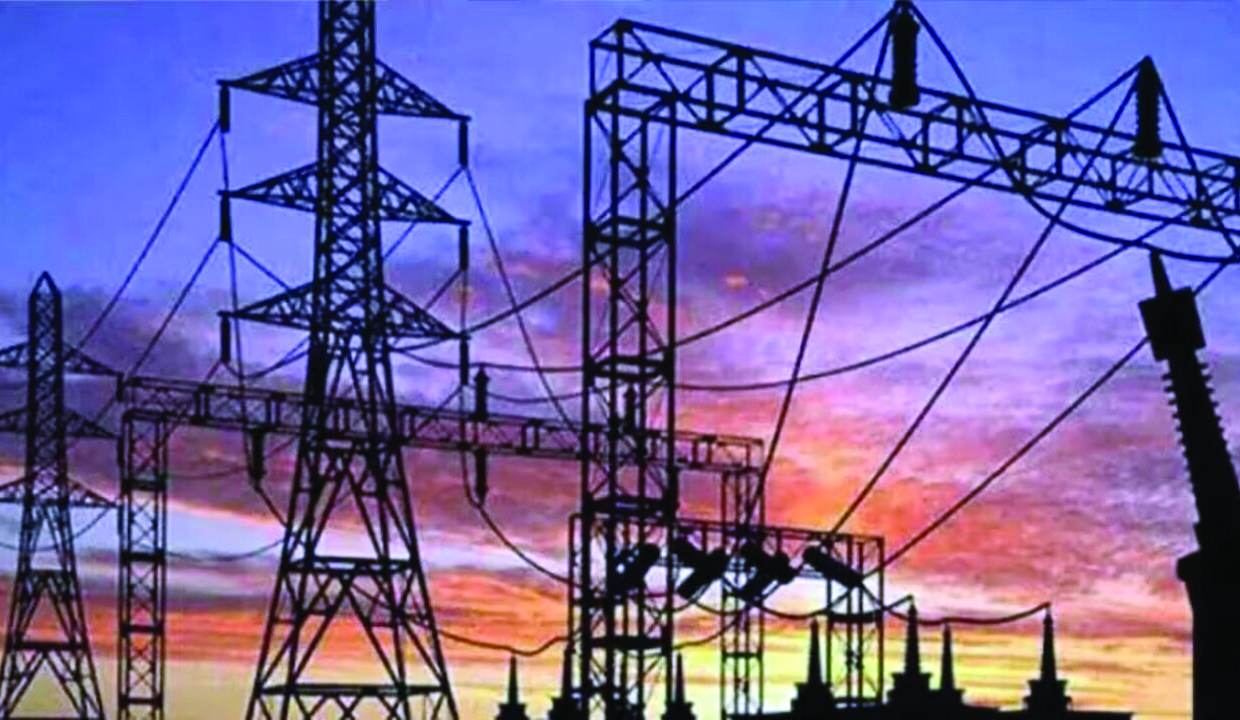
With a cold wave sweeping the national capital, the power demand on Friday touched 5,596 MW. The consumption clocked 5,603MW on Thursday and the distribution companies successfully met the peak hour demand. This winter, as per projections by the State Load Dispatch Centre (SLDC), Delhi’s peak power demand is expected to touch around 6,000 MW, setting a new seasonal high. Dense fog enveloped the national capital on Friday morning as cold day conditions prevailed.
According to Power Distribution Companies, or Discoms, the demand peak was 5,603 MW on Thursday. A BSES spokesperson said that the BRPL and BYPL discoms were committed to ensuring that their more than 53 lakh consumers continue to avail a reliable electricity throughout the winters. The BSES discoms successfully met the peak demands in their areas, the person said. The surge in power demand reflects evolving consumption patterns driven by prevailing weather conditions and increased electricity usage across sectors, Tata Power Delhi Distribution Limited (TPDDL) said in a statement.
The discom said that despite the sharp rise, TPDDL successfully met the increased demand in its distribution area, which peaked at 1,741 MW, the season’s highest till date, without any outages or network constraints.
BSES said over 52 per cent of its winter power comes from renewable sources, and is at the forefront of Delhi’s green energy transition. Of around 3,900 MW of projected winter demand across the BRPL and BYPL areas, up to over 50 per cent will be met through renewable and clean energy sources — solar, wind, hydro, waste-to-energy, hybrid —, the discom said.
Last winter, Delhi’s peak power demand stood at 5655 MW. Within the BSES area, winter peaks had reached 2431 MW in BRPL and 1105 MW in BYPL. This year, they are projected to rise further, to around 2570 MW for BRPL and around 1350 MW for BYPL. To ensure an uninterrupted and quality power supply during the winter period, BSES discoms have made comprehensive arrangements — ranging from long-term tie-ups and green power sourcing to banking, storage, and AI-based forecasting.
BSES uses a combination of advanced statistical models and Artificial Intelligence / Machine Learning tools to predict demand with precision. These models factor in temperature, humidity, wind speed, cloud cover, rainfall, and human behaviour (such as holidays or events) for forecasting on multiple time scales — day-ahead (96 time-slots per day), intra-day, and medium-term (fortnight to one year).
According to the India Meteorological Department (IMD), the minimum temperature at Safdarjung was recorded at 9.1 degrees Celsius. Other stations logged similar readings, with Palam and Lodhi Road recording a minimum of 9 degrees Celsius each, Ridge 8.7 degrees Celsius, and Aya Nagar 8.1 degrees Celsius. The weather office has said a cold wave is likely to affect isolated places between January 2 and January 5.