Beyond cover and counts: India’s forests need better metrics
While the recent move to open up forest plantations to private participation has triggered debate, it also offers a timely opportunity to revisit a more fundamental concern: how India understands, measures and manages its forests.
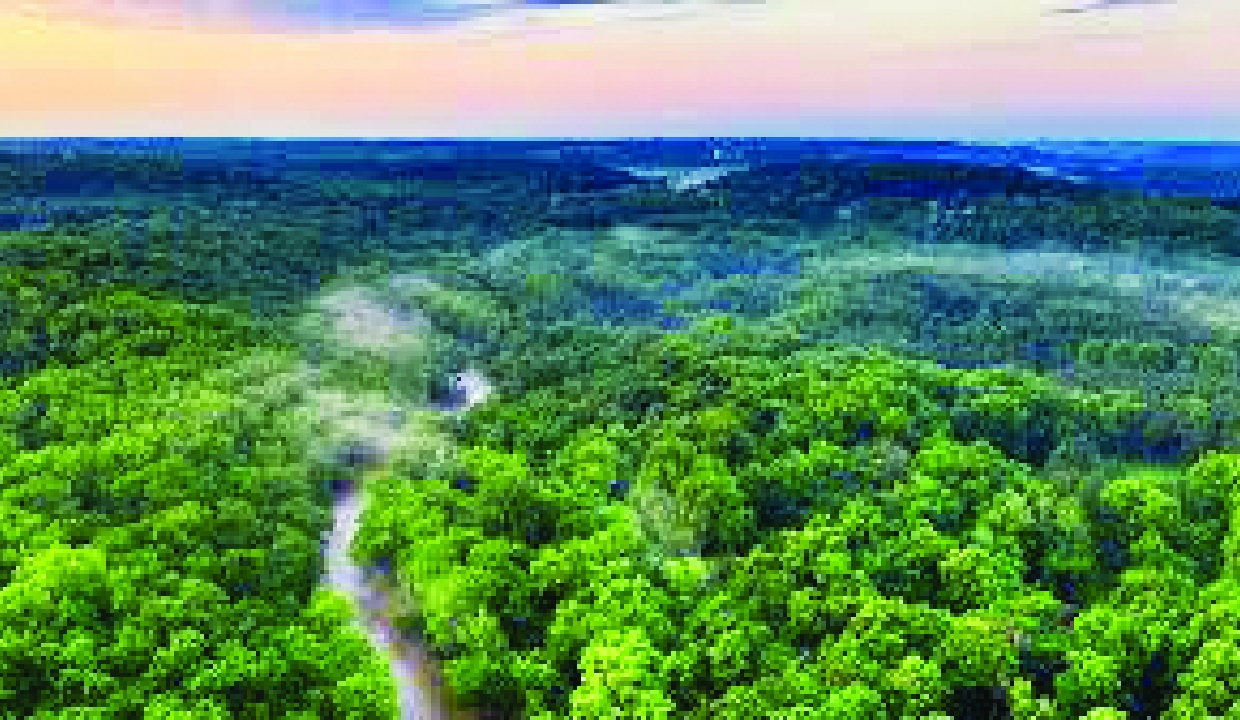
India’s improving global forest rankings are often cited as evidence of policy commitment and administrative success. With more than one-fifth of its geographical area under forest cover and an ambitious national target of one-third, the country appears to be on a steady trajectory. Yet, beneath this narrative lies a more complex reality. The central question is not whether forest cover is increasing, but whether India is adequately capturing the full value and sustainability of its forests.
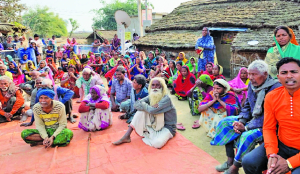
Forests in India are no longer just ecological assets. They are central to economic growth, social well-being, and climate commitments. They provide a wide range of ecosystem services, from carbon sequestration and biodiversity conservation to water regulation and climate resilience. At the same time, they sustain millions of livelihoods. Forest-dependent communities derive a significant share of their income from these resources, making forests integral to both environmental and developmental goals.
Given this multi-dimensional role, the need to monitor and report forest sustainability across ecological, social and economic dimensions becomes critical. However, India’s current frameworks remain disproportionately focused on ecological indicators. While these are essential, they offer only a partial picture.
The country relies primarily on two institutional mechanisms for monitoring and reporting forest resources. The Forest Survey of India publishes the India State of Forest Report on a biennial basis, providing detailed assessments of forest cover, tree cover, carbon stock, biodiversity and related parameters. Alongside this, the National Working Plan Code lays down the scientific principles for forest management and guides the preparation of working plans at the divisional level.
Over time, these frameworks have evolved and improved, particularly in their ecological assessments. Yet, they continue to fall short in capturing the social and economic dimensions of forests. While recent iterations have begun to acknowledge these aspects, the depth of assessment remains limited. There is a clear absence of well-defined indicators, standardised methodologies, and robust data collection systems for measuring social and economic outcomes.
This gap is significant. Forests contribute not only to environmental stability but also to livelihoods, income generation, and local economies. Issues such as community participation in forest management, tenure rights, conflict resolution, and capacity building are central to sustainable forestry but are not systematically captured. Similarly, economic aspects such as the value of non-timber forest products, financial flows, cost of forest management, and revenue generation remain underreported in national databases.
The consequence is a fragmented understanding of forest sustainability. When policy discourse is driven largely by ecological metrics, there is a tendency to equate forest expansion with sustainability, without sufficient attention to quality, diversity, or socio-economic outcomes.
Addressing this requires strengthening existing monitoring and reporting systems rather than replacing them. A key priority is the development of a comprehensive and standardised framework that integrates ecological, social and economic indicators. However, this transition is not without challenges. Forest departments often face constraints in terms of human resources and technical capacity. Building expertise within the system will require targeted training and capacity development initiatives. At the same time, identifying appropriate stakeholders for collecting data on social and economic indicators is essential. Effective coordination among departments and institutions will be critical to ensure consistency and reliability of data.
Equally important is the need to institutionalise these processes. Incorporating modules on monitoring and reporting frameworks into the training of forest officials can help reduce inconsistencies and improve data quality over time. Standardised platforms for data collation and reporting would further enhance transparency and enable better decision-making.
Encouragingly, there are emerging efforts to address these gaps. Recent research has proposed comprehensive frameworks that include a wide range of indicators across ecological, social and economic dimensions. These include measures of livelihood generation, employment patterns, occupational health and safety, and community participation, alongside economic indicators such as financial flows, value of forest-based enterprises, and cost structures of forest management.
Such approaches recognise that sustainability cannot be assessed through a single lens. They also highlight the importance of capturing both quantitative and qualitative aspects of forest governance. By integrating these dimensions, it becomes possible to develop a more accurate and holistic understanding of forest resources.
The idea of an indicator-based forest sustainability index merits serious consideration in this context. Other sectors such as energy, water, education and health have already adopted similar approaches to improve governance and accountability. A comparable framework for forests could enhance transparency, support evidence-based policymaking, and enable better tracking of progress against national and global commitments.
This is particularly relevant in the context of India’s climate goals. Robust monitoring and reporting systems are essential for effective carbon management and for meeting Nationally Determined Contributions under the Paris Agreement. They also play a crucial role in advancing broader sustainable development objectives, including those related to poverty reduction, gender equality and economic growth. The ongoing debate on private sector participation will continue, as it should. But it must not overshadow the larger issue. The real challenge lies in moving beyond a narrow focus on forest cover towards a more comprehensive understanding of forest sustainability.
India does not lack intent or institutional frameworks. Forests must be seen not just as areas to be counted, but as systems to be understood, managed and sustained across multiple dimensions. Until that shift takes place, rising forest cover figures may offer reassurance. Whether they reflect truly sustainable and inclusive forest management is a question that remains open.
Writers are from Indian Institute of Forest Management (IIFM), Bhopal. Bhaskar is Chairperson, Centre for Climate Change Studies; Jigyasa is Chairperson, Geo-informatics Centre for Forestry, Climate Change & Livelihood Support; & Aaheli is a PhD Scholar; Views presented are personal.