India is building its solar future, now it must plan for what comes after
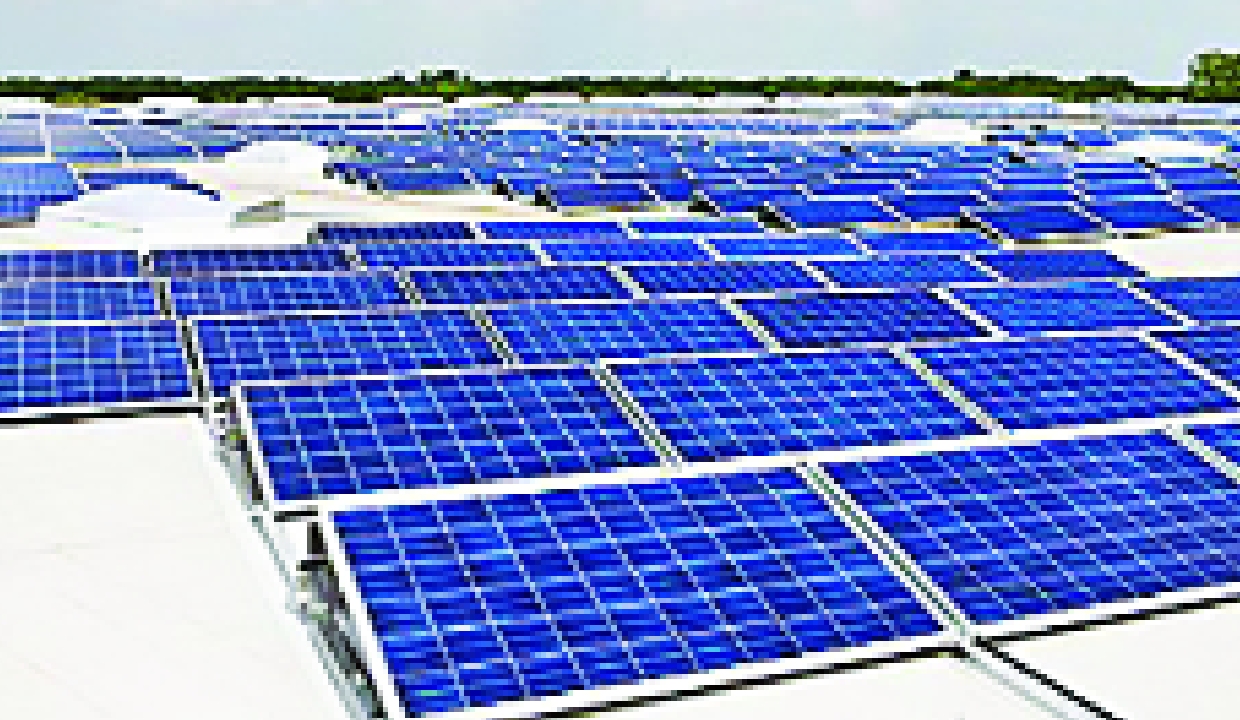
In Rajasthan’s Thar desert, where India began building solar farms at scale, many of the panels installed in the early 2010s are nearing the end of their 25-30-year lifespan. Across India’s 130 GW solar fleet, a clock is ticking quietly but rapidly. What happens when these panels reach the end of their life is a question India’s energy transition can no longer afford to ignore. India’s solar capacity has grown from roughly 4 GW of installed capacity in 2015 to over 130 GW today, with targets of 500 GW by 2030 and net-zero emissions by 2070. However, this clean energy transition also demands a credible strategy for managing solar waste.
The health risks of solar waste
A solar panel is far more complex than a sheet of glass mounted on a rooftop. Solar panels contain hazardous materials such as lead, cadmium, arsenic and hexavalent chromium alongside valuable metals like silicon, silver, aluminium and copper. A standard crystalline silicon panel carries around 14 grams of lead in its soldering components alone. While these materials remain largely stable during normal panel operation, the risks emerge when panels are dismantled, broken, burned or processed improperly at the end of their life cycle.
Improper recycling or disposal can release toxic metal-containing particulates into soil, air and groundwater, leading to long-term health risks such as neurodevelopmental impairment in children, renal toxicity, reproductive disorders and elevated long-term cancer risks.
The coming solar waste surge
The scale of the challenge is no longer speculative. India’s Ministry of New and Renewable Energy (2021) projects solar PV waste to rise from around 34,600 tonnes by 2030 to nearly 1.8 million tonnes by 2050.
Embedded within this waste are both hazardous and economically valuable materials. These include toxic substances such as approximately 16 tonnes of cadmium and telluride, both capable of contaminating soil and water if panels are improperly discarded, and recoverable materials such as around 10 kilotonnes of silicon, 12 to 18 tonnes of silver, and substantial quantities of glass, aluminium and copper. Globally, solar panel waste is projected to reach 60 to 78 million tonnes by 2050, positioning India among the world’s major future contributors to solar waste generation.
Why recycling isn’t so simple
Recycling remains essential, but the economics behind it are challenging. India’s largest solar installations are located in remote, sun-rich regions far from recycling infrastructure, making collection and transport of end-of-life panels expensive. For many operators, these costs often outweigh the benefits of formal recycling. Without accessible and affordable systems, solar waste risks flowing into informal and unsafe recycling channels.
Beyond the economic viability of recycling, handling different solar panel components at the end of their life cycle poses a significant challenge. While materials such as aluminium are relatively easy to recycle and retain market value, nearly 75 per cent of a panel consists of low-value glass, silicon recovery requires costly processing, and valuable metals like silver and copper exist only in small quantities. Encapsulating materials such as ethylene vinyl acetate (EVA), which bind the panel layers together, are also difficult to separate. As a result, recycling costs often exceed the value recovered, making solar waste management both a technological and economic challenge.
What other countries are doing
Several countries have already begun developing policy responses to this emerging challenge. In 2023, South Korea introduced legislation requiring manufacturers to bear responsibility for the collection and recycling of end-of-life solar panels. The European Union incorporated solar panels under its Waste Electrical and Electronic Equipment (WEEE) Directive, creating mandatory recycling and recovery obligations for producers. Japan has similarly integrated recycling responsibilities into broader solar infrastructure management systems.
Despite differences in implementation, these approaches make manufacturers responsible for end-of-life disposal and material recovery. Evidence from multiple regions suggests that Extended Producer Responsibility (EPR) frameworks can strengthen recycling systems when backed by enforceable regulations. Once producers become financially and operationally accountable for end-of-life management, they are more likely to invest in recycling infrastructure, improve material recovery and design panels that are easier to recycle.
What India needs next
India has begun moving cautiously in this direction. In June 2025, the Central Pollution Control Board (CPCB) issued draft guidelines prohibiting open dumping of solar waste and requiring disposal through authorised recyclers, formally recognising solar waste as a distinct waste stream. The question now is whether recycling infrastructure, logistics and enforcement can keep pace with rising solar waste volumes. India’s solar transition will require stronger EPR implementation and expanded recycling infrastructure, particularly near remote solar parks where transport costs discourage formal recycling.
Public health must be integrated into solar waste management from the outset. Communities near recycling facilities should undergo routine monitoring for lead and cadmium, while public-private partnerships and academic institutions can support long-term surveillance systems. Continued research is essential to develop panels with higher recovery rates, longer panel lifespans and designs that are easier to disassemble and recycle.
Ultimately, the most effective waste-management strategy is to minimise hazardous waste generation at the design stage itself. India’s solar expansion is a major achievement, but its long-term sustainability will depend on how waste and health risks are managed. Recycling infrastructure, biomonitoring, worker protections and producer accountability must grow alongside power generation.
The panels being installed today will reach the end of their life within a generation, and how India manages them will shape the sustainability of its clean energy transition.
Pompy Konwar is a Senior Research Associate, and Promila Sharma Malik is a Technical & Research Adviser at Pahlé India Foundation; Views presented are personal.