India’s crisis of imported gas and how to resolve it
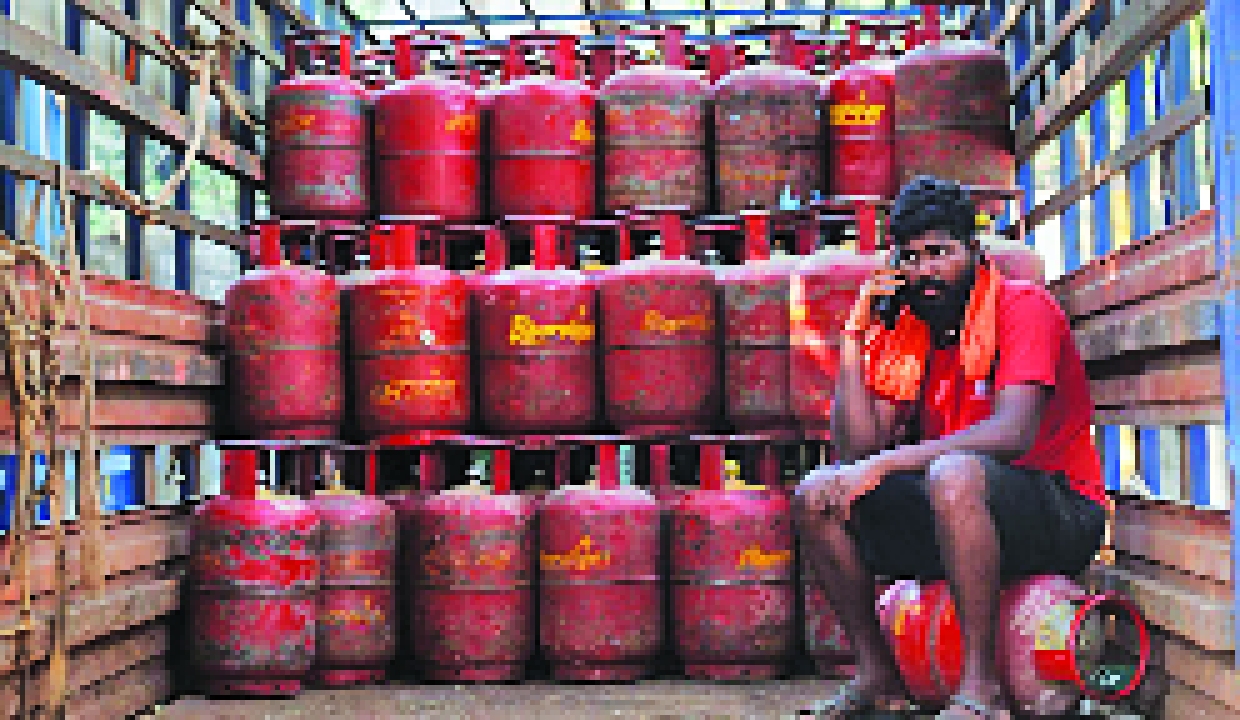
India’s visible anxiety over LPG supplies amid the ongoing Iran conflict is not merely a temporary wartime supply-chain disruption. It is a deeper structural warning about the fragility of India’s energy security architecture. While emergency measures may help the system absorb immediate shocks, the crisis has once again exposed India’s overwhelming dependence on imported energy and the strategic vulnerabilities that accompany it.
In a world increasingly shaped by geopolitical instability, sanctions, conflicts and unpredictable leadership, energy dependence is no longer merely an economic concern; it directly affects national autonomy and strategic decision-making. As India charts its path towards a cleaner and more resilient energy future, national conversations are understandably dominated by solar and nuclear power. Yet, hidden in plain sight lies another transformative opportunity — one buried in our farms, landfills, cattle sheds, sewage systems and urban waste mountains. Biogas, and its upgraded form compressed biogas (CBG), offers India a rare solution that simultaneously addresses energy security, waste management, climate resilience, rural livelihoods, public health and fiscal prudence.
India today faces two parallel crises — waste and energy. Urban garbage dumps are turning into environmental disasters, rural waste remains underutilised and untreated sewage pollutes rivers and groundwater. At the same time, the country spends enormous sums importing LNG, LPG and fertilisers while subsidising their domestic consumption. Yet the raw material for reducing this dependence already exists in abundance. India generates over 700 million tonnes of agricultural residue annually, nearly 150 million tonnes of municipal solid waste, over a billion tonnes of cattle dung and massive volumes of sewage every day. This enormous waste stream can produce millions of tonnes of biogas while simultaneously cleaning cities, reducing methane emissions, improving farmer incomes, creating jobs and lowering import bills. The economic implications are staggering. A large-scale biogas revolution could potentially save India Rs 30,000-40,000 crore annually in gas imports and fertiliser subsidies. It would support India’s broader developmental objectives, from Atmanirbhar Bharat and Viksit Bharat 2047 to the country’s net-zero commitments. The challenge is no longer technological feasibility. It is one of policy urgency, institutional coordination, financing models and implementation capacity.
Urban India represents perhaps the biggest untapped opportunity. Indian cities generate nearly 1.7 lakh tonnes of municipal waste every day, yet barely half is scientifically processed. If even half of the organic component of urban waste were processed through decentralised biogas plants, India could generate over 15 million tonnes of CBG annually. However, this requires systemic reform. Wet waste from vegetable markets, cattle yards and households should become feedstock for biogas plants, while recyclables and energy-recoverable materials should be separately processed. Crucially, cities need financially sustainable models that compensate waste collectors, aggregators and processors while integrating produced biogas into city gas distribution networks. Equally neglected is the massive biogas potential hidden in India’s sewage infrastructure. Hundreds of sewage treatment plants have been constructed under missions such as Namami Gange and AMRUT, yet most lack effective anaerobic digesters for gas recovery. Optimised sewage treatment systems could produce millions of tonnes of CBG while simultaneously recycling water at a time when Indian cities are approaching severe water stress. Every large sewage treatment plant should therefore be mandated to include anaerobic digestion and gas utilisation systems, supported by clear incentives and integration with urban gas grids. In rural India, the opportunities are even more transformative.
Millions of households possessing cattle can potentially shift from LPG dependence to household biogas systems. Earlier biogas programmes saw limited success due to weak maintenance structures and poor business models. However, innovative models are now emerging. In parts of Gujarat, private developers install and maintain household biogas units while collecting slurry to convert it into bio-fertiliser through cluster-based processing systems. The financial benefits are extraordinary. Under current LPG subsidy structures, the government bears a substantial subsidy burden annually for rural households. If millions of households transition to biogas, subsidy savings alone could run into over Rs 1 lakh crore annually, apart from reducing imports. Rural families themselves would save thousands of rupees each year in cooking fuel expenses. Meanwhile, processed slurry can replace a significant portion of chemical fertilisers, reducing urea subsidies and improving soil health, water retention and long-term agricultural sustainability. Agricultural residue management represents another major frontier. India burns over 50 million tonnes of crop stubble annually, contributing heavily to air pollution and environmental degradation.
Yet this residue can generate substantial quantities of CBG. The SATAT initiative, launched in 2018, aimed to establish thousands of CBG plants, but progress has remained disappointing due to pricing uncertainty, poor evacuation infrastructure and weak commercial viability. The lesson is clear: biogas cannot succeed without integrated policy support. Biogas also has a crucial role in India’s evolving renewable energy landscape. What India therefore requires is not another isolated scheme, but a unified National Biogas Mission. The next great energy revolution may not lie only in the sunlight above us. It lies equally in the waste beneath our feet, the sewage flowing through our drains and the agricultural residue currently going up in smoke. Every untreated litre of sewage, every burning field of stubble, every overflowing landfill and every unused cattle shed represents lost energy, lost wealth and lost opportunity. The clock is ticking. India cannot afford to waste its waste any longer.
Deepak Gupta is Ex-Secretary MNRE and Ex-Chairman UPSC; Dilip Kumar Khare is Ex-Advisor (Bioenergy), MNRE & Technical Advisor, World Biogas Association (WBA); Views presented are personal.