Are reading habits really dying?
If anyone doubted the waning of reading habits, they only needed to visit the New Delhi International World Book Fair. The public response was overwhelming and so was publisher participation. The New Delhi World Book Fair 2026, the 53rd edition held from January 10 to 18 at Bharat Mandapam, had unprecedented footfall. One thousand publishers from more than 35 countries participated. The grand event had around 3,000 stalls showcasing books across languages and genres. The fair attracted an estimated over two million visitors-nearly a 20 per cent increase over the previous year. Besides the books on display, there were more than 600 literary and cultural events featuring about 1,000 speakers, along with themed pavilions, children’s zones and international participation. Indeed, the occasion transformed into a bustling hub of debate, book appreciation and cultural exchange. It was indeed an occasion to reflect on the fact that books have their own place even in the digital age and that books have not lost relevance; they are only overshadowed by digital gadgets.
No doubt the digital age is here to stay and short text messaging has become the norm, but when you need to understand a subject or want to delve deeper into an issue, books are your best friends. Real knowledge still comes from reading books, not from scrolling WhatsApp messages or X posts, though they may be good to keep you updated, but they are no substitute for books.
However, the argument that books are losing their sheen is not without basis. Ubiquitous mobile phones have redefined how we interact with text and for how long. It is easier to watch a video than to read. Long-form reading competes with short videos, memes and bite-sized content engineered for instant gratification. The human attention span is reduced to that of a goldfish’s nine seconds. Young people now associate reading with the syllabus rather than to quench their thirst for knowledge and curiosity. We are on the path to becoming a knowledge economy; paradoxically, we may end up with fewer truly knowledgeable individuals if long-form reading is not promoted and celebrated.
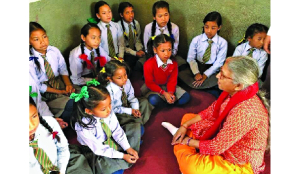
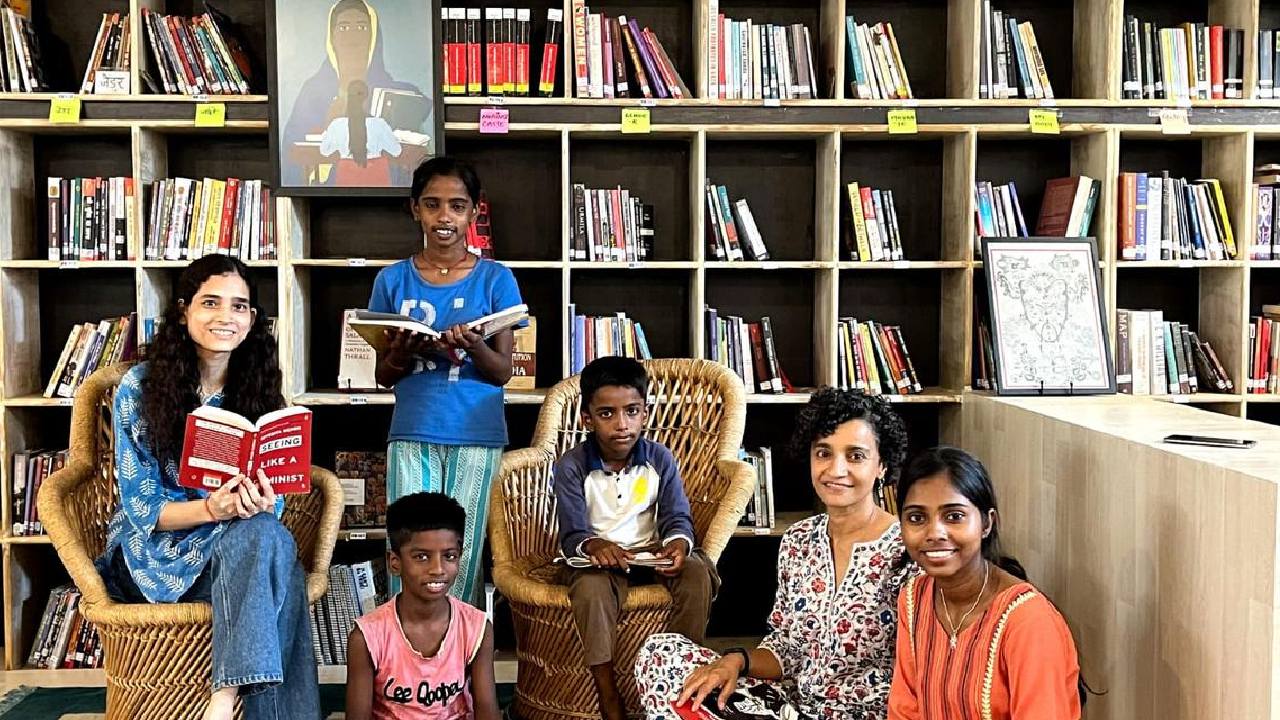
The New Delhi World Book Fair points to a very pertinent point that people would love to read books and engage with the in-depth content provided they have access to it. Children thronging the Kidz Express pavilion, dignitaries distributing books, and multilingual publishers doing brisk business all point to a resilient reading culture. Indeed, reading has not died, but it must be consciously defended and nurtured. People who read widely think deeply. For India, the stakes are especially high. A nation aspiring to global leadership cannot rely on surface-level knowledge. Encouraging reading in Indian languages alongside English is crucial, for language carries culture, memory and ways of thinking. Literature in Hindi, Tamil, Malayalam, Bengali, Urdu and other Indian languages connects readers to lived realities and indigenous knowledge systems that no algorithm can replace. A truly strong India must be a reading India-curious, informed and reflective.