AI enters the classroom, redefining learning and leadership
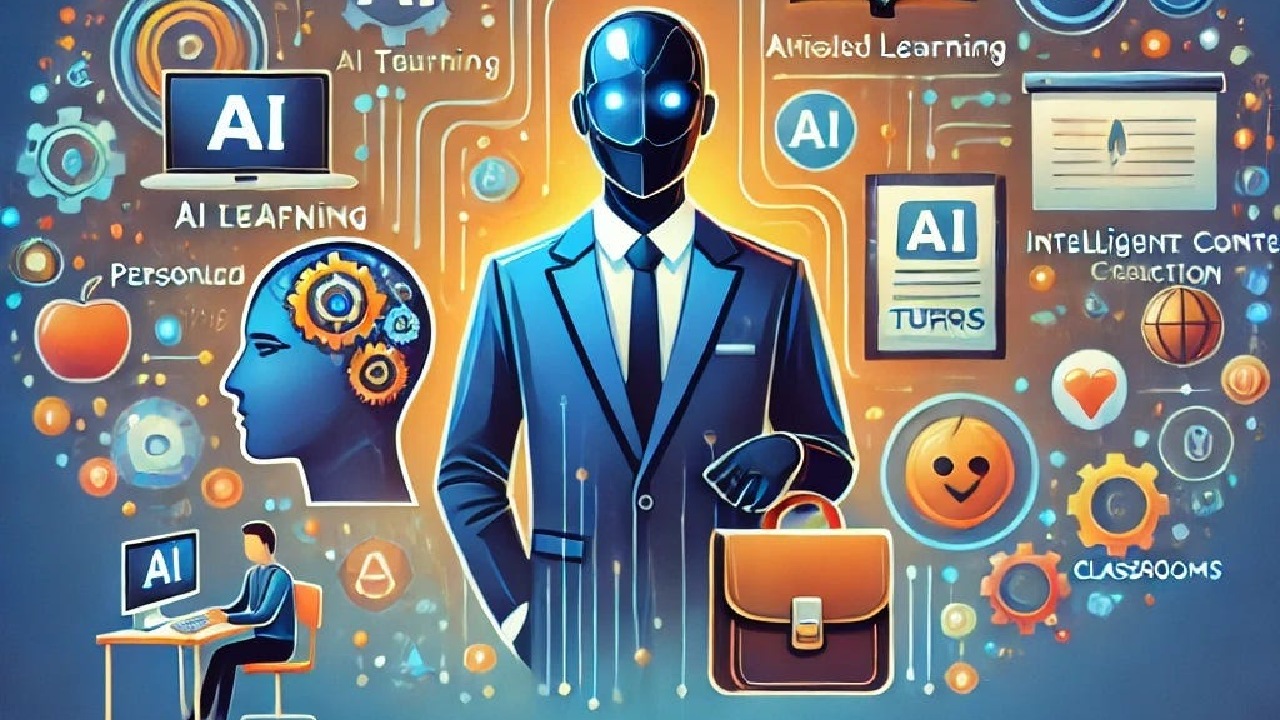
Imagine a classroom where the first draft of an idea is shaped not by a student’s pen, but by an algorithm; where insights emerge from a dialogue between human intuition and machine-generated possibility. This is no longer speculative fiction; it is the new academic reality. Artificial intelligence has already entered the lecture hall, the studio, and the seminar room. For the first time, students walk into class with an intellectual companion that never tires, never forgets, and never stops producing answers. It sits beside every learner, accelerating thought, amplifying curiosity, and quietly challenging the very purpose of teaching itself.
Yet, in a world where machines can generate information endlessly, they still cannot assign meaning, discern ethics, or understand intention. Here lies the paradox: the smarter the machine becomes, the deeper and more urgent the responsibility placed on human judgement.
The real question confronting business schools is not whether AI should be used, but how its presence should reshape the very architecture of learning. It is tempting for institutions to respond by adding more coding, analytics, or AI tools into the curriculum. But treating AI merely as a technical skill risks missing its deeper pedagogical impact. This is not a challenge to be policed; it is a signal. When routine tasks are increasingly automated, the value of education shifts from production to interpretation, from generating answers to questioning them. The urgency is unmistakable. As industries deploy AI to accelerate innovation, improve decision-making, and reconfigure entire value chains, business graduates must do more than operate these systems. AI brings not only opportunity but also serious concerns around ethics, accountability, privacy, and bias. If tomorrow’s leaders are expected to confront these challenges responsibly, their education must reflect the complexity of the world they will inherit.
Leading institutions are already experimenting with models where AI is not taught in isolation but embedded across disciplines, from marketing and finance to public policy and social impact. This multidisciplinary approach helps students see AI not simply as a tool, but as a lens through which modern organisational dilemmas can be examined. The most powerful learning emerges when AI meets reality. Case studies involving targeted welfare systems or predictive policing expose students to difficult trade-offs between efficiency and fairness, accuracy and privacy, innovation and regulation. Through role-plays, data audits, and structured debates, students witness how even well-designed systems carry social consequences. They grapple with questions of consent, surveillance, equity, and transparency, learning early that responsible leadership demands both technical fluency and moral clarity. In an AI-led world, critical thinking is no longer an academic exercise; it is a professional necessity. Faculty must recalibrate their roles. Teaching increasingly means guiding students through the final steps AI cannot take: inferring meaning, interrogating assumptions, evaluating evidence, and exercising judgement.
Ultimately, AI’s arrival compels business schools to revisit the purpose of management education itself. AI may be the new teaching assistant, but the true transformation lies in how it pushes institutions to reimagine what it means to learn, lead, and create impact in an increasingly algorithmic world.
The writer is President & CEO of FIIB, New Delhi, an AACSB-accredited institution; views are personal