A win-win in a multipolar world
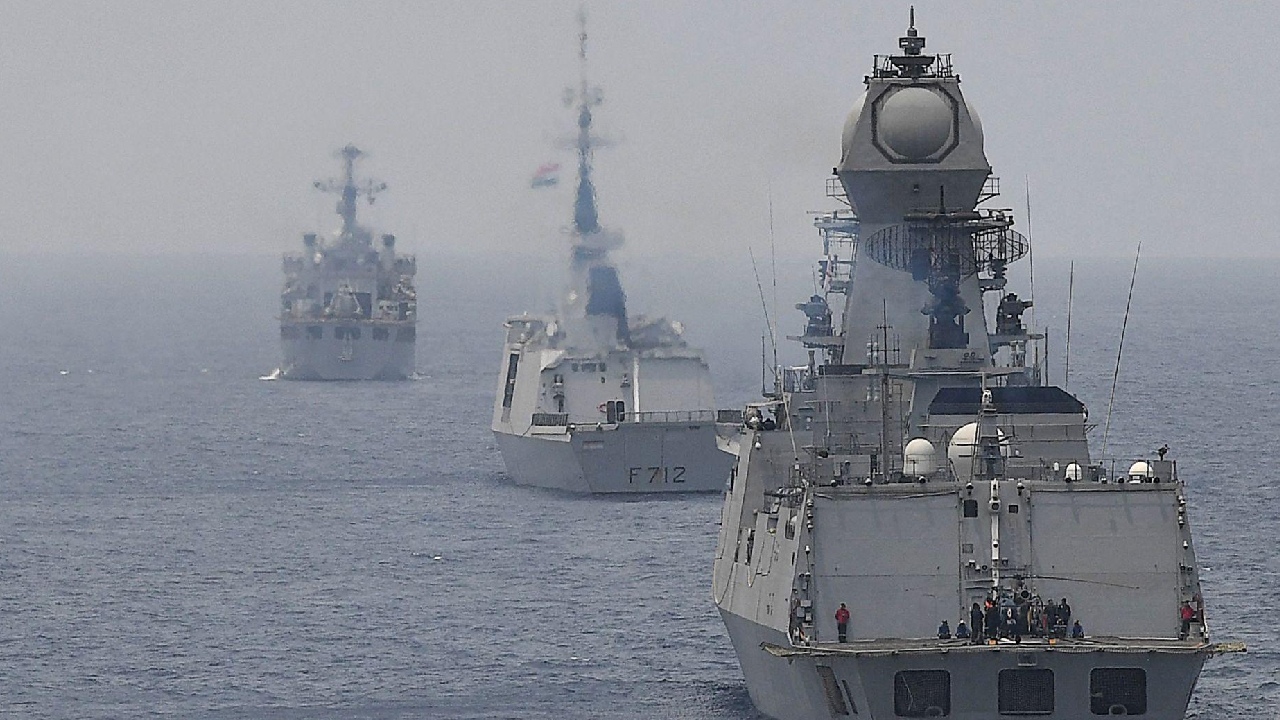
France has always been India’s chosen partner in the West. India-France relations date back to early 1948, when the two established ties based on mutual trust, respecting each other’s autonomous choices in world politics. It further matured in 1998 when the relations entered the strategic realm of defence, space and civil nuclear partnership under the Strategic Partnership framework. Since then, France has remained one of the most important suppliers of defence equipment to India and the trust has only built over the years. It is noteworthy that France did not disengage with India after the Pokhran nuclear tests. In this background, President Emmanuel Macron’s recent fourth visit to India at the invitation of Prime Minister Narendra Modi further cements this relationship. The visit marks the elevation of a mature partnership into a “Special Global Strategic Partnership”. This relationship thus is not limited to mutual cooperation in defence and other vital sectors but is a clear statement of intent of deep ties that encompass a common shared vision of world politics, especially in the Indo-Pacific region.
Indeed, defence remains the bedrock of this relationship. France is one of India’s foremost defence partners. It is not just a supplier but also a co-developer of defence equipment. The induction of Rafale-Marine jets, collaboration on submarine programmes, helicopter and jet engine development, and the expansion of joint research between DRDO and France’s defence agencies go well beyond buyer-seller dynamics and enter the realm of co-developers. For India, this strengthens indigenous manufacturing and reduces dependency risks.
For France, it deepens industrial integration with one of the world’s fastest-growing defence markets. It is a clear win-win: India gets cutting-edge technology and a chance to develop it, while France gets access to one of the world’s top defence markets. Equally significant is the convergence on civil nuclear energy and clean technologies. French expertise — particularly in large reactors and emerging Small Modular Reactors — can accelerate India’s low-carbon transition. In turn, France gains a reliable partner in the Global South. With aggressive posturing by the US, France also needs to diversify and keep its foreign policy options open. Together, they reinforce energy security while advancing climate commitments under the Paris Agreement. Technology and innovation add another layer of synergy. Their call to democratise AI resources and bridge the global AI divide resonates strongly beyond Europe and Asia. France’s invitation to India to actively shape G7 deliberations underscores that this is more than a goodwill gesture. France, as a leading maritime nation, shares an interest in a free, open and rules-based Indo-Pacific region, which aligns with India’s vision of the region. Their collaboration through the International Solar Alliance demonstrates that this partnership extends beyond bilateral gains to tangible regional impact.
Besides, France has once again reiterated its firm support for India’s permanent membership of the UN Security Council. This shows a rock-solid relationship that transcends the vagaries of choppy geopolitics.