A New high in India–Malaysia ties
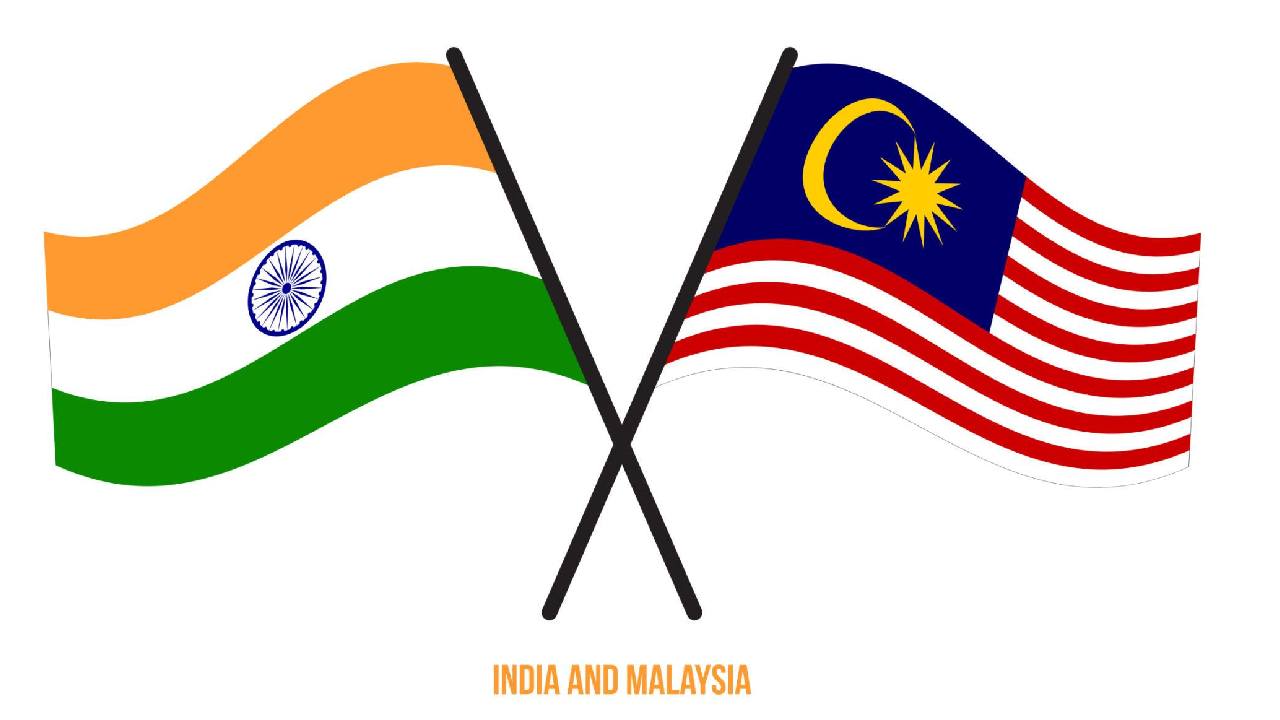
For the last few years, India has been aggressively pursuing the Act East policy. It has been a paradigm shift in its approach to grow and prosper with its eastern neighbours. Conventionally, India has aligned itself with the West, and most of its economic and strategic manoeuvers primarily made keeping in mind its synergy with the Western world. However, of late, India has realised that economic and strategic synergy with the East Asian countries is equally, if not more important, for serving the country's interests. These nations provide not only economic avenues but also help keep the strategic buffer against dominant nations like China in the region. Thus was born the 'Act East' doctrine, which is nothing but India's bid to engage with the ASEAN nations and redefine the regional politics of the Asia Pacific. Another chapter to this is being written by Prime Minister Narendra Modi's two-day visit to Malaysia.
The visit marks a decisive moment in the evolution of India's engagement with Southeast Asia. The ceremonial welcome at Putrajaya, the joint outreach to the Indian diaspora, and the wide-ranging delegation-level talks with Prime Minister Anwar Ibrahim go well beyond symbolism and anchor India as an important player in the South East Asia. Indeed, India and Malaysia share a long and layered history. From ancient maritime trade routes and the spread of Indic culture, a vibrant Indian diaspora, the ties between the two nations run deep. Nearly three million Malaysians of Indian origin today act as a living bridge between the two nations, strengthening cultural, economic and political links.
These ties find resonance in renewed political and economic convergence, culminating in a Comprehensive Strategic Partnership in 2024. PM Modi's visit reflects the priority India now accords to Malaysia. The agenda of the talks - defence, counter-terrorism, maritime security, clean energy, semiconductors, digital economy and skills - shows that India and Malaysia are not just trade partners but have deeper strategic ties. Malaysia is strategically situated along key sea lanes, and that can come in handy for India in ensuring an uninterrupted supply chain. The quantum of trade has also increased manifold. Bilateral trade crossed $18 billion in 2025, and both sides are now aiming higher by using their currencies for trade. The hi-tech sectors like biotech, artificial intelligence and semiconductors are also in the ambit of cooperation.
However, the biggest advantage Malaysia can give to India is in its status as an ASEAN country, thereby giving access to a wide market in Southeast Asia. Malaysia's proximity to the Malacca Strait gives it a distinct advantage in ensuring Indo-Pacific security. Closer cooperation in maritime security, intelligence sharing and counter-terrorism will help both countries to deal with threats of piracy, smuggling and extremist networks. Modi's Malaysia visit is a reminder that India is diversifying its economic and strategic imperatives and hedging its relations with nations in the Pacific region. And Malaysia happens to be one of the important factors in its geostrategic planning.