A fatal crash, a political void
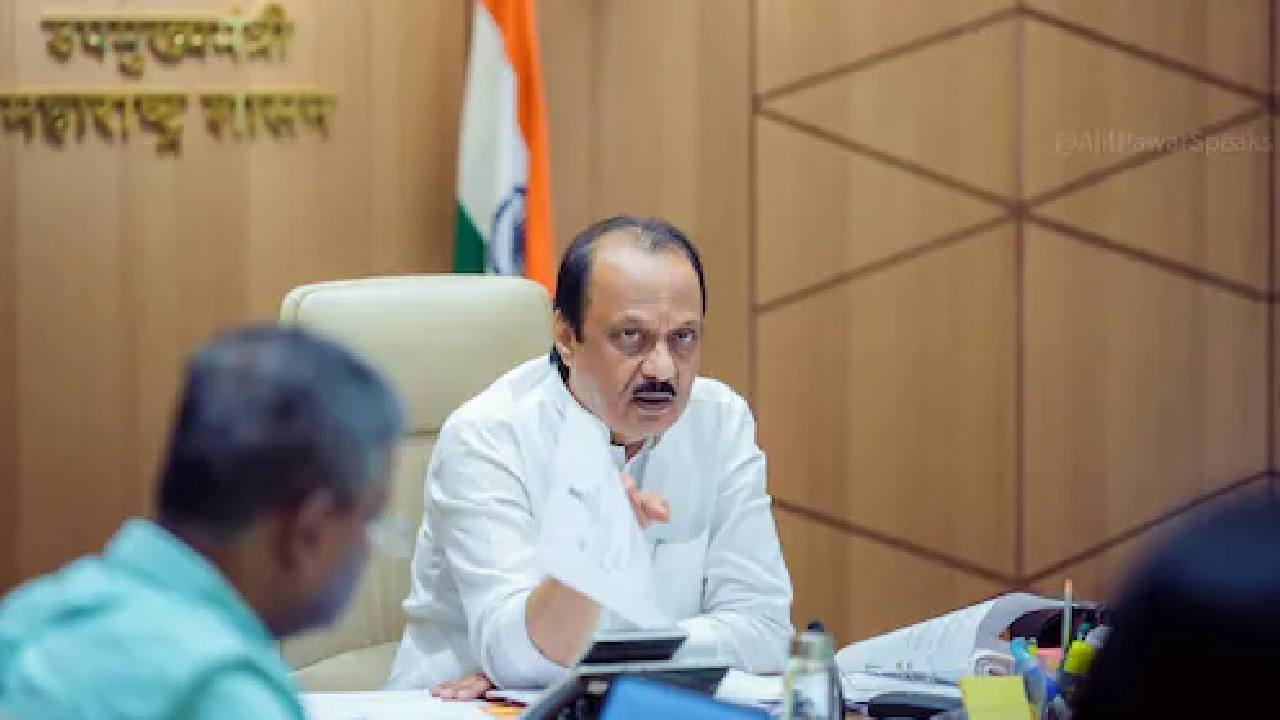
The stalwart of Maharashtra, Ajit Pawar, is no more. His life came to an abrupt end when his private plane crashed near Baramati airport, the city which had elected him eight times to the Assembly, and where he was a local hero for the people. His death comes at a time when rumours were rife that he would reunite with the other faction of the NCP led by Sharad Pawar, which he broke with in 2023.
Ajit Pawar’s death alters Maharashtra’s power equation. After the 2023 split in the Nationalist Congress Party (NCP), Pawar had emerged as its most powerful leader, second only to Sharad Pawar. He took the bulk of legislators and redefined state politics by siding with the BJP and settling as Deputy Chief Minister. However, after the recent civic election results in Pune and Mumbai, where Ajit Pawar came out strong, he might have been contemplating reuniting with the other faction of the NCP.
Ajit Pawar was, no doubt, a well-respected leader who commanded authority in several regions, but his name had appeared in numerous cases of corruption which were closed or abandoned after he joined hands with the BJP.
He will be cremated with the Prime Minister and Union Home Minister in attendance, underlining the weight he carried in state and national politics. The accident occurred early Wednesday morning as the Learjet carrying Pawar attempted to land at Baramati airport but failed to land on the runway, hitting the ground instead and turning into a ball of fire. Preliminary information from the Civil Aviation Ministry suggests poor visibility at the airport. Investigators from the Aircraft Accident Investigation Bureau (AAIB) and the Directorate General of Civil Aviation (DGCA) will be investigating the crash, but the absence-so far-of pilot-ATC communication recordings raises troubling questions. This is not the first time that India has lost a senior leader in an air crash. The previous accidents that claimed the lives of Sanjay Gandhi and Air Chief Bipin Rawat are still being probed.
The fear is that this probe, too, may add to a growing list of reports that identify ‘procedural lapses’ without assigning institutional accountability. Beyond politics, Ajit Pawar was widely seen as the bridge between the two Pawar camps. That role will now fall on the shoulders of his wife, Sunetra Pawar, and his cousin, Supriya. The crash also sharpens concerns about aviation safety in India, already heightened after the recent Air India tragedy in Ahmedabad.
From Sanjay Gandhi to Madhavrao Scindia to Bipin Rawat, India’s history is marked by the loss of influential figures in air accidents whose causes remain opaque. Each unresolved mystery deepens public unease. Ajit Pawar’s death is thus more than a political tragedy; it would recalibrate the politics of Maharashtra. The sad part is that such an influential person died in an air crash — a flight that was flawless and error-free in every respect. Every aspect of the crash must be thoroughly investigated, and any culpability or negligence must be met with the strictest punishment.