A defining moment for Dhaka–Delhi ties
After a year and a half of turmoil, Bangladesh has finally held its 13th parliamentary election and is ready for a new government. The process of election, though, left much to be desired as the Awami League, one of the main contenders, was left out and wasn’t allowed to fight the elections, eroding the credibility of the election itself. Nevertheless, the election has set the stage for the transfer of power from an interim Government headed by Mohammad Yunus to an elected Government by the Bangladesh Nationalist Party BNP which along with its allies swept the polls with 212 seats in a Parliament of 300. It is indeed a sigh of relief for the people of Bangladesh as the interim government failed miserably on all counts including providing law and order in the country, putting economy on rails and mending relations with the neighbours including India.
BNP leader Tarique Rahman, son of former prime minister Khalida Zia is poised to become Prime Minister will have a daunting task to streamline a nation disrupted. One of his major tasks would be to put Bangladesh’s relations with India on track. The relations with India considerably deteriorated after the Gen-Z uprising and the subsequent flight of Sheikh Hasina to India, where she presently resides.
The scale of the BNP’s victory gives Tarique Rahman considerable room to manoeuvre. But it also raises expectations. The electorate will expect economic stability, institutional balance, and a restoration of democratic institutions. Bangladesh’s economic story over the past decade has been one of resilience and rapid growth which was badly disrupted after the Gen Z uprising and takeover by the interim Government. The incoming government must reassure investors and development partners that political change will not disrupt economic continuity.
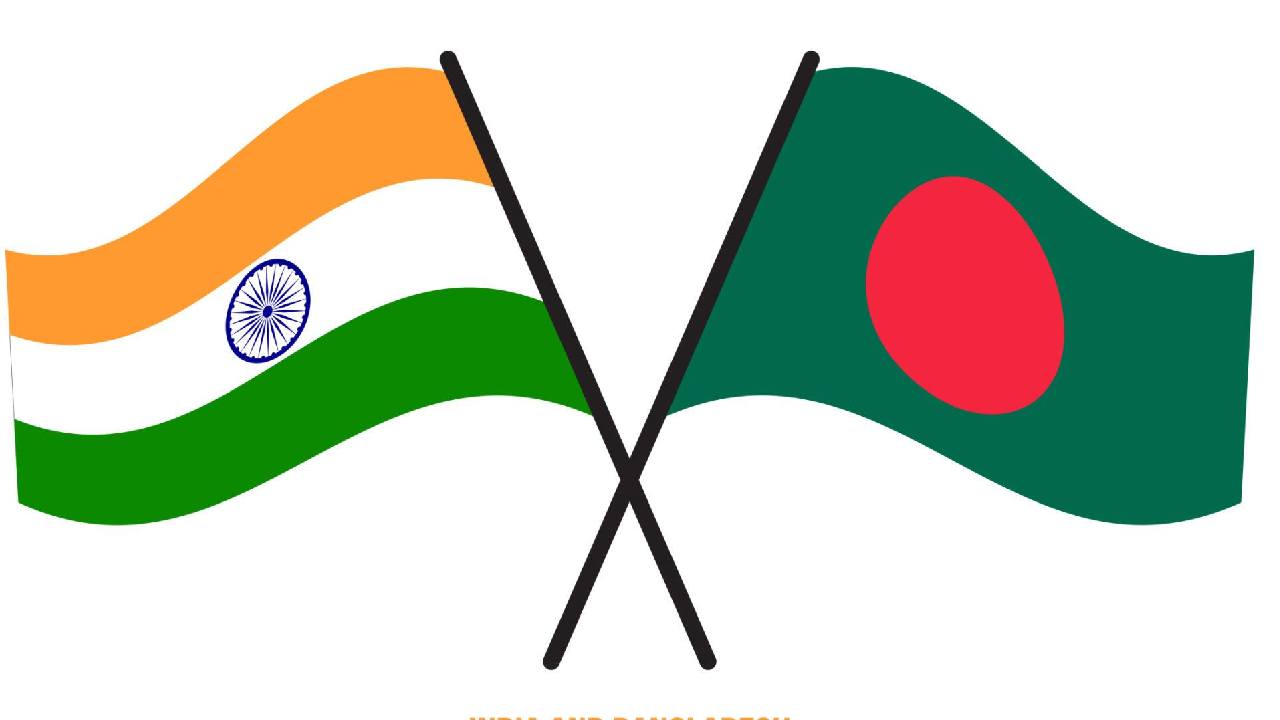
The big challenge would indeed be on the foreign policy front, which will be watched just as closely. Senior BNP leaders have emphasised a doctrine of “friends to all, malice to none,” signalling an intention to pursue balanced diplomacy. The BNP leaders have showed their intention to invite Indian Prime Minister Narendra Modi to the swearing-in ceremony. This is a good sign for the ties of the two countries and shows pragmatism on the part of BNP. India and Bangladesh share not only a long and sensitive border but deep cultural, linguistic and historical ties. Cooperation on security, connectivity and trade has expanded in recent years. For India, continuity in security cooperation will be paramount. Counter-terrorism collaboration and coordinated border management have to further strengthened. The BNP Government might also want to court China to balance Indian influence but it will not ignore the economic logic and geopolitical necessity of a stable relationship with India. For Bangladesh, the transition presents both opportunity and responsibility. It is at cross roads and should make the most of this peaceful transition of power. The electorate has spoken decisively; if the new BNP government can live up to their expectations remains to be seen.