A carnival of flowers, feasts and fellowship
Onam, celebrated primarily in Kerala, stands as one of South India’s most vibrant and joyous festivals, embodying centuries of cultural heritage and agricultural tradition. This ancient festival, observed during August-September, marks the homecoming of the legendary King Mahabali, a beloved mythological figure who ruled Kerala with
fairness and prosperity.
l Historical Roots
Onam’s origins trace back to pre-Christian Kerala, reflecting Dravidian culture and harvest celebrations. According to Hindu mythology, Lord Vishnu, in his Vamana avatar (dwarf incarnation), subdued the demon king Bali. However, pleased with Bali’s devotion and righteous rule, Vishnu granted him an annual visit to his beloved subjects-a visit celebrated as Onam. This unique narrative, where a demon king is revered rather than vilified, demonstrates Kerala’s inclusive cultural philosophy.
l Celebrations and Customs
The festival spans ten days, beginning with Atham (star day) and concluding with Thiruvonam (the main day). Homes transform into kaleidoscopes of color through Pookalam-elaborate flower arrangements made with marigolds, lotus, and other blossoms arranged in concentric circles. These floral designs welcome Mahabali’s arrival.
Traditional boat races, particularly the famous Nehru Trophy boat race, showcase Kerala’s maritime culture with intricately carved longboats and thunderous rhythmic paddling. Families engage in Kaikottikali (group hand-clapping dance) and Thumbi Thullal (swinging on suspended vines), while men participate in Pulikali (tiger dance), parading through streets in colorful tiger costumes.
l Culinary Delights
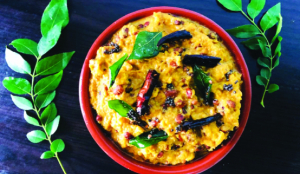
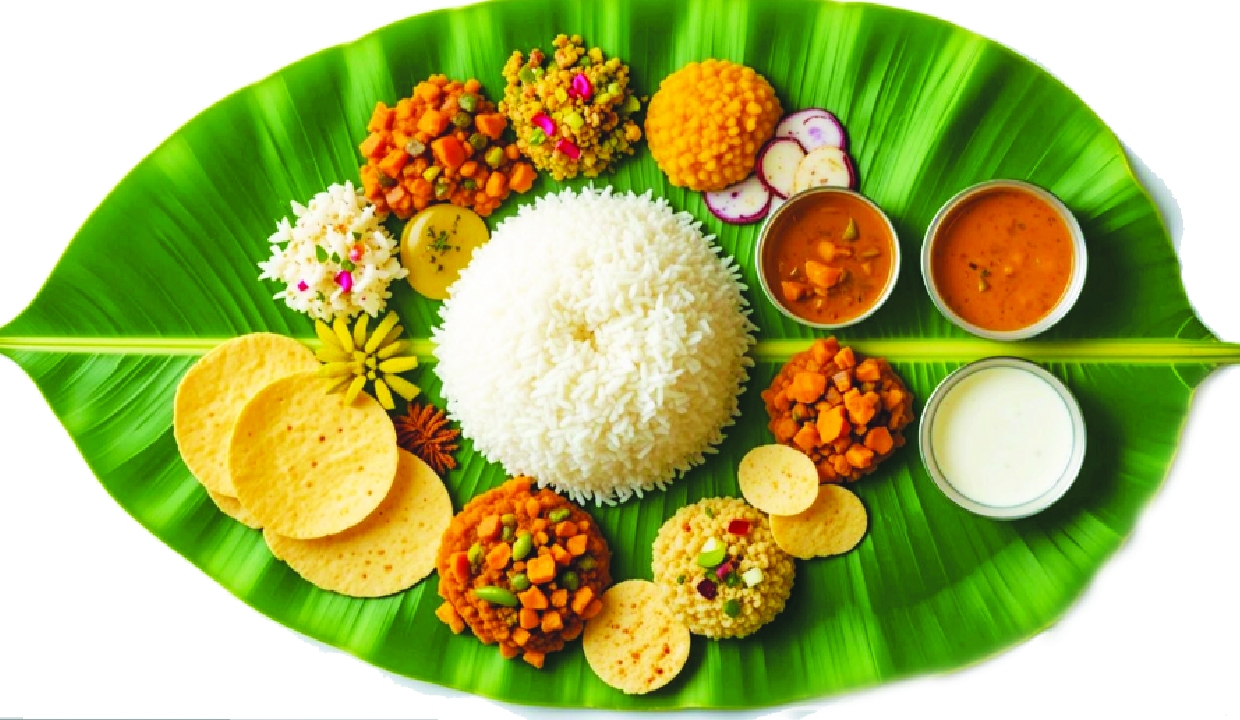
Onam’s food traditions are legendary. Sadhya-an elaborate vegetarian feast served on banana leaves-features rice accompanied by numerous curries, pickles, and side dishes. Appam (crepes), Puttu (cylindrical steamed cake), and Payasam (rice pudding dessert) are quintessential Onam delicacies. Olan, a delicate white curry of ash gourd and coconut milk, perfectly encapsulates the festival’s refined taste.
l Spirit of Gaiety
What distinguishes Onam is its inclusive, secular celebration uniting communities regardless of religion or caste. The festival epitomizes Kerala’s syncretic ethos, where people from all backgrounds participate enthusiastically. Markets bustle with activity as families purchase new clothes and decorations; the air resonates with classical music and folk songs; and neighborhoods brim with infectious joy.
Onam ultimately represents more than harvest celebration-it symbolises equality, prosperity, and the timeless human desire for community connection and celebration.