400 km road construction to begin post-GRAP: CM
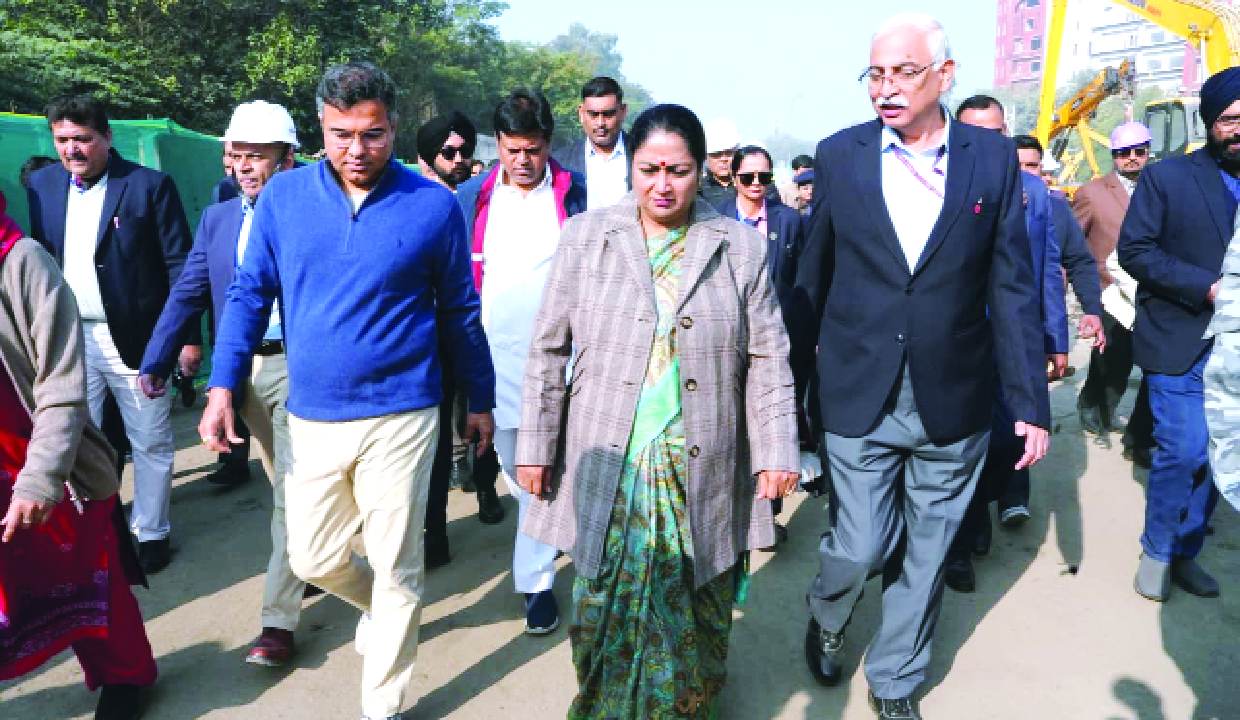
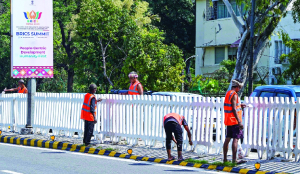
Delhi Chief Minister Rekha Gupta on Tuesday said construction of 400 km of roads across the Capital will commence as soon as the Graded Response Action (GRAP) is lifted, adding that they will be constructed wall to wall to ensure dust generated is eliminated at source.
She also reiterated that her government is taking strong and effective action on multiple fronts simultaneously to control pollution in the national Capital.
As regards road construction, Rekha Gupta said these roads will be constructed wall-to-wall, ensuring that dust generated from road edges is eliminated at the source.
Along with road construction, the Delhi Government is continuously installing mist spray systems on the central verges of roads to neutralise dust particles and strengthen pollution control efforts.
According to the Delhi Government, budgetary allocations for 300 kilometres of the proposed 400 kilometres of roads have already been released by the Central Government.
The remaining 100 kilometres of roads will be constructed using the Delhi Government’s own resources. The construction of these roads will not only improve traffic flow but will also significantly reduce dust emissions from damaged and worn-out roads, which have been a major contributor to pollution in Delhi.
The Chief Minister informed that all tenders and related procedural formalities for road construction have already been completed. Once GRAP is lifted, the Public Works Department (PWD) will begin work at a war footing, with construction activities starting simultaneously in multiple parts of the city.
She added that roads constructed five years ago or those that have deteriorated significantly will be taken up on priority. The Government aims to complete the construction work, with a strong possibility of its completion within the current financial year.
Alongside road construction, the Delhi Government is expanding the deployment of mist spray systems to curb dust pollution. As per directions issued by the Environment Department, these systems are being installed on electric poles or other suitable structures located on road medians.
The fine water droplets released through mist spray systems help suppress road dust, which is a major source of pollutants such as PM10 and PM2.5.
At present, around 340 mist spray systems are operational at hundreds of locations across the Capital, and their coverage is being expanded in a phased manner. The Chief Minister stated that these systems are being installed on a priority basis in high-pollution areas and identified hotspots.
Except during the monsoon season, the systems will remain operational throughout the year to ensure continuous dust control. She also noted that the system does not require any additional road construction or infrastructure, making it a practical and effective solution.
Rekha Gupta emphasised that addressing pollution in Delhi cannot be limited to seasonal or short-term measures. Along with immediate interventions, long-term and structural solutions are essential.
She said that better roads, regular maintenance, and the use of modern dust-control technologies together can lead to a sustained improvement in Delhi’s air quality.
The Chief Minister reiterated that the Delhi Government remains committed to balancing development with environmental protection and ensuring a clean, safe, and healthier living environment for the citizens of the Capital.