Will the ceasefire hold as Israel strikes Lebanon?
The world breathed a sigh of relief when a two-week ceasefire was announced in the US-Iran-Israel conflict. The West Asia crisis has been going on for over a month now and has caused heavy casualties on both sides, killing innocents and causing enormous loss to the environment and property.
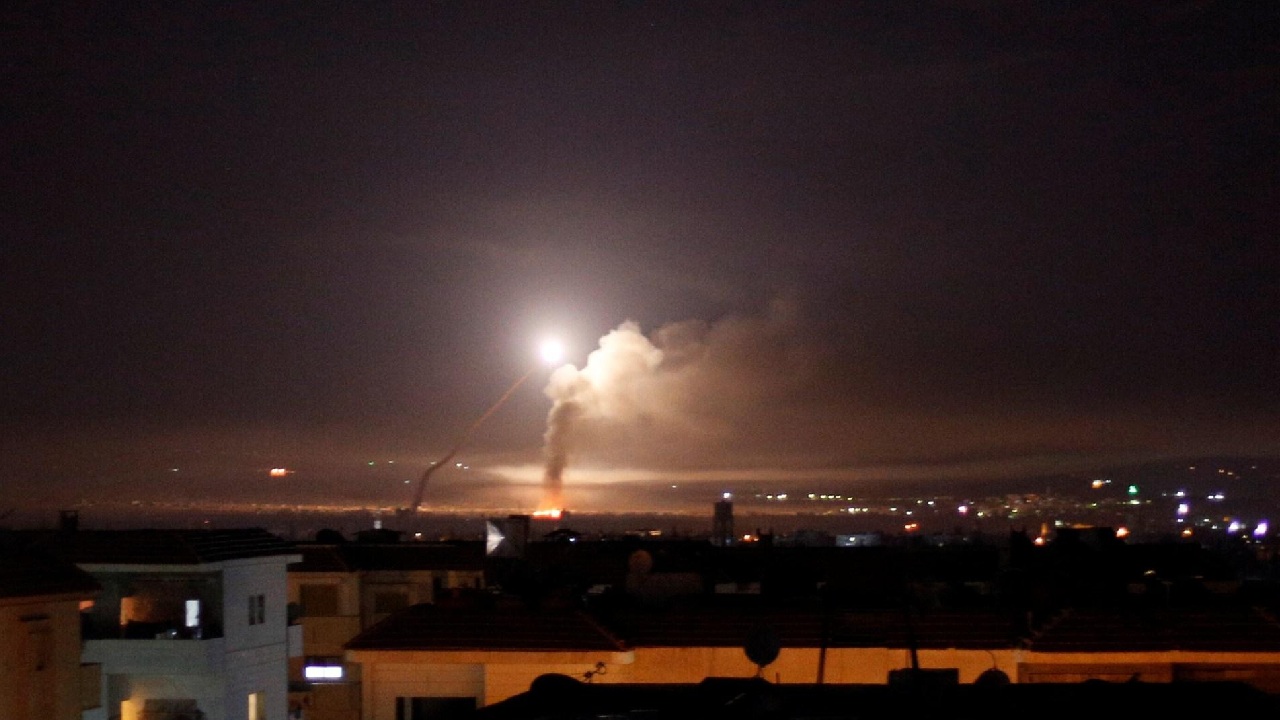
However, as it was, the ceasefire, a momentary pause, was fragile, as Israel, one of the key players, has said that it was kept in the dark by the US. As if to sabotage the ceasefire, Israel launched a massive 100-missile strike on Lebanon, killing over 250 people. Iran, on its part, closed the Strait of Hormuz. This impasse has again put a question mark on the validity of the ceasefire, as both sides exploited the structural flaws in the truce. Israel maintains that Lebanon was not part of the deal while Iran includes Lebanon as integral part of the deal framework. To show its displeasure with Lebanon strikes Iran closed the Strait of Hormuz which ini tself a big proof that reescalation is not ruled out in near future even before the 14-day ceasefire ends.
The biggest drawback in the ceasefire is the structural flaw in the framework. While Iran has consistently insisted that any meaningful de-escalation must include Israeli operations in Lebanon, the United States and Israel have treated it as a separate entity. Israel’s strike has been interpreted in Tehran as a violation of the spirit of the ceasefire. Iran’s missile response signals that it is unwilling to compartmentalise the conflict. If the ceasefire collapses it would be a big embarrassment for the US President Donald Trump personally, who positioned the ceasefire as a diplomatic victory. It would also mean that Israel its partner in the war is not in sync with its decisions. He faces three difficult choices: resume hostilities, intensify diplomatic efforts, or pressure Israeli Prime Minister Benjamin Netanyahu to halt military operations in Lebanon.And there is little hope that any of these choices would bring lasting peace in the region. Thus, there is an imminent danger of hostilities breaking out. Resuming the war risks unleashing a wider regional conflagration. Iran has already demonstrated its willingness to escalate, and any renewed US military action could trigger coordinated responses from allied militias across the region. Then there is also the risk of China and Russia also getting involved directly or indirectly making it a world conflict. The consequences would not be confined to West Asia.
Politically, it would also undermine Trump’s credibility, especially as he had touted the ceasefire as a major achievement. The diplomatic route is more appealing but fraught with challenges. Vice-President JD Vance’s outreach to Iran through talks in Pakistan offers a pathway, but it depends on Israeli restraint. Without halting operations in Lebanon, Iran is unlikely to engage meaningfully. Tehran’s distrust runs deep. The US-Israel relationship is deeply entrenched, and reining in Benjamin Netanyahu could have domestic and strategic costs. Yet without addressing Israeli actions, the ceasefire remains unstable. Ultimately, the issue is not just whether the ceasefire will last, but whether it was ever meant to.