When the oceans bleed: Hidden war on water
Diplomacy fills the headlines. The real price is being paid in silence - at the bottom of our oceans, in the rivers we drink from, in the skies our children will breathe. There is a conversation happening in every war room in the world right now. It involves maps, missiles, and men in suits who speak the language of strategy with the ease of breathing. What no one is putting on the table - what no one has the appetite to discuss - is what is quietly dying while they talk. Not just the soldiers. Not just the civilians. But water. The very thing that made this planet worth fighting over in the first place.
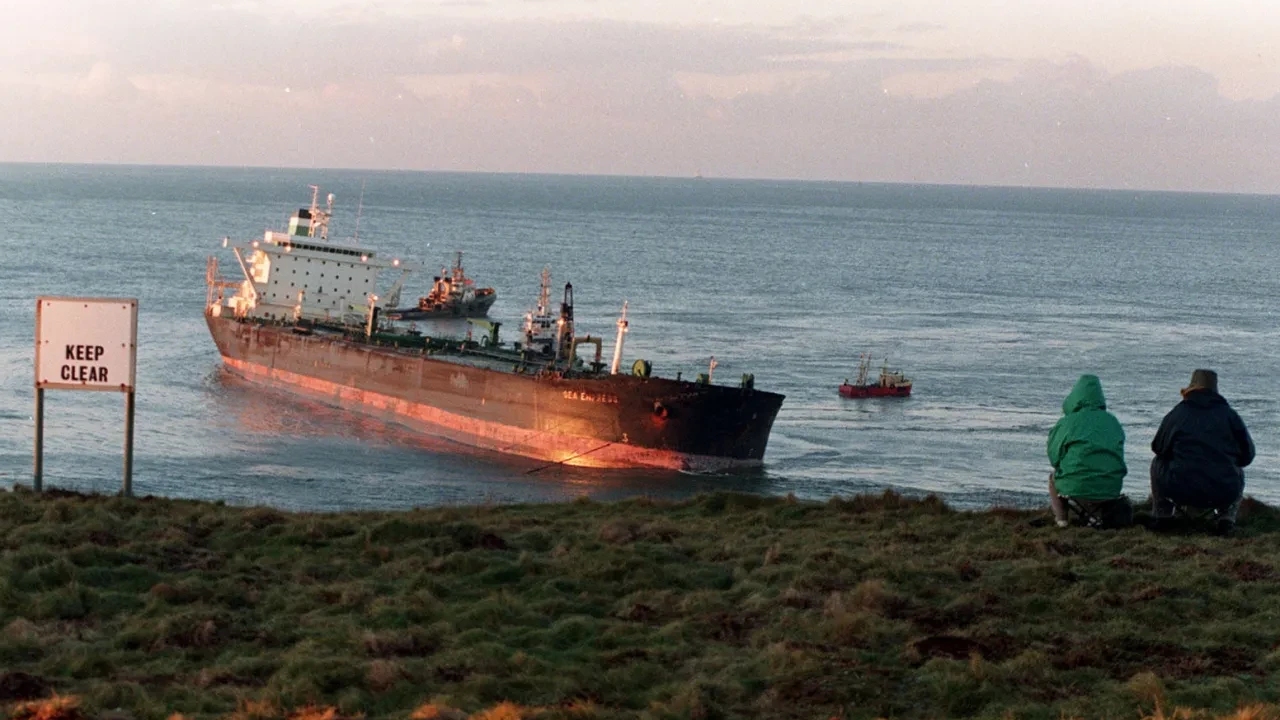
We speak of wars in terms of land gained and lives lost. But no map ever marks the aquifer poisoned by depleted uranium, or the seabed cratered by bomb blasts, or the coastline choked in oil from a vessel that became collateral damage on a Tuesday afternoon nobody will remember. Wars are fought on land. But they bleed into water. Think of what goes into a modern war: the fuel leaking from warships, the chemicals used to manufacture weapons being dumped or washed into water bodies, the munitions tested in coastal waters, the industrial effluents from factories that run double shifts feeding a conflict economy. Now multiply that by every active conflict zone on the planet. The ocean does not file a complaint. It absorbs. It changes. It dies, slowly, in a way that takes decades to confirm and a generation to feel.
Marine life has no passport. The coral reef does not know whether the chemical that bleaches it came from a peacekeeping mission or a proxy war. The whale that beaches itself on a shoreline three thousand kilometres from a conflict zone does not understand geopolitics. It only understands that something in the water has changed. And when marine ecosystems collapse, the climate responds - not with a press conference, but with a fever that does not break.
We live in a curious age. Diplomacy is at a historic peak - there have never been more summits, more agreements, and more frameworks for peace. And yet the environmental cost of the conflicts that these summits are supposed to prevent or resolve has never been higher. We sign climate accords in glass buildings, and then burn the ocean floor, testing weapons that are never officially acknowledged. The hypocrisy is not even hidden anymore. It is simply filed under ‘national interest.’
The political landscape is complicated. Sovereignty is real. Security is not a luxury. People are not naive enough to believe that wars will stop because the fish are dying. But we need to be stubborn enough to believe that we must start counting the environmental cost of conflict the same way we count the human cost. A body count makes the front page. A dead ocean makes a footnote in a scientific journal that nobody reads. How many filters will we use? That is the right question. Not how many wars will we fight, but how many layers of purification will it take before what comes out the other end is safe enough to call water? We have the technology. We will build the filters. But there is something deeply broken about a civilisation that destroys a resource with one hand and engineers a solution with the other, and calls that progress. Water is not a resource. It is a relationship - between the land and the sky, between the living and those who come after. Every war that poisons it is not just a crime against nature. It is a crime against time itself. And time, unlike a ceasefire, cannot be negotiated.
The writer is a freelancer writes on development, social and gender issues; views are personal
Leave a Comment
Comments (3)
A very valid point raised, Ma'am. But sad to say this, it is ingrained in humans to ignore red flags even when they are aware and can significantly impact the situation. And that is most alarming. Or, may Iway. that humans are choosing destruction any way. Like when individuals choose to drive recklessly without helmets or collectively pollute the environment with plastic waste and other hazardous things thrown around carelessly, knowing it's impact fully.
That's a brilliant insight into the unseen longtime impact of conflict across geographical boundaries. Wars, however controlled, have collateral and consequences that impact everyone. Nicely articulated issue.
Tantrump is poisoning the World's oceans with his warfare.