Aunty: From casual address to cultural stereotype
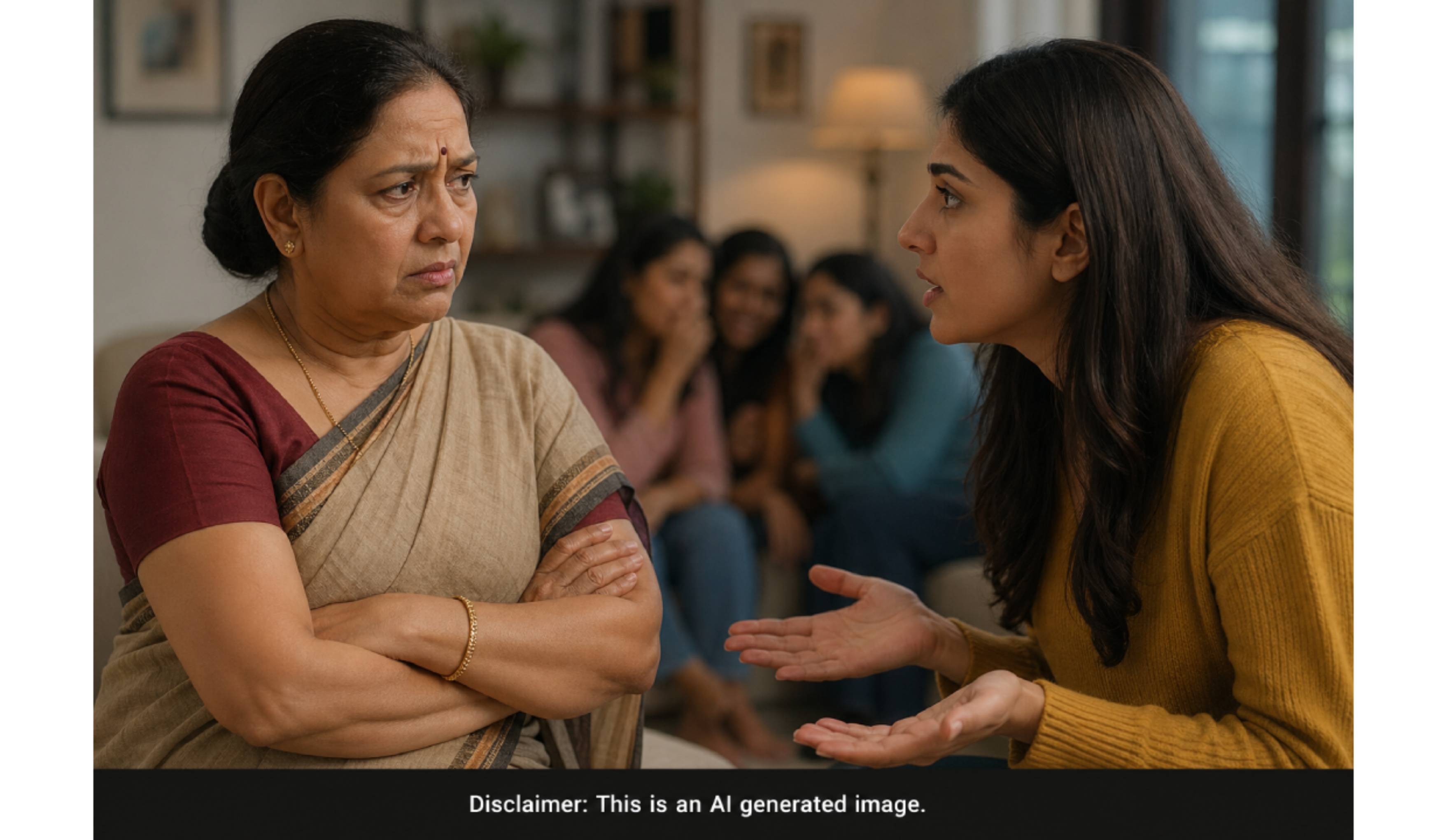
Recently, a UK employment tribunal ruled in favour of an Indian-origin healthcare assistant and awarded her approx `1.7 lakh in compensation after a colleague repeatedly called her “aunty” against her wishes. It was quoted that using it when unwantedly creates an offensive environment, and constitutes harassment, age and sex discrimination and carries a negative social impact.
Aunty, a social label, reflects a generational gap and is now taken to be a ‘hostile’ and ridiculed manner of addressing a lady. It is actually a spoiled form of “aunt,” which, according to any English dictionary, means “father’s/mother’s sister.” But in our society, it has a filthy meaning of not being young anymore, with its use further deteriorating to refer to “middle-class mentality”.
In common parlance, it refers to an ageing woman, even “not-so-elderly,” if she is married, or, surely, when she is a mother, or if she chooses to dress in ethnic clothing. Social media and memes have additionally reinforced it from a gesture of respect to a subject of humour.
All women of 40-plus age or even in their late 30s have to face the trauma of the uncalled-for transition to the new age group, and thereby to the unfriendly sobriquet. It does take some time to sink in, and every lady in India can well relate it to the famous lines from an old TV serial, “Aunty Mat Kaho Na”.
The initial stages of the shock begin with substantial time spent in front of the mirror, checking for any visible wrinkles on the face, salt and pepper hair, or any such trait in physical appearance that has pushed them into this new ugly stamping.
This is then followed by efforts to improve skin care routines and maintain a good figure. The result is an extra slot of expenditure spent on the services of beauticians and gymnasiums.
It’s worth pondering what urges us to keep away from this branding. There is indeed an insecurity in joining the too-early and unwanted old-age league. In fact, in the contemporary world, even the actually elderly women are choosing to take up invasive cosmetic treatments like Botox, fillers, and hair transplants to manage to look young and, needless to say, not be referred to as Aunty.
Moreover, a comparison with a little time ago in the 1990s, women were mostly restricted to household chores and family care. There was a smaller proportion of the population consisting of women who were working, driving vehicles, and working out in gymnasiums or doing aerobics or swimming to maintain their physiques.
The society was not even open to women with modern or western dressing, especially after marriage. So now, if women are working hard to keep themselves young, it is also for society to respect their choice and approve of their disapproval. A serious introspection of the situation, to the unreceptive and offensive nature of the ‘Aunty title’, is needed, given its misogynistic relevance and social consequences, especially when it has been taken legally.
We must understand that times, outlook of people, education, and society are all transforming. There are more acceptance and respect for people’s opinions and the mental impact of any action.
As societies evolve and we strive for an inclusive culture, we should discard acts of personification, disrespect, and unhealthy communicative practices. Words may seem trivial, but they quietly shape attitudes, and changing them is often the first step towards changing mindsets.
It can be replaced with more respectful, pleasing, and acceptable forms of address such as Madam and Sir.