When Survival Meets Coexistence
I begin most mornings the same way: with a cup of tea in one hand and the newspaper in the other. It is a ritual that took root early in my childhood and, to my mild surprise, has survived into later life—one of the few habits to do so. Some friends insist that both tea and newspapers now contribute equally to acidity, given the tone of contemporary headlines. Still, I persist. There is something especially satisfying about reading the paper on the first day of the year, when the noise of daily updates gives way to reflection and summary. This year, too, the tradition held.One article that caught my attention focused on Project Tiger. On the surface, it carried good news: years of sustained conservation have led to a welcome rise in tiger numbers. Yet success, as so often happens, comes with complications. The growth in population has not been matched by a corresponding expansion of habitat. As a result, nearly a third of India’s tigers now roam beyond core forest areas, edging closer to human settlements. This immediately brought back memories of a visit to the Masai Mara in Kenya, where we once saw three cheetahs wandering casually through a village. Our driver and several tourist vehicles bounced excitedly over rough ground to follow them, while the villagers watched with practiced indifference, as though this were an entirely ordinary sight.My wife remarked that there are now reports of big cats living almost alongside humans, not unlike stray dogs in our cities. Dogs, after all, diverged from wolves thousands of years ago, forging a mutually beneficial relationship with humans. Ironically, after perfecting coexistence, we refined it further by dividing dogs into two rigid categories: pets and strays. We now find ourselves locked in fierce—and sometimes ugly—debates over their right to exist, arguing like proverbial cats and dogs over whether they deserve protection or removal.The past year saw these tensions erupt following a court ruling on the issue, proving that few things ignite public emotion as quickly as a moral argument.
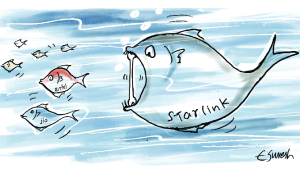
Centuries from now, historians may note how humans first separated animals into wild and domestic, and then subdivided the domestic into pet and stray—an evolutionary detour entirely of our own making. At the heart of this lies our selective application of two ideas: survival of the fittest and peaceful coexistence. As the dominant species, we expand as though it were our unquestionable right, encroaching on forests, fields, and coastlines. Yet we also reserve for ourselves the authority to decide when coexistence should be promoted and when compassion should be exercised. Too often, peaceful coexistence becomes a corrective tool, invoked only when our own comfort is threatened. This pattern repeats not just across species, but within humanity—between communities, nations, and ideologies. Even outer space is not spared.
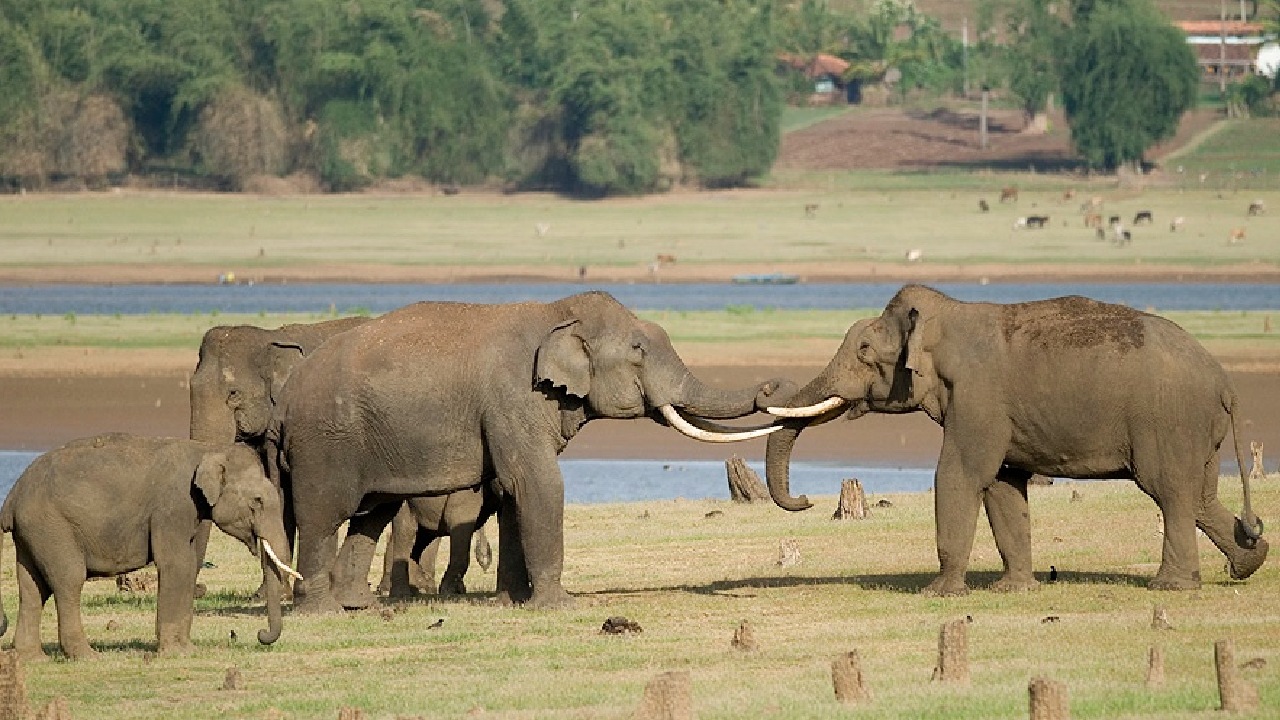
I sometimes wonder how things might have unfolded had dinosaurs, or some other prehistoric species, survived to become dominant. Would they have made room for humans? Animals do fight for territory, but usually for food, mates, and survival—not for ideology or excess. Watching wildlife today, one often sees different species sharing a water hole, birds cleaning parasites from a resting lion, and scavengers performing their quiet, essential role. Each contributes to a fragile balance that sustains the whole.That humans might need to relearn peaceful coexistence—or even collaboration—from the animal world is a humbling thought, and one well worth serious reflection.
The writer the founder of Kala, is an author, speaker, coach, arbitrator, and strategy consultant.; views are personal